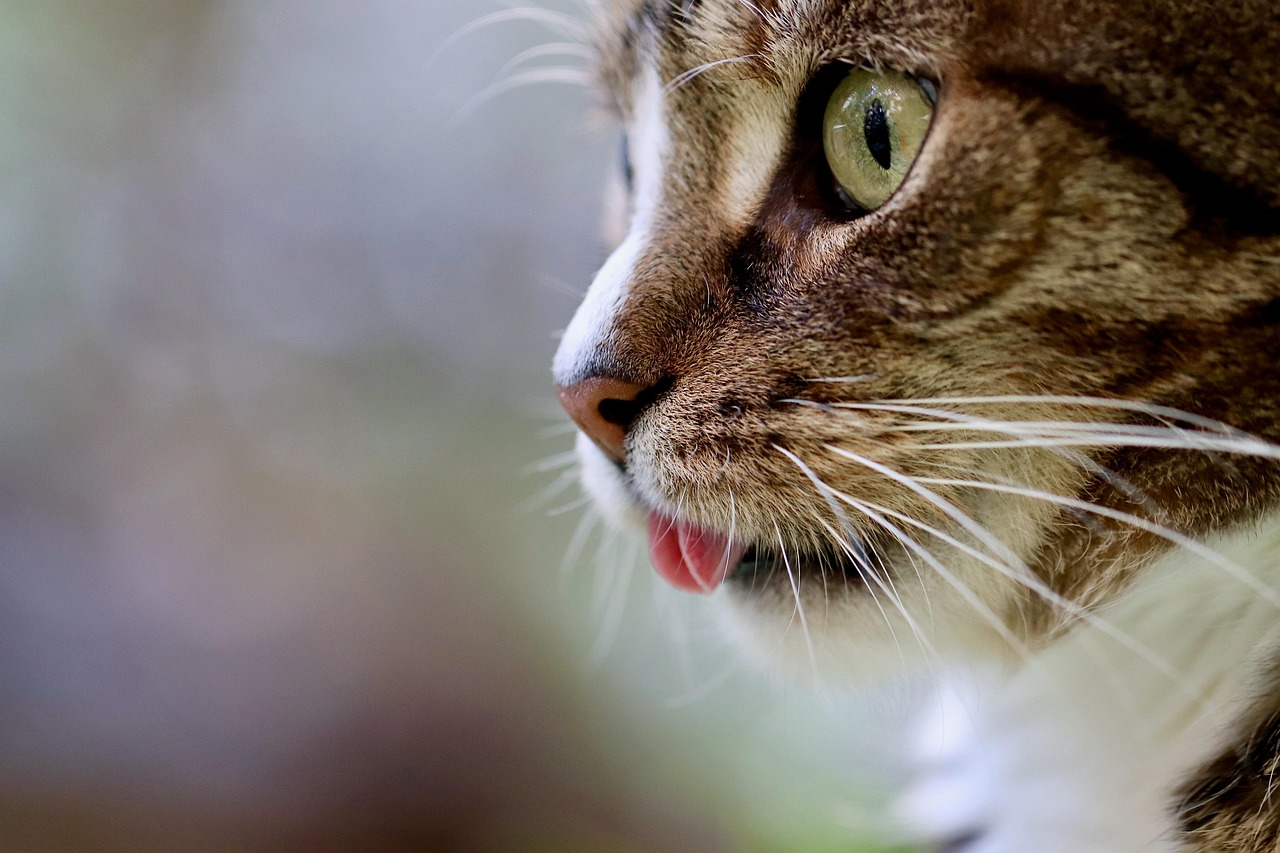

How Stress and Anxiety Lead to Destructive Chewing in Cats
Destructive chewing is a common behavioral problem among cats, which can often be linked to stress and anxiety. When your feline friend feels overwhelmed or insecure, it may resort to chewing on furniture, clothing, or even wires. Understanding the connection between a cat’s emotional state and its behavior is crucial for addressing these issues effectively. Environmental factors such as changes in surroundings, loud noises, or the introduction of new pets can trigger anxiety in cats. Consequently, stress-induced chewing becomes a way for them to cope with these feelings. By identifying the underlying causes of your cat’s anxiety, you can implement strategies to help mitigate stress levels. Ensure your cat has a safe, comfortable space to retreat to when feeling anxious. Additionally, enriching their environment with toys and interactive activities can help redirect chewing behavior toward more appropriate items. Regular play sessions can also help to alleviate anxiety by providing mental stimulation. If the chewing persists despite your efforts, consulting with a veterinarian may be necessary to explore further options and solutions. Creatively engaging with your cat can make a significant difference in their behavior.
It is essential to recognize that not all cats will behave the same way when faced with stress or anxiety. Some may resort to destructive chewing, while others might exhibit different behaviors such as aggression or excessive grooming. Each cat has its unique coping mechanisms, making it imperative to tailor your approach accordingly. Understanding your cat’s personality can provide insight into their behavioral responses. Dedicating time to observe their habits will help you to determine what triggers their stress. For example, some cats may chew on objects when left alone for long periods, signaling a need for companionship. By allowing interaction through toys or other engagement methods during these times, you can alleviate feelings of loneliness. In contrast, if the introduced stressor is related to other pets in the household, consider creating separate spaces for each cat to coexist peacefully. An enriched environment can often deter destructive behaviors by providing a variety of stimulation and engagement. Positive reinforcement, such as rewarding your cat for choosing appropriate toys over the furniture, can help reinforce good behavior and discourage chewing.
The emotional well-being of your cat plays a pivotal role in managing destructive chewing. Cats are creatures of habit, and any disruption can lead to increased anxiety. Consistency in their daily routine can provide a sense of security, reducing stress-related behaviors. Ensuring regular feeding times, exercise play, and interaction can create a more stable environment, promoting positive emotional health. If you notice changes in your cat’s behavior or increased chewing, consider environmental factors that may necessitate adjustments. This may include observing the timing related to changes at home, such as moving furniture or having visitors over. Additionally, grooming and bonding time can significantly help alleviate anxiety since cats often feel more secure when cared for appropriately. Using pheromone plugins can also help some stressed cats feel more relaxed within their environment. Always remember to be patient and understanding while addressing your cat’s behavioral problems. Creating a soothing atmosphere, perhaps with calming music or soft lighting, can aid in reducing anxiety. This might encourage your cat to choose appropriate chewing alternatives that are less destructive.
Ensuring your cat has plenty of physical and mental stimulation is crucial for preventing destructive chewing related to stress. Regular exercise not only keeps indoor cats healthy but also helps to reduce anxiety levels. Interactive toys or puzzle feeders can encourage activity and fulfill their natural instincts to explore and hunt. Introducing scratching posts and chew toys can provide channels for their natural behaviors, redirecting the urge to chew away from inappropriate items. Creating a stimulating environment is key; consider rotating toys to maintain your cat’s interest and prevent boredom. In addition to physical stimulation, mental engagement through puzzle toys or training sessions can provide focus for anxious cats. Socialization with attentive human interaction or even designated playdates with other pet-friendly cats can make a significant difference in their overall mood and behavior. Monitoring your cat’s interactions and providing adequate outlets for pent-up energy can prevent the transition of stress and anxiety into destructive chewing. Ensuring they have access to their needs within a safe space can more successfully mitigate anxiety-induced behavioral issues over time.
Cat owners can also look toward natural remedies and strategies to further combat destructive chewing. Consider techniques such as using calming sprays or collars infused with pheromones designed to reduce feline anxiety. Incorporating herbal solutions like valerian root or catnip can also promote relaxation for some cats. Allowing these calming products to be a part of your cat’s environment could yield positive results. Furthermore, providing a variety of textures for your cat to explore can deter them from chewing on household items. You can incorporate soft, chewable toys that are safe and promote healthy chewing habits, giving them alternatives that satisfy their instinct without being detrimental to your home. Minimal interaction during their anxious moments can also signal to your cat that their behavior is normal while still encouraging their exploration of proper toys. Nevertheless, if concerns about anxiety persist, seeking veterinary advice or working with a pet behaviorist can be invaluable. Addressing stress and anxiety effectively plays a central role in resolving chewing behavior while prioritizing your cat’s overall health.
Finally, understanding destructive chewing requires proactive engagement from pet owners who wish to foster a balanced environment for their cats. Maintaining communication with a veterinarian can also enhance your efforts to identify stress triggers while leading to overall behavioral improvement. A thorough examination can reveal physical health issues correlating with behavior changes, as pain or discomfort can lead to increased anxiety. Regular check-ups remain essential for monitoring your cat’s health and any related behavioral issues. Consider enlisting the help of behaviorists who specialize in cats for a structured plan tailored to mitigate stress-related behaviors. Their insights could provide indispensable information that helps you understand your cat’s mental state better as well. Increasing your knowledge about feline behavior, through reading or workshops, can empower you as a pet parent. Henceforth, building a positive relationship based on trust and understanding will create a safe space for your cat. A stable and nurturing environment can lead to healthier emotions and consequently, far fewer incidents of destructive chewing. Show your compassion and commitment through consistent care.
Addressing destructive chewing driven by anxiety and stress is both a challenge and an opportunity for cat owners to enhance their bond with their pets. By applying the practices discussed above, owners can help cultivate a nurturing environment that strengthens their relationships with their cats. Remember to be observant, patient, and proactive about their welfare. Implement gradual changes, instead of overwhelming your cat, ensuring that they adapt with ease. Building trust takes time, but through commitment, you can help minimize their stress. While some chewing behavior may still occur, understanding cats’ underlying emotional conditions can lead to significantly improved outcomes. The goal is to foster a happy, relaxed, and secure environment that supports your cat’s mental and physical health. Ultimately, it is through collaboration between cat and owner that healthier behaviors emerge. Explore resources available in your community, including local shelters, for activities that promote pet engagement and well-being. Consistency, dedication, and love will undoubtedly create a positive atmosphere for both owners and their cherished feline companions as they embark on this journey toward a lifestyle without destructive chewing.