
Best Practices for Recording Your Cat’s Exercise Progress
Tracking your cat’s activity levels is crucial for ensuring their health and happiness. Cats are naturally playful, yet their exercise can be overlooked, leading to obesity and behavioral issues. Recording their activity allows you to identify patterns and see what engages your feline friend the most. Start with simple methods like using a notebook or a digital method such as mobile apps designed for pet activity tracking. These methods provide insight into their daily behavior. It is essential to log their active periods and types of play. This includes running, jumping, and exploring their environment. Additionally, consistency is key. Make it part of your daily routine, and don’t forget to adjust as needed. For example, if your cat tends to be more active in the evening, note this in your records. You can also photograph their activities to compare energy levels over time. In essence, establish a routine, use the right tools, and prioritize your cat’s physical engagement. Regular tracking will not only keep your cat healthier but will also enhance your bond through shared playtime experiences.
One effective way to monitor your cat’s exercise is by utilizing technology. There are various apps designed specifically for tracking pet activity. Look for features like daily summaries, historical data, and tips for improving your cat’s exercise routines. For example, some apps offer gamification elements, encouraging your feline to play more. These features can motivate both you and your pet to work towards fitness goals. Additionally, consider using devices like fitness trackers for pets. Such gadgets can provide detailed insights into your cat’s movements, including location tracking if necessary. They are typically lightweight and designed for comfort. This tech-savvy approach provides accuracy compared to manual tracking methods. However, the data collected also depends on consistent usage. So, choose a method you’re comfortable with and make it part of your routine. By merging traditional and modern methods, you can develop a comprehensive understanding of your cat’s activity levels. Ultimately, technology can enhance traditional tracking methods, making it easier to ensure your cat stays active and healthier.
Creating a Record-Keeping System
Your record-keeping system is vital in managing your cat’s exercise. Start by defining clear categories based on activities. For example, categorize them into types: indoor play, outdoor exploration, and social interactions. Each category can then be detailed with subcategories, such as playtime duration and types of toys used. Keep a consistent format for easy comparison and analysis over time. Ensure you also include notes on your cat’s behavior during and after these activities. Did they seem engaged, bored, or excited? This feedback will help you refine your tracking strategy as needed. If you notice a particular activity your cat loves, consider incorporating it into your daily routine more regularly. Furthermore, using visuals like charts will make tracking more intuitive and encourage you to stick with it. Incorporating these practices will not only foster a fun experience for your cat but will also allow you to observe long-term trends in activity levels. Overall, a structured record-keeping system reinforces accountability and promotes healthier choices.
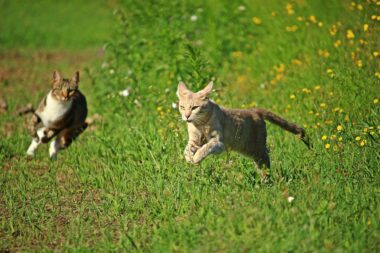
Another key practice is to involve playtime that aligns with your cat’s natural instincts. Cats are hunters at heart, and play activities that mimic hunting behavior are ideal. Use toys that stimulate this instinct, such as feather wands and laser pointers. These toys encourage your cat to leap, chase, and pounce, providing a comprehensive workout. Track how long these sessions last and how often you use different toys to gauge which engages your cat. Be mindful of their energy levels; some cats may require longer or shorter play sessions. Recording this data will help you optimize playtimes, ensuring your cat gets varied and adequate exercise throughout the week. Make sure to schedule playtimes to encourage consistency in your cat’s routine. By keeping an eye on which activities they enjoy most, you can adjust your routine accordingly. Incorporating play sessions that mimic their natural behaviors creates mental stimulation as well, enhancing your pet’s overall well-being.
Evaluating Activity Over Time
As you gather data on your cat’s activity levels, it’s essential to evaluate them regularly to identify trends and areas for improvement. Set a consistent review schedule, perhaps at the end of each month. During these evaluations, assess their progress. Are they becoming more active, or do they seem less engaged? Look for any signs of excessive lethargy or weight gain, as these could indicate health issues. Also, review your recording formats and ensure they remain user-friendly. As time progresses, you might find patterns emerging regarding preferred activities. Share your findings with your veterinarian for professional insights based on your records. They can provide tailored advice, ensuring you align exercise routines with your cat’s wellbeing. Regular evaluations also act as a motivational boost for you and your cat, as seeing positive trends reinforces healthy habits.
Engaging in activities that require mental stimulation alongside physical exercise is another best practice. Consider incorporating puzzle toys and treat dispensers that challenge your cat while also encouraging movement. These tools not only promote exercise but enhance cognitive function, leading to a more balanced lifestyle for your cat. Record how frequently you incorporate these toys into playtime. Referring back to previous logs can help create a more engaging environment for your cat. Rotate different types of puzzles and challenges to prevent boredom and maintain interest. Tracking your cat’s response to various toys will assist in fine-tuning their engagement levels. It’s essential to note that variety can lead to a more rounded exercise experience. Overall, finding the right balance between mental and physical activities will make exercise more enjoyable for your pet, and recording their responses helps you make informed decisions.
Conclusion and Long-Term Benefits
In conclusion, recording your cat’s exercise progress offers numerous long-term benefits that contribute to better health and overall wellbeing. By establishing a regular tracking system, you not only ensure that your pet remains active but also enhance your own accountability as a pet owner. Consistent exercise can reduce the risk of health issues like obesity and heart disease, making your cat happier and improving their quality of life. Additionally, logging activities fosters a stronger bond between you and your feline friend as you engage in shared play and exploration. Regular evaluations promote ongoing adjustments, ensuring your cat’s needs are met. Finally, utilizing technology paired with traditional methods provides a comprehensive approach to tracking. Adopting these best practices will leave lasting positive impacts on your cat’s health and happiness for years to come. Take the first step today by implementing these strategies, and witness the transformation in your furry companion’s activity levels.