
Top Veterinary Networks Partnering with Cat Insurance Companies
Cat insurance has emerged as a crucial safety net for pet owners, ensuring veterinary care is financially managed. Major veterinary networks are increasingly collaborating with insurance providers to create comprehensive policies that benefit both pets and their owners. These partnerships facilitate smooth claims processes, making it easier for cat guardians to access quality veterinary services without the burden of unexpected costs. One notable partnership is between Petplan and various veterinary clinics nationally, leveraging technology to allow seamless claim submissions right at the point of service. This helps minimize stress and facilitates better patient outcomes. As a result, more cat owners are opting for insurance, knowing that they will receive adequate support when their furry friends need it most. Furthermore, many veterinary practices are implementing training regarding insurance products to better inform clients about coverage options available. Overall, these partnerships are benefitting both cat owners looking for peace of mind and veterinarians, who can concentrate on providing outstanding care without financial concerns overshadowing treatment decisions. Cat insurance companies work closely with vets to ensure packages suit various needs and budgets, making veterinary care accessible to a broader audience.
As the popularity of cat insurance rises, it becomes vital to understand the different veterinary networks involved in these partnerships. Some networks specialize in integrative medicine for cats, emphasizing holistic approaches alongside traditional veterinary care. For instance, the American Association of Feline Practitioners (AAFP) promotes a network of veterinarians who are well-versed in feline-specific care. Such connections enable insurance companies to tailor policies that cater directly to the unique needs of cats, such as coverage for chronic conditions. Additionally, partnerships foster educational initiatives to keep veterinarians updated on emerging trends and treatment options in feline health. Knowledge sharing among experts helps insurance companies refine their offerings based on real-world experiences from clinicians. Moreover, some networks collaborate on research about the effectiveness of different treatments, ultimately impacting policy inclusions and exclusions. This ensures that the information fed to pet owners is not only up-to-date but also realistic concerning feline health demands. Additionally, insurers increasingly offer preventative care coverage, allowing for regular check-ups and vaccinations, emphasizing the importance of feline wellness rather than merely reactive treatment policies.
The Role of Technology in Veterinary Insurance Partnerships
Technology plays a pivotal role in enhancing the relationship between veterinary practices and cat insurance firms. With the advent of telemedicine, more vets provide consultations and follow-ups digitally, creating convenience for families. Many insurance companies offer apps or online platforms for pet owners to manage their policies, track claims, and book appointments directly with vets. This digital transformation simplifies the process for cat guardians, enabling quicker access to needed services. Furthermore, data analytics empower insurers to understand trends in pet health better. This understanding aids in developing policies that cover prevalent health issues in cats based on geographical locations and breeds. Insurance companies can predict treatment costs and adjust premiums accordingly, thus providing affordability for clients. Additionally, innovations like microchip technology allow easier identification of lost pets, which can result in reduced costs of recovery, translating to savings in insurance claims. These advancements underscore that technology isn’t merely about pet care; it directly impacts financial aspects, enabling owners to make informed decisions about their cat’s health and well-being.
Another significant aspect of these veterinary networks and insurance company partnerships is their focus on preventative care. This proactive approach emphasizes routine check-ups, vaccinations, and early diagnostic tests to ensure cats remain healthy throughout their lives. Insurers are beginning to recognize the value in offering coverage that includes these services, as they reduce overall healthcare costs in the long run. Networks of leading veterinary clinics often partner with insurers to create customized programs aimed at educating cat owners on the importance of regular preventive care. By promoting a culture of proactive health management, these initiatives aim to prevent serious illnesses that could otherwise lead to higher treatment expenses. Moreover, partnerships often lead to promotional campaigns, providing incentives for pet owners to enroll in insurance plans that prioritize preventative care. These programs not only benefit the cats through enhanced health monitoring but also create financial advantages for owners who maintain their pet’s health proactively. Over time, comprehensive preventative care allows cats to lead healthier, longer lives, and owners gain peace of mind knowing their cats are well-cared.
Success Stories from Veterinary Partnerships
Success stories abound that illustrate the tangible benefits of veterinary partnerships with cat insurance companies. One notable example involves a network of feline-exclusive clinics that joined forces with an insurance provider to create a seamless process for their clients. The initiative led to a drastic decrease in claim processing times, helping cat owners receive reimbursements faster. Veterinarians within this network reported significant improvements in the trust and satisfaction levels of their clients. The collaboration resulted in educational seminars where pet owners learned about their insurance options and how to maximize their benefits. Clients experienced fewer claims rejections thanks to improved communication between the insurers and veterinary practitioners. These clinics also benefited from gaining new clients who were previously hesitant to pursue insurance due to worries about claims complexity. Evidence from these success stories underscores the importance of cohesive partnerships, as they not only enhance individual practice growth but also foster healthier cat populations. By aligning goals and values, both veterinarians and insurance companies can better serve the pet-owner community and elevate the standard of care for cats.
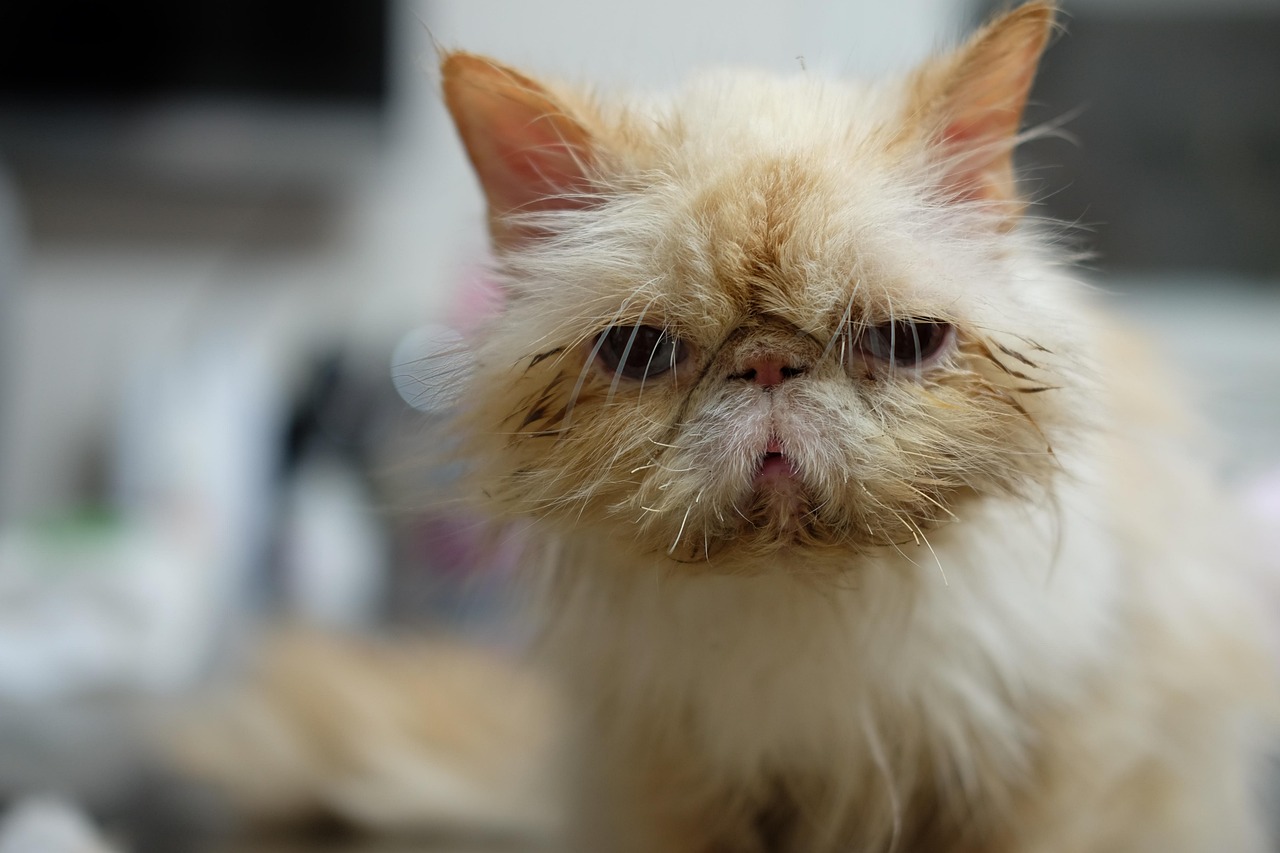
In addition to partnerships focused on efficiency, many veterinary networks collaborate with insurance firms to develop unique products tailored for feline health. These specialized products often address specific needs, such as coverage for hereditary conditions common in certain breeds. As a result, unique health issues often seen in Persian or Siamese cats can be better managed through customized insurance plans. Teams of veterinarians lend their expertise to help insurance providers create a well-rounded approach that incorporates breed-specific risks into their policies. Such collaboration is beneficial not only for pet owners but also for the insurance companies, as they can confidently market their tailor-made plans. Moreover, these partnerships can offer educational resources that inform pet owners about breed-related health concerns. By raising awareness, both vets and insurers can empower cat owners to take an active role in their pet’s health care journey. From preventive screenings to specialized treatments, tailored insurance often provides extensive benefits that result in more positive health outcomes. This collaborative model sets a precedent for future endeavors in pet insurance, establishing an industry standard that places feline health at its core.
Future Trends in Cat Insurance and Veterinary Collaboration
As we look toward the future, the collaboration between cat insurance companies and veterinary networks is anticipated to evolve continuously. Emerging trends suggest an increase in personalized insurance offerings reflecting individual cat needs. As data becomes more accessible, companies can gain insights into specific health patterns and risks associated with particular breeds or regions. This tailoring of policies based on concrete data enhances the relationship between pet owners, their veterinarians, and insurers. Additionally, the expected rise in telehealth and virtual consultations will facilitate an even greater connection between cats, vets, and insurance providers. Owners may rely more on virtual advice for non-emergency issues, reserving in-person visits for serious cases. Insurers may start developing packages that encourage preventive care through technology, such as discounts for using telemedicine services. Furthermore, sustainability is a growing concern, leading to more companies considering eco-friendly practices within their operations. This could extend to the types of treatments covered or partnerships established with environmentally-aware veterinary clinics. Overall, the intertwined futures of cat insurance and veterinary networks promise to deliver enhanced care options, along with innovative policy structures for the benefit of feline companions.
In conclusion, the growing collaboration between cat insurance companies and veterinary networks has the potential to revolutionize how pet care and insurance coexist. Both sectors recognize the importance of proactive pet health care and the necessity of making insurance accessible to cat owners. By working together, they can create specialized policies that align with the unique needs of felines, thus ensuring their welfare while also supporting owner peace of mind. These partnerships pave the way toward innovative practices in the pet industry, including preventive care options and integrated services that assist doctors and their clients alike. The vital role of technology, success stories from current partnerships, and the ongoing emphasis on breed-specific health needs exemplify promising trends that point to a brighter future. Moving forward, cat insurance providers and veterinary clinics must continue to collaborate, refine their offerings, and adapt to the changing landscape. As trust builds between all parties involved, a holistic approach to veterinary care and insurance develops, ensuring that cats receive the highest quality care. This is a future where both cats and their owners will thrive.