
The Role of Body Language in Hands Off Command Training
When training dogs, the Hands Off command is crucial for teaching dogs not to touch items that could be dangerous or inappropriate. Mastering this command requires not only verbal cues but also effective body language. Dogs are naturally observant and can easily read our physical gestures. To convey your message clearly, maintain an upright posture and avoid sudden movements, which might confuse your dog. It’s essential to use a calm but assertive tone while demonstrating the command. Combining relaxed hand signals with a confident demeanor reinforces your authority in the training session. As you practice, remember to reward your dog for good behavior and compliance, so they associate the command with positive outcomes. Consistency in your movements reflects strength and clarity in your command. In addition, maintain eye contact with your dog while giving the command to enhance communication. This connection builds trust and understanding, critical elements in a dog’s learning process. Ultimately, ensuring that your body language aligns with your verbal instruction is vital for effectively training the Hands Off command.
Another significant aspect of training your dog is shaping their behavior through reward systems. When using the Hands Off command, timing is essential. Use treats and verbal praise immediately following the desired behavior. This reinforces what they did right. A dog’s body language provides significant feedback during training sessions. Pay attention to how your dog reacts to your commands and adjust your approach accordingly. For example, if your dog appears anxious or distracted, you might need to reevaluate your commands and gestures. Make sure to create a safe and calm training environment. Minimize distractions from noise or other pets to foster better focus and understanding. Start training in a familiar setting before venturing into more challenging areas where distractions are plentiful. Progress to various environments as your dog becomes more adept at responding to the command. Gradually introducing new locations builds confidence and reinforces the command, ensuring the learning transfers outside. Use each successful training instance to strengthen your bond and enhance your dog’s obedience and trust, essential elements for effective communication.
Understanding Dog Behavior and Responses
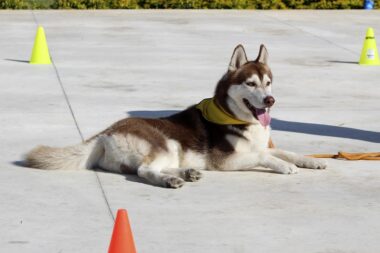
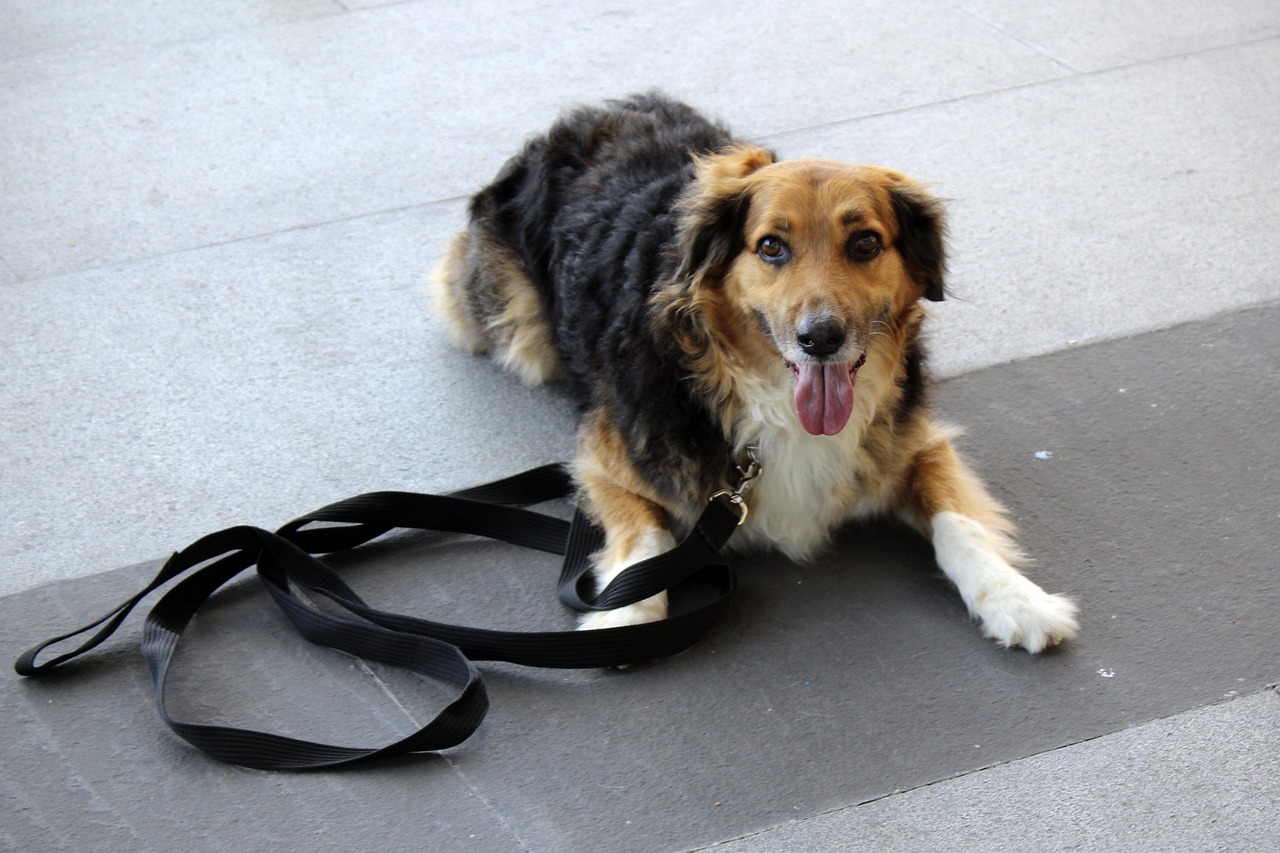
To effectively communicate the Hands Off command, it’s vital to understand your dog’s behavior. Dogs display specific body signals that indicate their emotional state. Identifying these signals allows for better adjustments during training. For instance, if your dog displays a relaxed posture, wagging tail, and open mouth, they are usually comfortable with the training. Conversely, signs of stress, such as tucked tails or lowered ears, indicate that your dog may not be ready for the command. Monitoring these aspects helps determine your dog’s mood and readiness to learn. Additionally, knowing your dog’s individual quirks can guide how you approach commands. Dogs thrive on routine, and any sudden changes in your actions can disrupt their learning process. Ensure that you remain consistent, especially with your physical cues. Utilize positive reinforcement for compliance, encouraging repeat behaviors, and gradually increasing the difficulty of tasks, promoting growth in their learning. Building a strong foundation of trust allows dogs to be more receptive and eager to learn. Likewise, your consistent body language aids in solidifying your messages amidst other distractions.
Training sessions should remain enjoyable and not overwhelming for your dog. Consider breaks during lengthy sessions to keep their focus sharp and enhance retention. Prolonged training with little respite can lead to fatigue, resulting in frustration for both you and your dog. Effective sessions often range between 10-15 minutes. Frequent repetition of commands helps solidify learning, fostering familiarity with the desired behavior. Remember, the goal is to keep the Hands Off command clear and straightforward. Diversifying your training approach can also offer your dog a fresh perspective on the command. For example, use different toys or environments in your training exercises to keep engagement high. Additionally, incorporating fun games can reinforce the command while maintaining a playful atmosphere. As dogs frequently associate positive experiences with specific activities, try to schedule short, frequent sessions instead of infrequent, longer ones. Giving them plenty of praise, encouragement, and rewards will boost their confidence, which, in turn, leads to better responses when practicing the Hands Off command in real-life situations.
Challenges in Using the Hands Off Command
Training may present challenges that require patience and adaptation. Dogs may not immediately respond to the Hands Off command due to distractions or their natural instincts. Remain positive and avoid frustration to create a supportive environment for learning. If your dog shows a lack of interest in specific items, do not force compliance; instead, redirect their focus with toys or treats. Gradual exposure and consistent commands can help reinforce the message over time. Understand that each dog learns at its own pace. Some may grasp commands quickly, while others require gentle encouragement and repetition before they respond effectively. Offering playful interactions can ease anxiety and maintain a positive energy surrounding the command. Always be ready to adjust your body language based on your dog’s reactions. For instance, if they seem disinterested in a playtime training session, alter the approach by using a more animated demeanor or enticing treats. Remember, constant evaluation and adaptation can significantly improve results in training sessions and ensure that the bond of trust and communication remains strong.
Consistency in practice is crucial for long-term success. Reinforcing the Hands Off command regularly enables dogs to retain their learning and apply it effectively in various scenarios. Integrate the command into daily routines by using it during feeding times or walk prompts, strengthening its importance. This reinforcement will help your dog understand its relevance in everyday circumstances. Also, practice can take place in various settings, from quiet spaces to busier environments. Establishing expectations can clarify your dog’s understanding of appropriate behaviors and commands. When practice occurs in diverse environments, your dog becomes more adept at discerning cues in different settings. Continue reinforcing positive behaviors while allowing for some freedom during playtime. This balance helps dogs manage impulses effectively while ensuring they remember the vital Hands Off command. Moreover, consistency in body language—such as keeping your posture open and relaxed—supports effective communication. Frequent training sessions not only instill essential commands but also build a very strong bond between you and your dog. This connection ultimately leads to better understanding and obedience, creating a fulfilling experience for both trainer and pet.
Conclusion of Effective Training
In conclusion, the Hands Off command is an essential element of dog training that hinges on mastering effective body language and communication. Understanding dog behavior can greatly enhance the effectiveness of commands and body cues. Observing how your dog reacts allows for needed adjustments, ensuring a positive learning atmosphere. Aim to create enjoyable training sessions that incorporate reward systems and frequent practice. Challenges will arise, but maintaining a patient attitude fosters learning and builds trust between you and your dog. Strive for consistency in your approach and remember to celebrate small victories during the training journey. Employing varied environments, ongoing reinforcement, and attentive body language will create a comprehensive learning experience for your dog. Dogs are incredibly intelligent animals capable of understanding complex behaviors when trained with care and attention. As you practice the Hands Off command, always consider the emotional needs of your pet and the learning environment. Ultimately, fostering a positive and communicative relationship will elevate your dog’s training experience, leading to positive obedience and interactions in everyday situations.
Incorporating the Hands Off command effectively promotes safety and appropriate behavior for your dog. Training is a journey that requires commitment and understanding of your pet’s unique personality and needs. By implementing the discussed strategies, you will foster a strong learning environment that benefits both the trainer and the dog, ensuring successful training experiences. Keep training fun and engaging, which pays off with steadfast obedience and joyful interactions.