
Essential Vitamins Your Dog Needs in Different Seasons
Just like humans, dogs also have varying nutritional needs throughout the year. During the spring, dogs may require extra vitamins to support their immune systems. One essential vitamin is Vitamin C. This vitamin is a powerful antioxidant that helps combat oxidative stress caused by seasonal allergens. Vitamin C also aids in collagen formation, promoting healthy skin and joints. Another important vitamin is Vitamin A, which supports vision and reproductive health. Natural sources such as pumpkin, carrots, and sweet potatoes can be excellent for boosting Vitamin A levels. Incorporating these foods into their diet can improve overall wellness. Furthermore, ensure your pets stay hydrated and consider using high-quality dog vitamin supplements that are free from artificial additives. These seasonal adjustments can lead to a more energetic and playful dog. Remember to consult with a veterinarian before introducing new supplements or changing your dog’s diet drastically. Proper nutrition in spring can set a positive tone for the rest of the year, impacting dog longevity and quality of life significantly. Regular vet check-ups will help you maintain the right balance of nutrients your dog requires for optimal health.
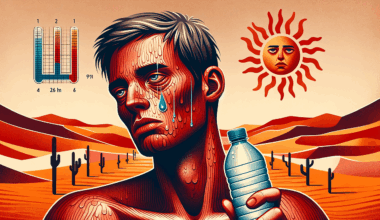
Summer introduces different challenges that might necessitate a change in your dog’s vitamin intake. One key nutrient is Vitamin D, essential for calcium absorption and bone health. Exposure to sunlight naturally helps dogs synthesize Vitamin D; thus, encouraging outdoor playtime can enhance this. Additionally, Omega-3 fatty acids, known for their anti-inflammatory properties, can help keep your dog cool and comfortable during the hot months, mitigating heat-induced discomfort. Foods rich in Omega-3s like salmon, flaxseeds, and chia seeds will benefit your dog significantly during summer. Water intake is crucial, and dogs may need to be encouraged to drink more than usual. Hydration plays a significant role in vitamin and nutrient absorption as well. Lastly, consider adding probiotics to support your dog’s gut health, which can suffer in heat. Probiotics can also enhance nutrient absorption, making them vital in summer months. Speak with your vet for tailored advice regarding summer vitamins and supplements that might suit your furry friend. The right mix of nutrients and hydration can deeply enhance your dog’s vitality and overall well-being during the season, fostering a more enjoyable summer experience.
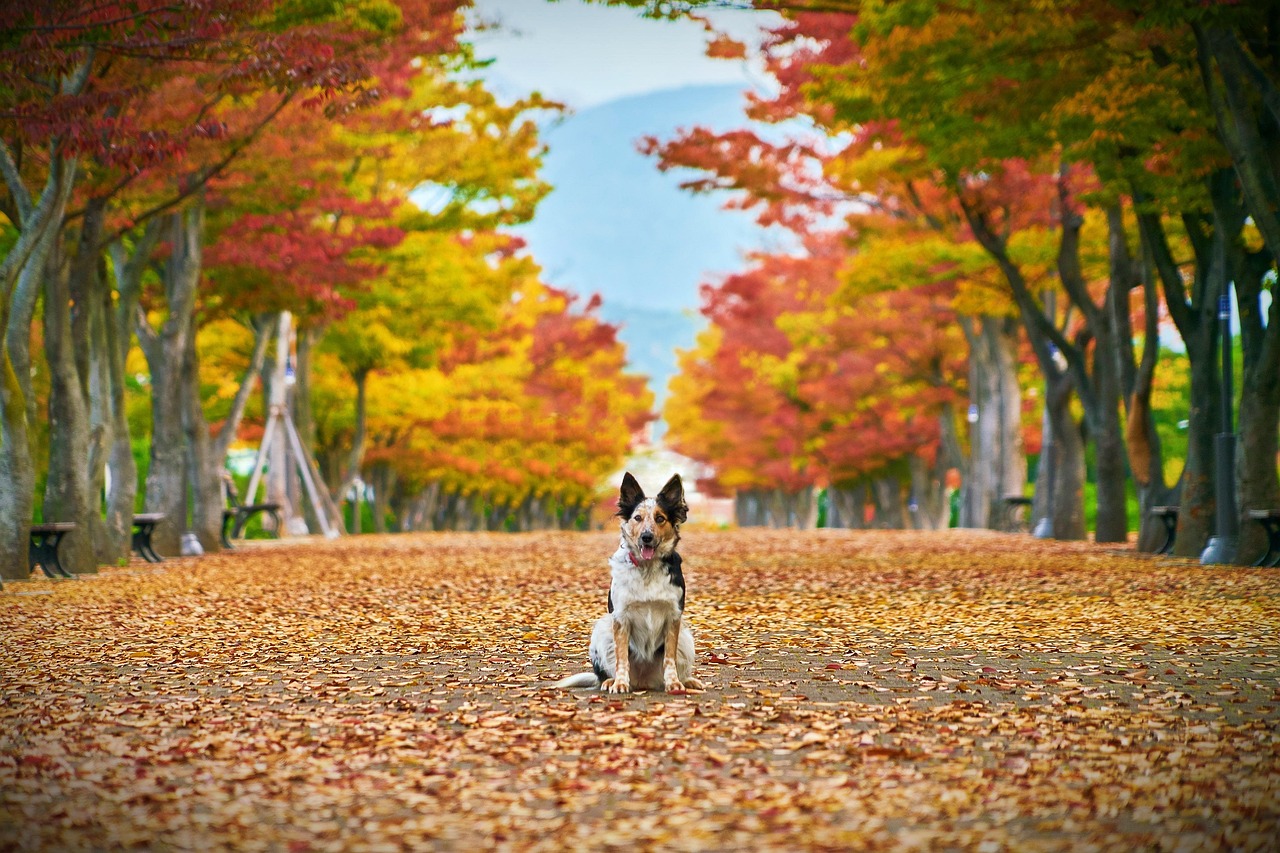
As summer transitions to fall, your dog’s vitamin needs may shift again. Fall is often accompanied by changes in weather and outdoor activities. During this season, it’s essential to emphasize vitamins that promote joint and skin health. Vitamin E, an antioxidant, plays a significant role in reducing inflammation, especially beneficial for older dogs. Including sources of Vitamin E such as spinach, sunflower seeds, and peanuts can enhance their health this season. Moreover, as the temperature drops, dogs may develop dry skin, necessitating additional fatty acids. Omega-6 fatty acids can help combat skin dryness and promote a healthy coat while keeping dogs comfortable during the cooler months. Ensure your dog also gets adequate exercise to combat the potential lethargy that fall brings. Regular movement, alongside proper vitamins, will keep them healthy and active. A blended approach incorporating diet changes, supplements, and physical activities geared towards their needs in this transitional phase is essential. Always monitor how your dog reacts to dietary changes as each dog is unique requiring tailored approaches to their vitamin intake for optimal health and resilience during fall.
Winter can be particularly tough due to cold weather, which often demands additional nutritional considerations. During winter, dogs might require more calories whether through food or supplements, making it essential to evaluate their vitamin intake. Vitamin B is crucial, as it helps maintain energy levels during colder months. Foods full of B vitamins, like chicken, liver, and whole grains, can provide the energy dogs need. Furthermore, Vitamin A’s role in immune function becomes more critical since the cold season brings about more sniffles and illnesses. Balance your dog’s dietary needs with a focus on ensuring they have enough vitamin D to help maintain their mood during dark winter days. Transitioning to more hearty meals can also provide significant warmth and nutrition. Selecting a dog food specifically designed for winter months might be a good idea. Also, consider joint supplements as cold weather can aggravate joint issues. Have regular check-ups with your vet to assess your dog’s winter health and make adjustments as necessary to keep them happy, healthy, and vibrant through the winter months.
Adapting to Seasonal Changes
Adapting your dog’s diet and vitamin intake to align with seasonal shifts is vital to maintaining their well-being. Each season brings forth unique environmental challenges; from allergies in spring to cold winters, the right vitamins support their unique needs. Dogs are sensitive to changes in weather and these can impact their immune responses as well as energy levels. By introducing seasonal vitamins, you can enhance their quality of life throughout the year. It’s essential to monitor any changes in behavior, coat condition, or energy, which can indicate nutrient deficiencies. Understanding the role of various vitamins helps you make informed decisions. For instance, increase outdoor activity in sunnier months combined with a diet rich in appropriate vitamins can lead to happier and more active dogs. Keeping an eye out for allergy signs in the transition from winter to spring can also help you make necessary dietary adjustments. Incorporating supplements should always be approached with care, ensuring they complement a balanced diet. A proactive approach to nutrition can save you veterinarian visits and ensure your furry partner remains as lively as they should be.
Seasonal vitamin needs can also be influenced by age, breed, and specific health conditions. Older dogs often benefit from joint support supplements during colder months, while active dogs might require additional caloric intake in summer. Always customize any supplement regimen based on your dog’s unique needs. Puppies, on the other hand, require a mix of vitamins that support growth and development year-round. Discussing with a veterinarian about establishing a suitable nutritional plan tailored to your dog’s seasonal requirements is crucial. They can provide targeted information regarding potential allergens and how to manage them during seasonal transitions. Furthermore, while commercial dog food offers many benefits, supplementation can fill nutrient gaps that specific life stages might create. Seasonal changes can affect vitamins’ bioavailability in regular diets, highlighting the need for a customized approach. Monitoring your dog’s dietary response to seasonal transitions will enable you to make necessary adjustments. Additionally, remember that some dogs might have unique dietary restrictions requiring even more specialized supplements to ensure their health is prioritized as seasons change.
As pet owners, understanding your dog’s seasonal vitamin needs is a commitment of care that pays off in their health and happiness. Recognize signals your dog may send indicating imbalances or discomfort, and adapt proactively. Inquire about the importance of certain vitamins with your veterinarian, particularly if your dog has special dietary needs. Regularly checking in with a vet tailored to your dog’s seasonal health can prevent complications linked to nutritional deficiencies. Furthermore, establishing a routine that includes healthy feeding schedules and activities can make a marked improvement in overall health. Seasonal activities like hiking in summer or cozy cuddle time during winter can reinforce your bond. Find time to assess your dog’s diet regularly, paying attention to their energy levels and overall behavior. Consider the potential advantages of holistic approaches, including incorporating herbal supplements as an adjunct to traditional vitamins. Ultimately, your dog’s seasonal vitamin requirements form an integral part of their overall health regimen. Remember, nourishing your dog with balanced vitamins is a key investment not just for today but for their future too.
Your dog’s health depends significantly on thoughtful nutrition that evolves with the changing seasons. Tailoring your dog’s diet throughout the seasons encourages longevity and a high quality of life. Consider compiling a food diary to track what works best concerning their health and energy levels during different weather conditions. Seasonal awareness not only enhances your understanding of their health but strengthens the bond between you and your furry partner. Remember, your involvement and attentiveness can yield a lively, happy pup that engages joyfully with the world around them. A well-nourished dog not only enjoys a vibrant life but also provides companionship, love, and joy. Stay engaged with new dietary research and vets to offer the best to your beloved dog, adopting a flexible approach as you adjust cater to their changing needs.