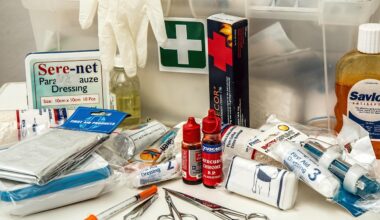

Emergency Treatment for Cats with Flea Allergy Dermatitis
Flea allergy dermatitis can significantly affect a cat’s health and happiness. This condition occurs when a cat has an adverse reaction to flea saliva. Although this allergy is common, its treatment is essential for ensuring the animal’s comfort. Emergency treatment often becomes necessary when symptoms intensify, leading to excessive scratching, biting, and skin infections. If you suspect your cat suffers from flea allergy dermatitis, immediate action can provide relief. It is crucial to first identify and eliminate the fleas present on your pet. Various options are available, including topical treatments and oral medications. Additionally, consult your veterinarian to determine the most effective treatment plan. They may recommend corticosteroids or antihistamines to alleviate inflammation and itchiness. It’s vital to also treat your home environment by vacuuming and using flea sprays. Regular cleaning can prevent fleas from re-cropping in your space, minimizing further infestations. Washing your cat’s bedding can also help control the flea population. By taking these steps promptly, you can help your feline friend feel comfortable again and manage flea allergy dermatitis effectively.
Once you identify that your cat has flea allergy dermatitis, the treatment process begins. First, ensure your cat is free from fleas using appropriate flea control products. These products may vary significantly, ranging from topical treatments to oral medications available through your veterinarian. It is critical to follow the prescribed treatment regimen accurately to achieve optimal results. In some cases, the veterinarian may prescribe corticosteroids to reduce the inflammation and itching. This can immediately improve your cat’s comfort levels. Monitor your cat closely for any adverse reactions to flea treatments. Additionally, observe any lingering symptoms that might require further consultation with your veterinarian. Skin infections caused by constant scratching may need antibiotic treatment. Follow-up appointments can be crucial to ensure the effectiveness of the treatment. Furthermore, don’t forget about your environment; use flea treatments on your carpeting and furniture as well to prevent re-infestation. Clearwater your home not just for a clean living space but also for your cat’s overall wellbeing. Regular grooming can also help reduce flea populations, enhancing your cat’s health and comfort.
Identifying Symptoms and Seeking Help
Symptoms of flea allergy dermatitis vary; thus, recognizing these signs early can significantly impact treatment. It becomes vital to watch for excessive scratching, biting, or licking, often concentrated around the cat’s neck, ears, and base of the tail. Additionally, patches of hair loss and red, inflamed skin can often be indicators. Secondary bacterial infections may develop due to constant irritation. If your cat displays these symptoms frequently, seeking veterinary assistance becomes imperative. Early treatment can prevent the worsening of your pet’s condition. Comprehensive diagnostic tests may be required to confirm flea allergy dermatitis as the root cause. Your veterinarian could also discuss potential alternatives to solely relying on flea treatments, including allergy testing. These tests can be beneficial in ruling out other possible allergens that may contribute to your cat’s discomfort. Please ensure to communicate openly with your veterinarian about any observations you’ve noted regarding your cat’s behavior or symptoms. This information can greatly assist in formulating an accurate diagnosis and effective treatment plan that addresses your cat’s specific needs.
Consider the emotional impact of flea allergy dermatitis on your cat. Chronic discomfort can lead to anxiety and behavioral changes, affecting their overall quality of life. Cats are sensitive creatures, and their emotional health should also be a priority while addressing physical ailments. Creating a comfortable environment can help ease your cat’s stress. Make sure to provide a safe space where they can retreat and feel secure. Regular gentle handling and affectionate treatment can also enhance their emotional well-being during this challenging period. Nutrition plays a fundamental role as well; a balanced diet supports skin health and boosts the immune system. Consulting with your veterinarian about dietary adjustments and supplements could be beneficial. Omega-3 fatty acids, for instance, may promote healthy skin and reduce inflammation. Proper hydration and a well-rounded diet will support your cat’s healing process. Alongside medical treatment, consider using calming pheromones to soothe your cat. There are numerous options available over the counter or through veterinary prescriptions. Implement emotional support practices in conjunction with medical treatments to ensure your cat’s complete recovery.
Preventing Future Infestations
Long-term prevention plays a critical role in managing flea allergy dermatitis in cats. Once your cat receives emergency treatment and stabilizes, it is essential to establish a preventive care plan. Utilizing vet-recommended flea preventatives regularly can significantly reduce the risk of future infestations. Options for flea control include collars, topical treatments, and monthly oral medications. Each option has its advantages, so discussing these with your veterinarian will guide you in making the best choice for your cat. Additionally, maintaining a consistent home cleaning routine can also decrease flea populations. Vacuum frequently and wash bedding regularly to eliminate any life stage of fleas. Treating your garden and yard as necessary can further reduce outdoor flea exposure. Cats spending more time outdoors can easily pick up fleas from their environment. Therefore, awareness and preventive measures are crucial. With diligence and commitment, many pet owners successfully keep fleas at bay, thus minimizing the risk of reoccurrence of flea allergy dermatitis. Emphasizing prevention ensures your feline companion remains flea-free and healthy.
Consulting your veterinarian should remain a priority if you notice any discrepancies in your cat’s wellbeing or deteriorating health. Regular consultations allow you to stay ahead of flea infestations and other possible issues. Your vet can help develop a personalized plan suited to your cat’s needs, considering its lifestyle and sensitivities. In addition, maintaining consistency in administering flea preventatives will provide comprehensive protection. Consider marking these dates on a calendar to stay on schedule and effectively manage the frequency of treatments. Consider incorporating flea treatments into your pet care routine, such as during bath time or grooming to limit stress. More frequent monitoring of your cat will also help catch discomfort early. Being proactive allows you to notice changes in behavior or symptoms indicative of flea allergy dermatitis. Regular health checks can greatly assist in maintaining awareness of your pet’s overall health. The bond between a pet owner and their cat is rewarding and built on love and responsibility. Paying close attention now helps secure a healthier future for your furry friend.
Conclusion
In summary, managing flea allergy dermatitis in cats involves a multi-faceted approach. Immediate treatments provide relief from uncomfortable symptoms, but addressing the root cause significantly enhances long-term welfare. By eliminating fleas through medical treatment and maintaining proper hygiene in your living space, you create a safer environment for your cat. Regular veterinary care and proactive prevention strategies ensure your pet remains healthy and happy. It’s important to recognize early symptoms of flea allergy dermatitis while acting quickly to find solutions. Being champion pet owners means we prioritize our cats’ physical and emotional wellbeing. Monitoring their behavior and identifying problems initially sets the stage for effective treatments. Combining medical care with unconditional love creates a healing atmosphere for our feline companions. Lastly, staying informed about new developments in flea management helps keep us on the cutting edge of pet care. Together, we can make informed decisions to protect our pets from the dangers of flea infestations. With diligence, most cat owners will successfully manage flea allergy dermatitis, ensuring their furry friends enjoy a comfortable, happy life.