
The Effect of Seasonal Changes on Cat Sleep Patterns
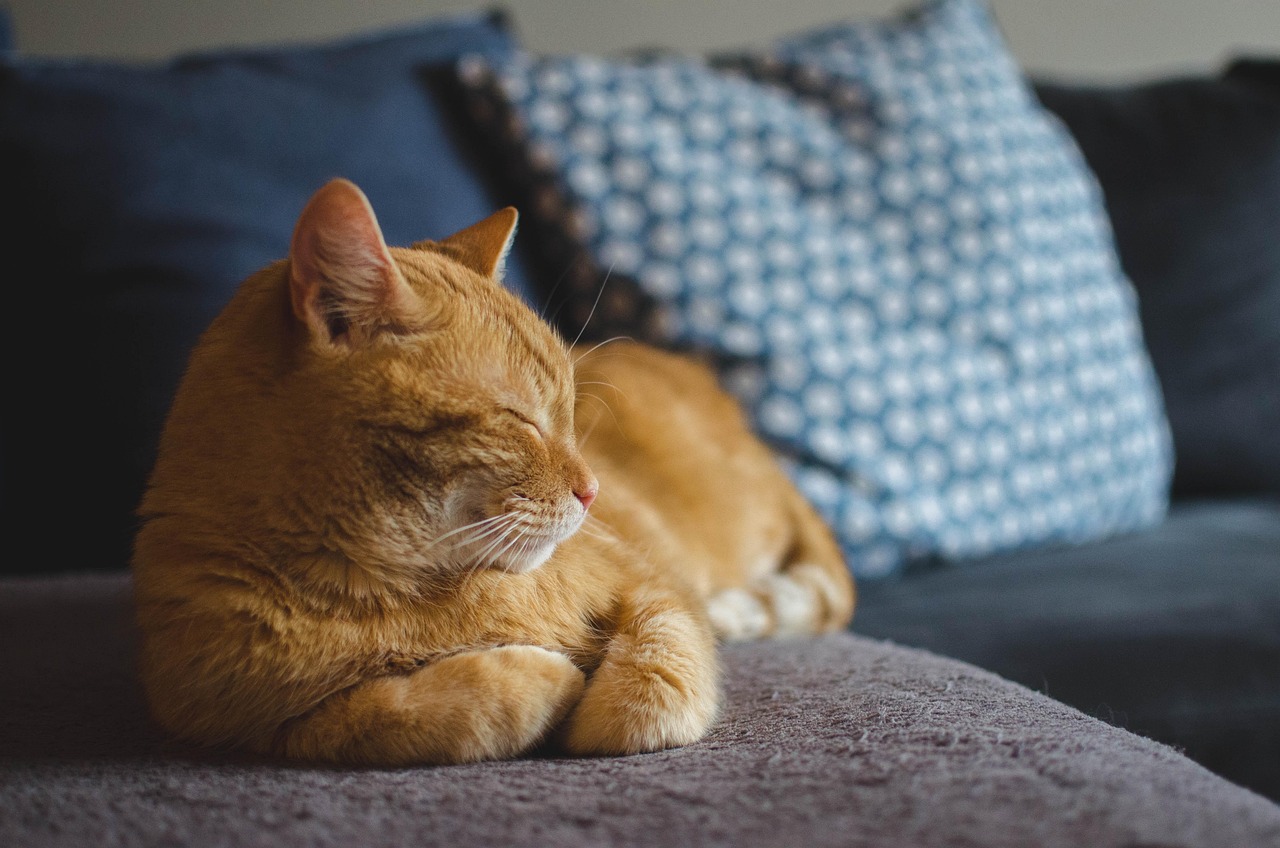
Understanding how seasonal changes impact cat sleep patterns can be fascinating. Notably, cats are crepuscular, primarily active during dawn and dusk. Seasonal shifts affect natural light availability, influencing energy levels and sleep habits. For instance, during winter months, reduced daylight may lead to increased sleep duration. As cats adapt, they could become more lethargic, sleeping throughout most of the day. This phenomenon is not just about light; external temperatures also play a crucial role. Cats may seek warmer, sunlit spots in colder months, impacting their traditional sleeping locations. Moreover, in summer, longer days and warmer weather can lead to more vigorous activity during the evening hours. Owners may notice their cats engaging in playful behavior more often at this time. With changing seasons, cats may also adjust their sleeping schedules, leading to interesting routines. It’s crucial to pay attention to how these changes manifest in individual behaviors. By recognizing these patterns, cat owners can provide appropriate environments, addressing their pet’s instinctual needs while ensuring overall well-being. Understanding feline sleep patterns offers insights into their health, aiding in creating optimal living conditions for our furry companions. Overall, the relationship between seasons and cat behavior is complex and engaging.
The sleep patterns of cats are influenced by various seasonal elements. For instance, melatonin production, which regulates sleep-wake cycles, is greatly affected by changing light levels. In summer months, increased natural light stimulates reduced melatonin production, leading to heightened activeness. Conversely, during winter, lower light levels can trigger an increase in melatonin, resulting in longer sleep durations. Additionally, temperature fluctuations also play a role in influencing feline behavior. Cats tend to spend more time sleeping when it is cold outside, seeking warmth and comfort in cozy spots. Seasonal changes also influence their environment, thus affecting cats’ sleeping habits. For example, flowering plants and increased insect activity during spring can stimulate a cat’s hunting instincts, likely resulting in more night activity as they engage in typical predatory behaviors. Interestingly, as cats adapt to varying light levels, they also demonstrate altered social interactions with their human family members. Understanding these shifts can help cat owners adjust routines. Furthermore, veterinary advice can assist in accommodating these behaviors with diet or sleeping arrangements for optimal comfort and health. By monitoring these changes attentively, fostering a harmonious relationship between pets and owners is achievable.
Seasonal Behavior Changes
As seasons change, so do the behavioral tendencies of our feline friends. Cats may show increased signs of restlessness or aggression during specific months. This tendency can be attributed to various environmental factors. Brighter days in spring can stimulate more active behaviors, resulting in a desire to explore outdoors. In contrast, colder winter months might induce sleepiness and a preference for indoor cuddling. Moreover, changes in routines due to holidays can also create stress for some pets, affecting their sleep cycles. It is important to observe your cat’s reactions. These observations might provide insight into how they’re adjusting to seasonal changes. Some cats may require more mental stimulation and playtime to channel their energy during heightened activity periods. This can involve dedicated play sessions or engaging toys to keep them occupied. Seasonal decorations and changes in household routines may also contribute to a sense of unpredictability for the cat, prompting behavioral shifts. Keeping a consistent schedule can help alleviate potential unrest. Thus, owners can turn ordinary seasonal changes into enriching experiences, ultimately aiding in fostering a relaxed and fulfilling environment. With patience and awareness, we can help navigate our fuzzy companions through yearly transitions.
To ensure that your cat adapts healthily to seasonal changes, establishing a routine is advantageous. Consistent feeding times and regular play periods can help ground your feline friend regardless of environmental fluctuations. Maintaining a familiar pattern offers a sense of security for your cat, minimizing anxiety related to unpredictability. Additionally, providing cozy resting spots near windows where natural light pours in can enrich their resting experience. In the colder months, ensuring that your cat has access to warm blankets or heated pads can promote comfort while they sleep. Adding enrichment activities that reflect the seasons may keep your cat engaged. For example, during spring, introducing new toys or rotations of older ones can stimulate their interest, reducing the tendency to sleep excessively. Furthermore, providing vertical spaces like cat trees can encourage climbing, especially during warmer months. This promotes activity while allowing access to perches for sunbathing. Similarly, during colder months, creating safe, warm nooks encourages snuggly and comforting spaces. This way, seasonal adjustments become a means to improve quality of life, aiding physical health through exercise, fostering mental engagement, and ensuring overall happiness. It’s essential to be proactive and attentive to cater to your cat’s changing needs throughout the year.
Health Considerations
Sometimes, seasonal changes can signal potential health issues in cats, particularly if sleep patterns drastically shift. It’s crucial for owners to monitor these changes closely for any signs of distress or illness. If a cat exhibits excessive lethargy or hyperactivity beyond normal seasonal behavior, it may require a veterinary assessment. Understanding the difference between normal seasonal adaptation versus potential health concerns can ensure timely intervention if needed. Certain conditions, such as hyperthyroidism, can manifest through altered energy levels and sleep patterns. Regular veterinary check-ups become essential, especially as cats age, to rule out underlying health issues. Nutrition can also play a role in energy levels; thus, ensuring a balanced diet is important for maintaining optimal health and energy. Additionally, environmental stressors, such as changes in living arrangements or the introduction of new pets, can disrupt sleep patterns. Owners should remain vigilant and address these changes to reduce anxiety. Providing a safe space with minimal disruptions can alleviate stress-induced behaviors. Ultimately, keeping a watchful eye on these patterns helps uphold a healthy bond between pet and owner. By prioritizing health and wellness, feline friends can enjoy comfort and happiness, no matter the season.
Seasonal changes not only influence cats’ behaviors but also signify the importance of understanding their individual personalities. Every cat is unique and may respond differently to seasonal fluctuations. Personality traits like playfulness or introversion can amplify how they react to seasonal changes. Some might thrive on the increased activity level during summer, engaging more with family members or showing curiosity about the outdoor world. Conversely, more reserved cats might prefer nesting and seeking quiet, secure environments when the weather becomes harsher. Understanding these personality traits enables owners to tailor their approach. Creating an enriching environment incorporates seasonal changes, introducing new toys or puzzles, which keeps them mentally stimulated. Moreover, involving your cat in daily activities like training or grooming can strengthen bonds and enhance psychological well-being. This individualized attention allows owners to connect better with their pets’ needs, especially during transitions. As the seasons change and bring new experiences, recognizing individual preferences leads to a happier cat. Fostering an environment that celebrates personality traits can transform seasonal changes into opportunities for joy, connection, and mutual enjoyment. Observing and adapting promotes a longer, more fulfilling companionship between pet and owner.
Conclusion
In conclusion, understanding the effect of seasonal changes on cat sleep patterns is crucial for any cat owner. As seasons come and go, cats exhibit different behaviors that can provide insight into their overall well-being. Being proactive and adapting living conditions to suit their needs is essential. By observing their behavior closely, cat owners can create environments catering to their feline companions’ instincts and preferences. Emphasizing warmth and comfort in colder months while stimulating mental and physical activity during warmer months can lead to a happier cat. Awareness of health considerations and adjustments in care routines also plays a vital role. Regular veterinary check-ups ensure that any alarming changes in sleep patterns are addressed properly without delay. Furthermore, every cat possesses unique personality traits that influence their behavior during different seasons. Understanding and embracing these traits allows owners to foster a deeper bond with their pets. In summary, by attentively catering to these seasonal shifts, cat owners can enhance their pets’ experiences and well-being throughout the year, creating a nurturing environment filled with love and care. This ultimately promotes longer, healthier, and happier lives for our cherished feline friends.
In conclusion, understanding the effect of seasonal changes on cat sleep patterns is crucial for any cat owner. As seasons come and go, cats exhibit different behaviors that can provide insight into their overall well-being. Being proactive and adapting living conditions to suit their needs is essential. By observing their behavior closely, cat owners can create environments catering to their feline companions’ instincts and preferences. Emphasizing warmth and comfort in colder months while stimulating mental and physical activity during warmer months can lead to a happier cat. Awareness of health considerations and adjustments in care routines also plays a vital role. Regular veterinary check-ups ensure that any alarming changes in sleep patterns are addressed properly without delay. Furthermore, every cat possesses unique personality traits that influence their behavior during different seasons. Understanding and embracing these traits allows owners to foster a deeper bond with their pets. In summary, by attentively catering to these seasonal shifts, cat owners can enhance their pets’ experiences and well-being throughout the year, creating a nurturing environment filled with love and care. This ultimately promotes longer, healthier, and happier lives for our cherished feline friends.