
Understanding Breeds in Agility Training
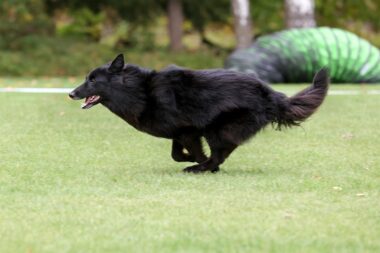
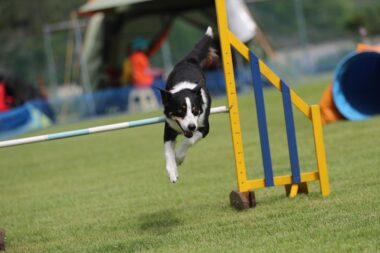
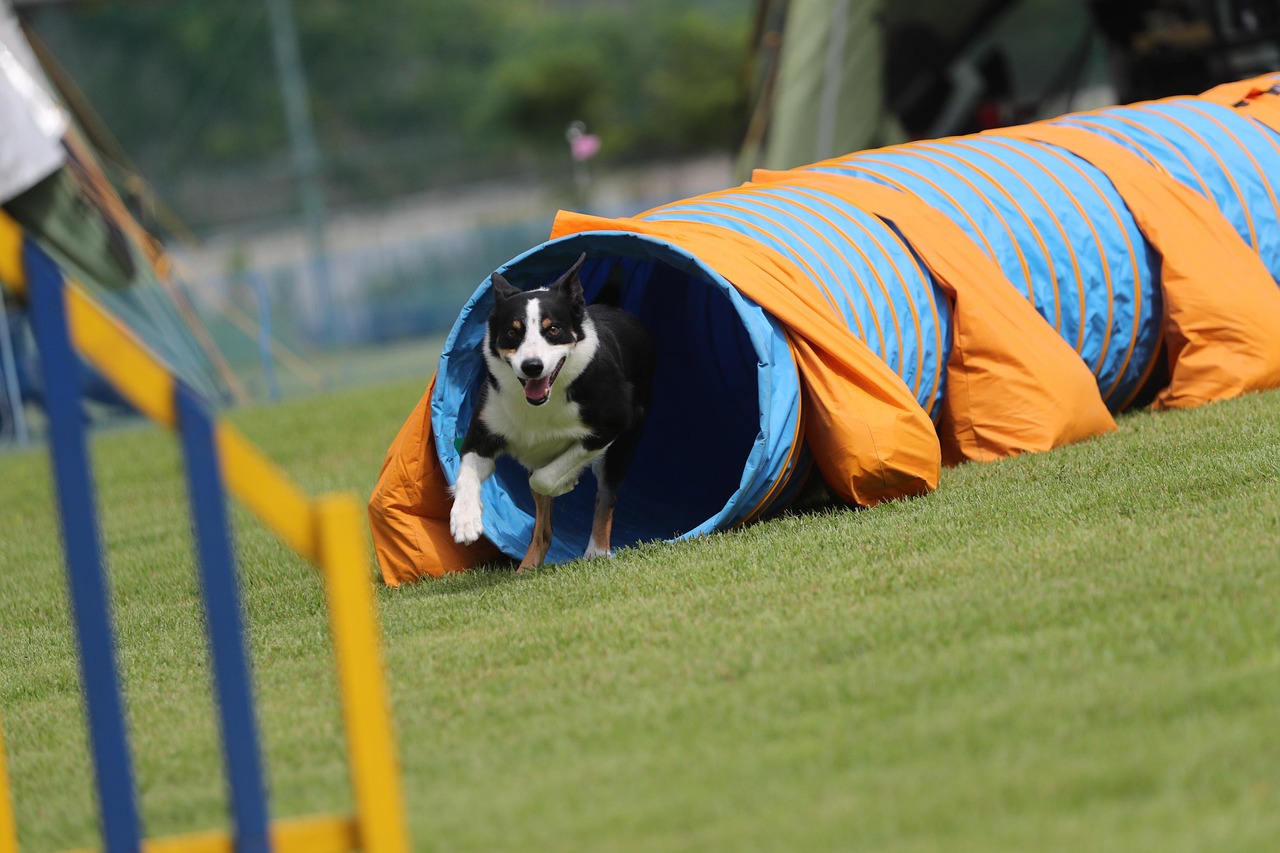
When embarking on agility training, it’s crucial to recognize the unique characteristics of various dog breeds. For example, breeds like Border Collies and Belgian Malinois are renowned for their agility, energy, and intelligence. Training these breeds can be highly rewarding as they are naturally inclined to excel in agility activities. However, they require consistent training and mental stimulation. Conversely, breeds such as Bulldogs and Basset Hounds may not possess the same agility but can still participate in training with the right approach. Their training should focus on building their confidence and physical abilities at a pace that accommodates their physical limitations. It’s essential to tailor training methods to individual breed traits to ensure a positive experience. You can utilize training tools like tunnels, jumps, and weave poles to enhance their skills. Additionally, incorporating fun activities into training sessions keeps the dogs engaged and motivated. Always remember to reward them for their achievements to boost their confidence. Socializing these breeds with other dogs during training is also beneficial, offering exposure to various agility settings and improving their competitiveness in trials.
Before starting agility training, setting realistic goals is critical to ensure the training is effective and manageable. Each dog has its unique learning pace, with some breeds picking up commands quickly while others may take slightly longer. Outlining specific objectives will help to track progress and maintain motivation. Begin with short training sessions that do not exceed 10 to 15 minutes, especially for puppies or less experienced dogs. Gradually increase the length and complexity of the sessions as your dog becomes more comfortable. It’s also recommended to integrate basic obedience commands prior to introducing agility-specific tasks. Commands like sit, stay, and come are foundational skills that will facilitate agility training. Moreover, socialize your dog in various environments to enhance their adaptability. When introducing obstacles, start with low heights and simple shapes, gradually increasing difficulty. Providing safety mats or soft landings can prevent injuries and bolster their confidence. Enlist the help of a professional trainer familiar with agility training techniques. Their guidance can greatly streamline the training process. Lastly, consider joining an agility class, where both you and your dog can learn in a supportive environment.
Focus on Positive Reinforcement
Positive reinforcement is an incredibly powerful training tool that proves beneficial across all breeds during agility training. Unlike harsh methods, positive reinforcement encourages desired behaviors through rewards like treats, toys, or praise. This approach solidifies your dog’s understanding and retention of commands significantly better. For instance, when your dog successfully navigates an obstacle, reward them immediately to reinforce that action. Using clicker training can also enhance communication between you and your dog, giving them a clear understanding of what behaviors are desired. Timing is crucial; rewards should be given promptly to define which action was commendable. Resistance to this method may come from certain breeds that are food-motivated or easily distracted. In those cases, utilize high-value rewards or favorite toys to maintain their focus and enthusiasm. Always combine ample affection and verbal praise with rewards to solidify the bond between you and your dog. Additionally, short training intervals with dynamic exercises help maintain their attention and enthusiasm. Frequent breaks during training sessions are also critical, allowing your dog to relax and remain engaged in agility competitions.
For optimal agility training, physical conditioning is essential for every breed, regardless of their natural abilities. Dogs involved in agility need good muscle tone and endurance. Regular exercise routines, including walking, running, and swimming, contribute significantly to their overall fitness. Depending on the breed’s energy level, the exercise intensity should be adapted. High-energy breeds require more rigorous exercise to sustain their stamina. For instance, a daily routine might include several miles of running or fetching. Conversely, more laid-back breeds would thrive on moderate walks interspersed with agility training. It’s also prudent to incorporate strength-building exercises into your dog’s regimen. Activities like tug-of-war and hills can develop their muscle strength, enhancing their performance in agility tasks. Equally important is to ensure proper hydration before, during, and after training sessions. Maximize their agility training by regularly visiting different locations to practice. The diverse surroundings help them adapt to new environments and noises, fostering confidence. With every successful maneuver, celebrate their accomplishments enthusiastically to keep morale high and encourage them to engage actively in future training. This established routine will lead to lasting improvements.
Training Tools and Resources
Investing in the appropriate training tools is vital for successful agility training. Various items cater to different agility exercises and can be acquired through pet shops or made at home. Essential agility equipment includes tunnels, weave poles, jumps, and contact equipment. Tunnels can be used for training to navigate curves, while weave poles enhance agility and focus. Jumps can be adjusted according to your dog’s skill level, offering challenges as they progress in training. A sturdy pause box can teach control and accuracy before tackling more complex obstacles. Additionally, agility training guides are widely available in stores or online, providing valuable tips and techniques tailored for specific breeds. Participating in local agility clubs allows for sharing experiences, where more knowledgeable trainers offer their assistance. Online forums and communities also serve as vital resources, answering questions and exchanging useful information. Not only do these communities provide valuable insights, but they also offer chances for potential trials and competitions. Consider documenting your dog’s progress through videos. This allows you to analyze training methods and showcase their agility skills as they improve.
One crucial aspect of agility training is fostering a strong handler-dog bond. Building a positive relationship between you and your dog is crucial for creating a successful training environment. Trust plays a significant role in this bond. Your dog needs to rely on you for guidance and feel secure during training sessions. Engage in regular playtime, as it creates positive associations and increases your dog’s comfort level around you. Use voice commands and body language consistent and clear while training. This consistency helps your dog understand your expectations, establishing a sense of security. Furthermore, participating in diverse activities, such as obedience classes or team sports, can strengthen your bond. Attending agility shows together also fosters mutual understanding, allowing your dog to recognize you as their leader. Always remain patient and empathetic; every dog learns and processes information at their unique pace. Adapt training sessions to suit their emotional needs for long-term success. Encouragement, love, and support will nurture an unbreakable bond, ultimately enhancing your agility training experience for both of you.
Preparing for Competitions
As your dog progresses through agility training, preparing for competitions can be incredibly exciting yet nerve-wracking. Competitions introduce new challenges, and familiarizing your dog with trial conditions beforehand can alleviate anxiety. Begin by simulating competition atmospheres, practicing your routine in various locations with distractions. Consistency is crucial; regular practices yield better results. Keeping to a schedule helps your dog build stamina and understanding of their patterns. Make sure to attend local dog shows or smaller competitions ahead of significant events. This acclimatizes them to the crowded environment and the sounds associated with such occasions. Additionally, familiarize yourself with how agility trials are conducted, including the rules and scoring systems. Understanding the common types of courses and their layouts is beneficial too. Arriving early on the competition day allows your dog to explore and relax in the new environment. Monitor their behavior closely, providing them comfort and reassurance. Celebrating small victories and accomplishments along the journey leads to a successful competition day. Recognize that agility training is primarily about having fun, and appreciating the moments spent together deepens your connection.
Finally, remember that every dog has its own strengths and weaknesses regardless of their breed when it comes to agility training. Emphasizing each dog’s individuality will maximize their potential and honor their unique skills. Tailoring the training program according to their needs, preferences, and health considerations enhances their experience by minimizing frustrations. Challenge them within their capabilities, never pushing them beyond their limits while ensuring a positive atmosphere. Therefore, it’s essential to balance training, play, and rest in daily routines. Allowing appropriate recovery time ensures that your dog remains injury-free and eager for the next training session. Moreover, continuous learning is vital; don’t hesitate to adjust your training techniques based on your dog’s responses. Attending seminars or workshops can expand your knowledge of agility training methods and keep both of you updated. Building on these experiences enables you to foster a stronger partnership throughout the training journey. Lastly, enjoy the process! Developing agility skills should be a collaborative endeavor, where you grow alongside your dog. Cherish the journey and the various milestones, as they bond you both closer through every hurdle you overcome.