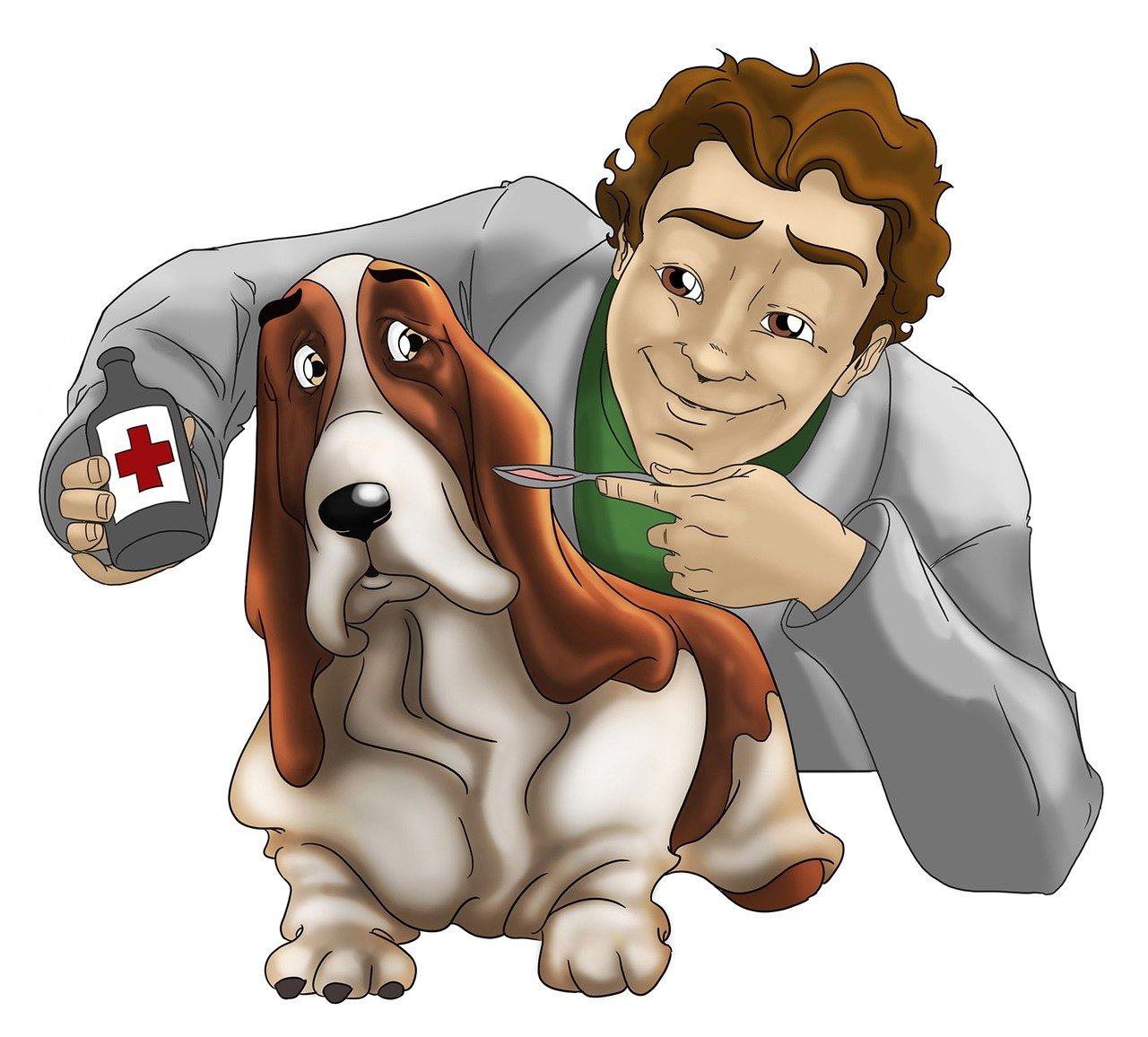

Safe Use of NSAIDs for Dogs Following Dental Treatments
After dental treatments, managing your dog’s pain effectively is crucial for a speedy recovery. One common solution is the use of Non-Steroidal Anti-Inflammatory Drugs (NSAIDs), but their use must be approached with caution. Firstly, always consult your veterinarian before administering any medications to ensure the dosage is appropriate for your dog’s specific needs. NSAIDs are generally safe but can lead to side effects if misused. Observing your dog’s behavior after administering NSAIDs is important; watch for signs of distress or adverse reactions. Potential side effects can include vomiting, diarrhea, or lethargy. A gradual dosage adjustment might be recommended based on your dog’s response. Furthermore, understanding your dog’s medical history is essential since certain pre-existing conditions can affect NSAID safety. Administering NSAIDs on an empty stomach can irritate the gastrointestinal tract, so it’s best to give them with food. Always store medications out of reach to prevent accidental ingestion. Lastly, be aware that not all NSAIDs are suitable for all dogs; some dogs may require alternative pain relief options. Keeping close communication with your vet will help in managing your dog’s pain effectively.
Choosing the Right NSAID for Your Dog
Selecting the most suitable NSAID for your dog post-dental procedure involves careful consideration. Not all NSAIDs are created equal, and some are specifically formulated for canine use. For example, carprofen (Rimadyl) and meloxicam (Metacam) are popular NSAIDs prescribed for dogs. Each of these medications works differently and may have varying effects and side effects. It’s also essential to inform your veterinarian of any other medications your dog is taking. Drug interactions may cause adverse effects; hence, communication is critical. The veterinarian will help determine if an NSAID is effective or if a switch to a different pain relief method is necessary. Another consideration includes the duration of treatment; prolonged NSAID usage can lead to gastrointestinal issues or liver complications. Typically, veterinarians recommend a short-term usage strategy combined with regular follow-up visits to monitor your dog’s health. Moreover, alternative therapies or adjunct treatments may complement NSAID use, such as acupuncture or physical therapy. Make sure to explore and discuss these options with your veterinarian for a more comprehensive pain management plan.
It is crucial to monitor for side effects once you start your dog on NSAIDs. Side effects can vary widely based on individual dogs and the specific medication used. Common side effects often include gastrointestinal problems such as diarrhea, vomiting, and loss of appetite. If you notice any of these issues, contact your veterinarian promptly to rule out any serious complications. In rare cases, liver or kidney damage may occur as a result of NSAID administration, so monitoring their behavior and health during treatment is vital. Often, routine blood tests are administered prior to starting NSAIDs to establish a baseline liver and kidney function profile. This proactive measure helps catch any problems early on. Dosage guidelines provided by your veterinarian should always be adhered to strictly. To maintain consistent pain relief, do not skip doses or change the dosage without prior consultation. Also, never attempt to mix different NSAIDs without veterinary advice, as this can amplify the risk of toxicity. Regular follow-up appointments will ensure your dog’s continued safety and health while on pain management medications.
Dietary considerations play a fundamental role in your dog’s recovery after dental procedures, especially when NSAIDs are involved. Feeding your dog a well-balanced diet helps in mitigating potential gastrointestinal side effects of NSAIDs. A diet rich in fiber can promote digestive health, reducing the occurrence of upset stomach or diarrhea. In some instances, your veterinarian might suggest incorporating specific digestive aids or probiotic supplements to enhance digestion and protect your dog’s stomach lining. Hydration is equally important as it helps flush out toxins and supports overall health. Providing ample fresh water is crucial, especially if NSAIDs have caused gastrointestinal issues. Avoid drastic dietary changes post-surgery, as this can add more strain on your dog’s digestive system. Instead, introduce any new food gradually. Additionally, fatty foods should be avoided during the NSAID treatment period, as these can contribute to gastrointestinal distress. Always consult with your veterinarian before making significant dietary changes. Regular checks on your dog’s weight and condition can assist in ensuring that the NSAID administration is benefiting them without causing additional health complications from their diet.
Recognizing When to Seek Veterinary Assistance
Being observant of your dog’s condition after NSAID administration is crucial in recognizing when veterinary assistance is required. If your dog exhibits unusual behavior such as excessive panting, restlessness, or lethargy, it may indicate a reaction to the medication. Additionally, signs like jaundice (yellowing of the skin or eyes), which indicates potential liver issues, or blood in the stool can be alarming. If you observe these signs, it’s important to contact your veterinarian immediately for guidance. Early detection of any adverse reactions can significantly impact your dog’s recovery and overall health. Keeping a close eye on their eating and drinking habits can also provide insights into how they are coping with their pain management regimen. Further, any changes in their bathroom habits should also be monitored. If your dog is reluctant to eat or seems to be drinking less than usual, these could be signs that the medication is affecting them negatively. Overall, understanding your dog’s typical behavior and any changes post-medication can empower you to act promptly when necessary.
In summary, the safe use of NSAIDs for dogs following dental treatments involves careful management and monitoring. The key to successful pain relief lies in following your veterinarian’s instructions meticulously and being aware of your dog’s unique health needs. Monitor your dog diligently, observing for any side effects while managing their pain effectively with NSAIDs. Always report any concerning symptoms to your veterinarian immediately, as timely intervention can prevent more serious health issues. Additionally, maintaining open communication with your veterinarian can provide you with the reassurance you need while navigating the complexities of your dog’s pain management. Inform them of any changes in your dog’s behavior and health status throughout the treatment process. Reliable resources and additional educational materials can also enhance your understanding of dog dental care and pain management protocols. Remember, the goal is to maintain your dog’s comfort while minimizing the risks associated with NSAID use. With the right approach, you can ensure the safety and well-being of your furry friend during their recovery after dental treatments.
Always ensure that you have clear educational resources at hand regarding the safe administration of NSAIDs for your dog. Reliable websites, articles, and veterinarian-published materials are beneficial for understanding potential side effects and safe practices. Having this knowledge allows you to make informed decisions, and it can also empower you to educate others about effective pain management strategies. Be proactive in seeking advice and support from your veterinarian, especially if you’re uncertain about any gut feelings regarding your dog’s health. Furthermore, pet owner communities can be invaluable in sharing experiences and insights about the use of NSAIDs. Joining forums or social media groups focusing on pet health can provide support and knowledge for managing pain. Engaging with other pet owners may also introduce you to alternative pain management options or holistic practices that could complement the NSAID treatment. Always keep open lines of communication with your vet; expressing any concerns or questions can help you feel more confident in caring for your dog post-dental treatment. Remember, knowledge plays a pivotal role in ensuring a safe and effective pain management journey for your beloved furry companion.