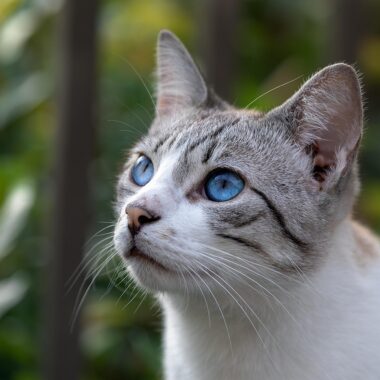

Using Textures and Fabrics as Backgrounds for Cat Photos
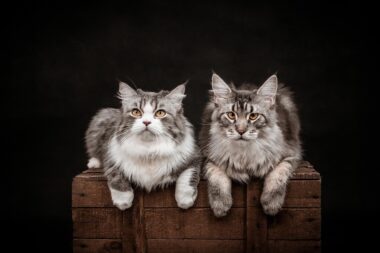
When it comes to cat photography, the choice of background is crucial. Textures and fabrics can enhance the overall aesthetic of your feline portraits and bring out their personality. Utilizing different materials can introduce a unique charm to your images. Look for soft fabrics such as cotton, linen, or velvet that can create a warm feel. Patterns, too, can add visual interest. Floral, plaid, or striped designs can provide a lively backdrop that captures attention. Additionally, consider solid colors for a more classic approach. Shades like cream or tan may complement your cat’s fur beautifully. You can also experiment with contrasting colors to make your pet stand out. Consider using layers of fabric to create depth in your photographs. Drape varying lengths of fabric or mix and match textures to enhance your composition. A textured background can evoke warmth and softness in photos. Think about how the light interacts with different fabrics as well, as this can dramatically impact the mood of your shot. Overall, choosing the right background is all about enhancing your cat’s natural beauty.
Various textures such as wool, fur, or even sheer materials can introduce intriguing elements to your images. These backgrounds help to frame your cat and direct attention towards them. When selecting fabrics, it’s important to think about your cat’s behavior. Some cats may prefer cozy materials where they can comfortably relax during the shoot. Others may enjoy a more structured surface. Soft blankets or quilts often serve as excellent bases for indoor photography, providing comfort and a pleasing aesthetic. Don’t shy away from mixing textures; a soft knitted throw paired with a smooth satin might create a striking visual. Experimentation is key! Consider adding props that fit the chosen textile theme. For example, a woven basket or a set of colorful pillows could help create context. Make sure to create a safe space where your cat feels at ease. Patience is essential when photographing cats, as their comfort often leads to the best images. Prepare your environment with soft lighting, using diffusers and reflectors to enhance the beauty of the textures. Capture the candid moments that showcase your cat’s personality against these charming backgrounds.
Color Combinations for Cat Photography
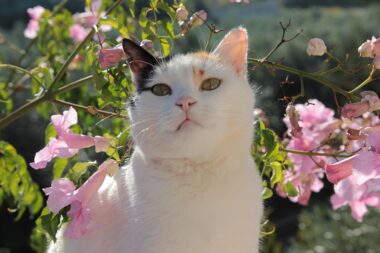
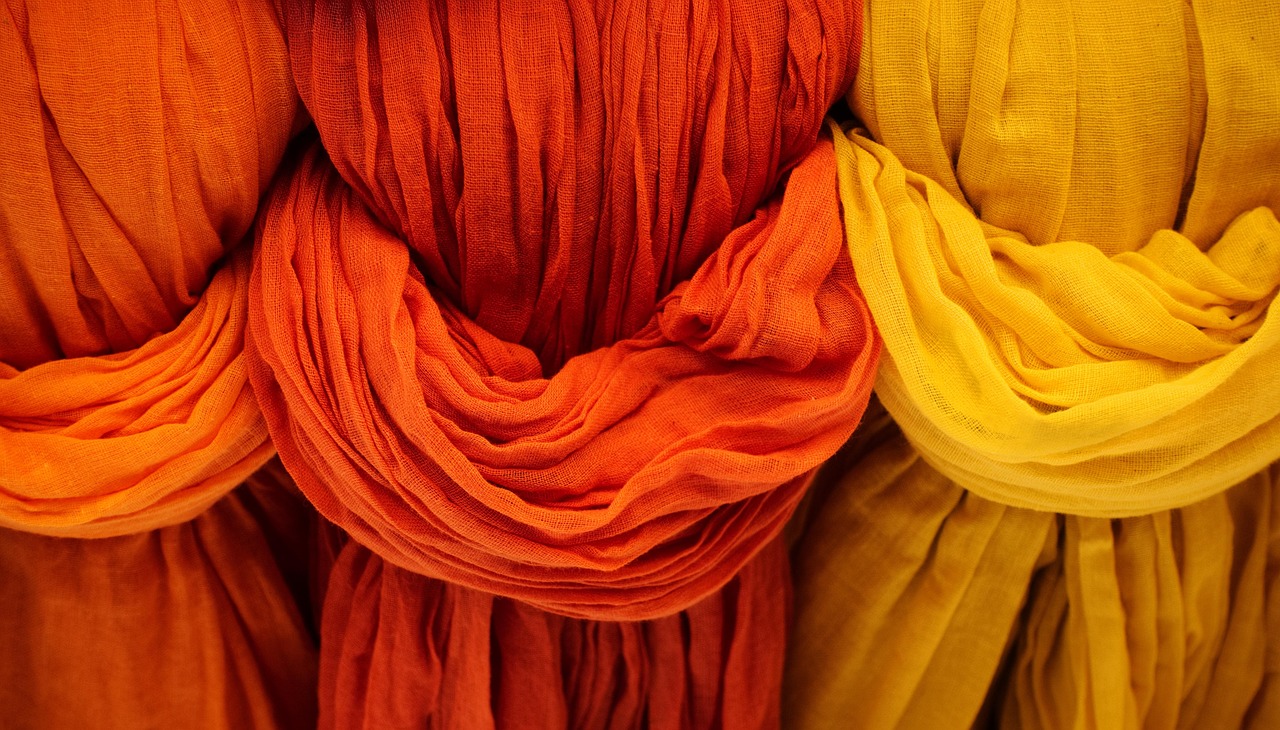
Choosing the right colors is equally important when utilizing textures and fabrics as backgrounds. Color combinations can significantly affect the mood of your photographs. For example, a vibrant backdrop in shades of red and yellow may express energy and playfulness. In contrast, a cool blue fabric might evoke calmness and relaxation. A color wheel can be a handy tool in determining complementary colors that enhance your images. Select a color palette that either matches or contrasts with your cat’s fur for a cohesive look. For black or white cats, backgrounds in bold colors can create stunning images. On the other hand, pastel colors suit cats with lighter coats. Soft greens, blues, and pinks can be particularly photogenic and pleasing. Assess the overall harmony of colors in your shot, ensuring that the background does not overpower your subject. Consider the season when selecting colors; warm tones might work well in autumn while refreshing colors suit spring. Also, seasonal-themed fabrics can add a delightful touch to your photography. This thoughtful color consideration will help your cat photos stand out beautifully.
The placement of your background fabric plays a huge role in the final composition. To achieve an appealing look, think about how various fabrics drape and fold. Experiment with an array of setups by placing fabrics on different surfaces, such as tables or floors, to create dynamic layers. When photographing your cat, be sure to avoid distracting shadows or busy patterns that detract from your subject. Simplify your setup by using neutral-colored sheets as backdrops, ensuring the focus remains solely on your cat’s expressions and movements. Drape the fabric in gentle curves or allow it to cascade elegantly for a natural look. Remember to adjust your camera angles and distances to capture the best framing of the cat alongside the fabric backdrop. Enhance your images further by incorporating natural light where possible. Soft, diffused outdoor lighting can enhance colors and textures significantly. Indoor lights can create strong shadows, which may detract from the warmth of your scenes. Providing a beautifully set stage for your cat can lead to stunning captures, full of warmth and character that you will cherish. Creativity and patience will enhance your photography.
Creating Interesting Visuals with Patterns
In photography, patterns serve to draw viewers’ attention while providing structure and context. Incorporating patterned fabrics into your cat photographs can introduce this dynamic element and create depth in an image. Geometric patterns, floral designs, or even whimsical prints can enhance visual storytelling. When selecting fabrics with patterns, ensure they are not too overwhelming to avoid distracting from your pet. A subtle plaid or a delicate floral pattern might suit your cat well, providing a lovely backdrop without taking center stage. Consider also layering fabrics, such as a solid base layer with a patterned overlay, to develop intriguing contrasts and textures. Make sure the pattern complements your cat’s fur color to achieve a pleasing visual balance. You can also use props that features a pattern, such as an area rug or cushion. These thoughtful details help create a cohesive theme in your photos. Attention to these elements can transform a simple cat portrait into a stunning work of art. Always remember that key elements to focus on are texture, color, and pattern, blending them harmoniously to accentuate the beauty of your feline friend.
Once you’ve mastered various textures and patterns, look for creative shots that capture your cat’s personality against a textured backdrop. Utilize different angles, lighting conditions, and poses to create striking visuals. Experiment with close-ups to highlight the unique characteristics that textures can enhance, such as the softness of faux fur or the sheen of satin. Focus not only on your cat’s face but also on their paws and tail against the interesting fabric background. Genuine moments, like a cat fully engaged with draped fabric or curiously pawing at textures, create engaging dynamics worth capturing. Additionally, utilize props like plants or toys that contrast against the chosen background. Cats naturally explore and engage with their surroundings, so harnessing their curiosity brings authenticity to your photography. A combination of action and stillness can lead to captivating images. When editing your photos, consider color correction to ensure the background and foreground are in perfect harmony. Adjust contrast, saturation, and sharpness to achieve a polished look. Ultimately, your creativity will influence how the textures and fabrics enhance the overall impact of your cat photography.
Final Thoughts on Cat Photography
Finally, always strive for a relaxed environment for your cat. This ensures they feel secure and willing to explore various backdrops. Consistently incorporate fabrics that are familiar to them, as they often provide comfort during shoots. Regular interaction with these textures can also make them more inclined to pose and participate in the photography session. Ultimately, cat photography is about capturing candid moments and expressing personality through thoughtful compositions. So, take your time experimenting with these elements until you discover what resonates best with your cat. Reviewing your images together will help gauge what adjustments you might want to make for future sessions. Every shoot provides an opportunity to explore new methods and techniques. Don’t be afraid to try out unusual fabrics or patterns to see how they interact with your cat. By fostering both creative exploration and comfort, your photography will improve as you challenge yourself to think beyond conventional approaches. Documenting the beautiful essence of your feline friend offers rewards. Their unique charms shine when given the right backgrounds, creating timeless images that capture their character.
By emphasizing textures and fabrics, cat photography can evolve into a cherished hobby or profession. As you gain experience, you’ll notice improvements in your compositional skills, lighting, and your ability to tell compelling stories through images. Engage with online communities of pet photographers for additional tips and feedback. Sharing your photos on social media platforms can open up wonderful opportunities for connections, collaborations, and advice. Study the work of respected cat photographers to gather fresh ideas on using textures and backgrounds. Remember, practice makes perfect; continuous experimentation will sharpen your eye for detail. Create a portfolio of your best work while also documenting your creative process over time. This provides both reflection and insight into your development as a cat photographer. Consistently incorporating textures and fabrics opens exciting doors for your photography journey. Above all, have fun with it and enjoy the process of working with your furry companions. Each cat provides a unique experience, transforming ordinary shoots into extraordinary moments to treasure. Ultimately, weaving your creative vision together with the charm of your feline models results in delightful and engaging photography.