
Effective Home Remedies for Treating Cat Ear Mites
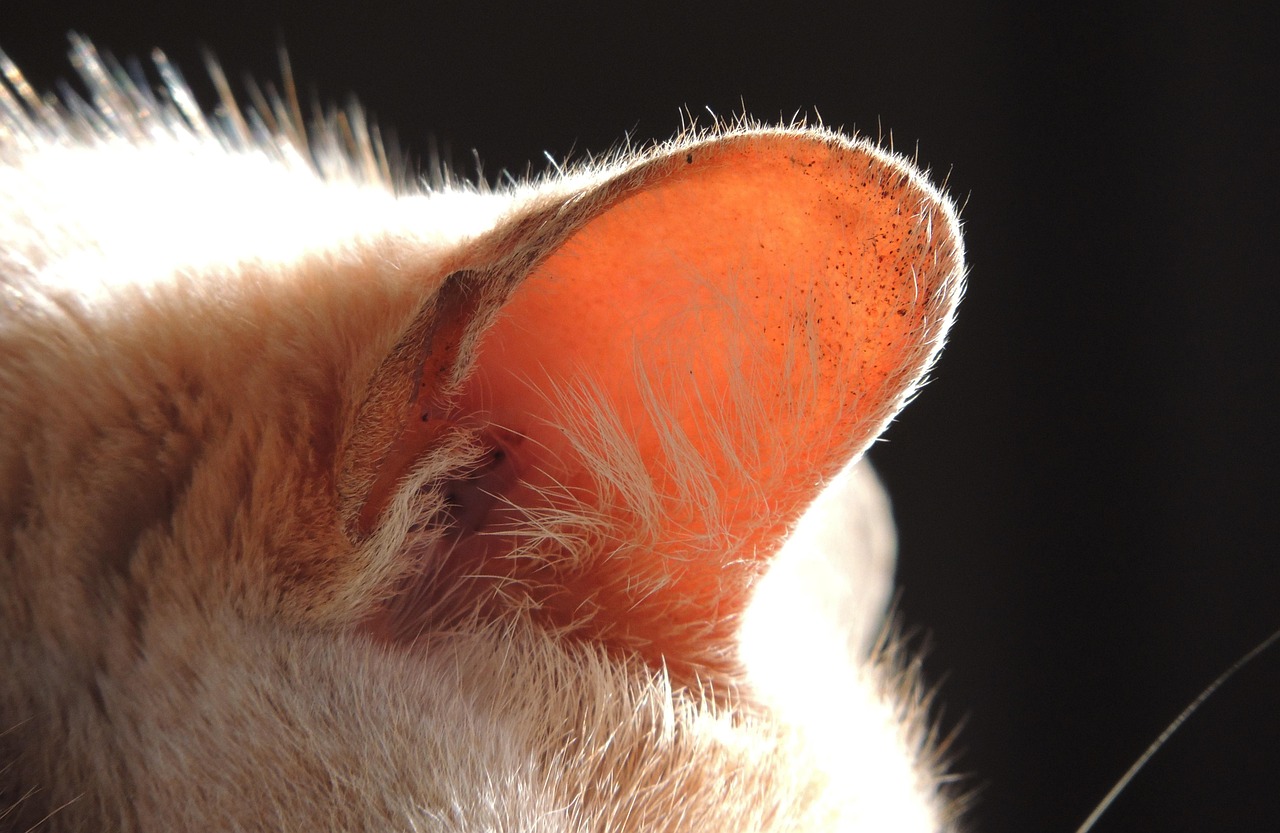
Recognizing ear mites in your cat can be challenging yet crucial for their health. These tiny parasites thrive in the ear canal, causing discomfort and other issues. Common symptoms include frequent scratching at the ears, shaking of the head, and visible black debris in the ear. If you suspect ear mites, take your cat to a veterinarian for diagnosis. Once diagnosed, you can start exploring remedies. Understanding how to treat ear mites effectively at home can save you time and money while ensuring your pet’s comfort. However, traditional veterinary care should not be overlooked; the vet may provide medications that can complement home solutions. A combination of both methods is often the most effective approach. Always keep a close watch on your cat’s ear condition to prevent further complications. Keep in mind that proper grooming is essential for preventing infestations. Should your cat exhibit persistent signs of ear mites after treatment, do not hesitate to consult a veterinarian again. Their expertise can help identify underlying issues that may be contributing to repeat infestations. Caring for your cat’s ears leads to better overall health and happiness.
In addition to professional care, several home remedies are effective in treating ear mites. Natural options such as coconut oil can provide relief and help eliminate ear mites. When applying coconut oil, ensure you warm it slightly, making it safer and more comfortable for your cat. Use a syringe without a needle to apply a few drops inside the ear canal. This method allows the oil to saturate the affected area. Another popular remedy includes using a mixture of apple cider vinegar and water. This vinegar helps to create an acidic environment that ear mites cannot survive. Mix equal parts of apple cider vinegar and water, and use the solution in a similar manner as the coconut oil. Remember to do this gently and monitor your cat’s reaction. If they show signs of irritation, stop immediately. You can also explore other essential oils, such as tea tree oil or lavender oil. However, always dilute them properly with a carrier oil to avoid irritation. Always remember to consult your veterinarian before using essential oils, as some oils can be harmful to cats. These natural remedies could provide relief and benefit your cat’s ear health.
Garlic and Olive Oil
Another remedy for treating ear mites in cats is garlic mixed with olive oil. Garlic has natural insect-repellent properties that can help deter mites. To use this remedy, finely chop a clove of garlic and mix it with a couple of tablespoons of olive oil. Allow this mixture to sit for about an hour, then strain to remove the garlic bits. Gently warm the olive oil mixture before applying it to your cat’s ears. Just a few drops in each ear should suffice, followed by massage to ensure it penetrates effectively. You may apply this remedy twice a week until the ear mite infestation diminishes. Be sure to keep an eye on your cat for any signs of adverse reactions. If you notice any unusual behaviors or symptoms, discontinue use and consult your veterinarian promptly. This approach can potentially soothe any inflammation and discomfort associated with ear mites. While it is a popular remedy, it is always best to use it alongside veterinary guidance. Regularly clean your cat’s ear to maintain a healthy environment and help prevent future infestations.
Furthermore, maintaining strict hygiene in your home will also help control ear mite infestations. Regular cleaning of your cat’s bedding and living area is vital for preventing re-infestation. Use hot, soapy water for washing items such as blankets and toys. Vacuum carpets and furniture frequently to remove any mites or eggs present, ensuring your home remains a safe, clean habitat. Pay particular attention to areas where your cat spends most of its time, as ear mites can be quite resilient. Additionally, consider reducing the amount of clutter around your home, as this may trap dust and mites, making it easier for them to survive. Regular grooming sessions can help monitor ear health and spot issues before they worsen. During grooming, always check for any signs of dirt, wax buildup, or inflammation in the ears. Keeping your cat’s ears clean can help maintain their overall health and prevent ear mites from taking hold. Building a consistent cleaning routine not only helps in treating ear mites but also promotes your cat’s overall well-being in the long run.
Conclusion on Treating Ear Mites
In conclusion, treating ear mites in cats requires a multi-faceted approach incorporating both home remedies and professional care. Each remedy discussed provides unique benefits, offering various options for you to choose from. However, constant observation is key to determining what works best for your pet. If no improvement is noted after a few treatments, seek the advice of a veterinarian. Regular veterinary check-ups are crucial for maintaining your cat’s ear health and catching any infestations early on. Remember that while home remedies can alleviate symptoms or treat mild cases, severe infestations should always be treated by professionals. Do not forget to follow up on your progress and adjust your treatment plan as necessary. Ensuring your cat’s overall health may involve dietary changes, supplements, or even lifestyle adjustments. Pay attention to your cat’s behavior, as they are the best indicators of their well-being. Ultimately, the goal is to provide comfort and relief, ensuring a happy, healthy life for your feline friend.
Being proactive about your cat’s ear health ensures they remain free from pesky parasites like ear mites. With regular ear checks, a tailored grooming regimen, and the right home remedies, you can successfully combat ear mites and keep your beloved pet comfortable. Remember, changes to your cat’s environment can also affect their health, so it’s essential to remain vigilant. As you explore different remedies, consider your cat’s unique needs, as every cat may respond differently. Additionally, consult online resources or join cat owner communities for sharing personal experiences with ear mites and remedies that worked for them. A collaborative approach helps pet owners learn more and supports continuous improvement in cat care practices. Always keep your veterinarian as your primary resource and partner in your pet’s health journey. With a little patience and attentiveness, you can help manage ear mites effectively and prevent future occurrences. Your commitment to keeping your cat healthy and happy will ultimately pay off, strengthening the bond between you and your furry companion. Regularly learning about cat care will enhance your skills and improve your pet’s quality of life.
Finally, it’s important to remember that ear mite infestations can occur at any time, particularly in environments where cats interact frequently. An understanding of prevention strategies can significantly reduce the risk of recurrence. Consider integrated pest management, which combines proper hygiene, regular veterinary care, and immediate treatment protocols if an infestation occurs. Be cautious with other pets and ensure that they are also checked for mites, as ear mites can spread easily among animals. Share information with fellow cat owners, as collective awareness raises the standard of care. Never hesitate to pursue education in feline health, as the more you know, the better you can support your cat’s health. You can find reliable information through books, online courses, or reputable websites associated with veterinarians. Remember that your responsibility doesn’t end after an infestation is treated. A healthy cat is a happy cat, and taking proactive measures today can prevent problems tomorrow. Your commitment will significantly enhance the life quality of your furry companion and contribute to the enjoyable, affectionate experiences that come with cat ownership.