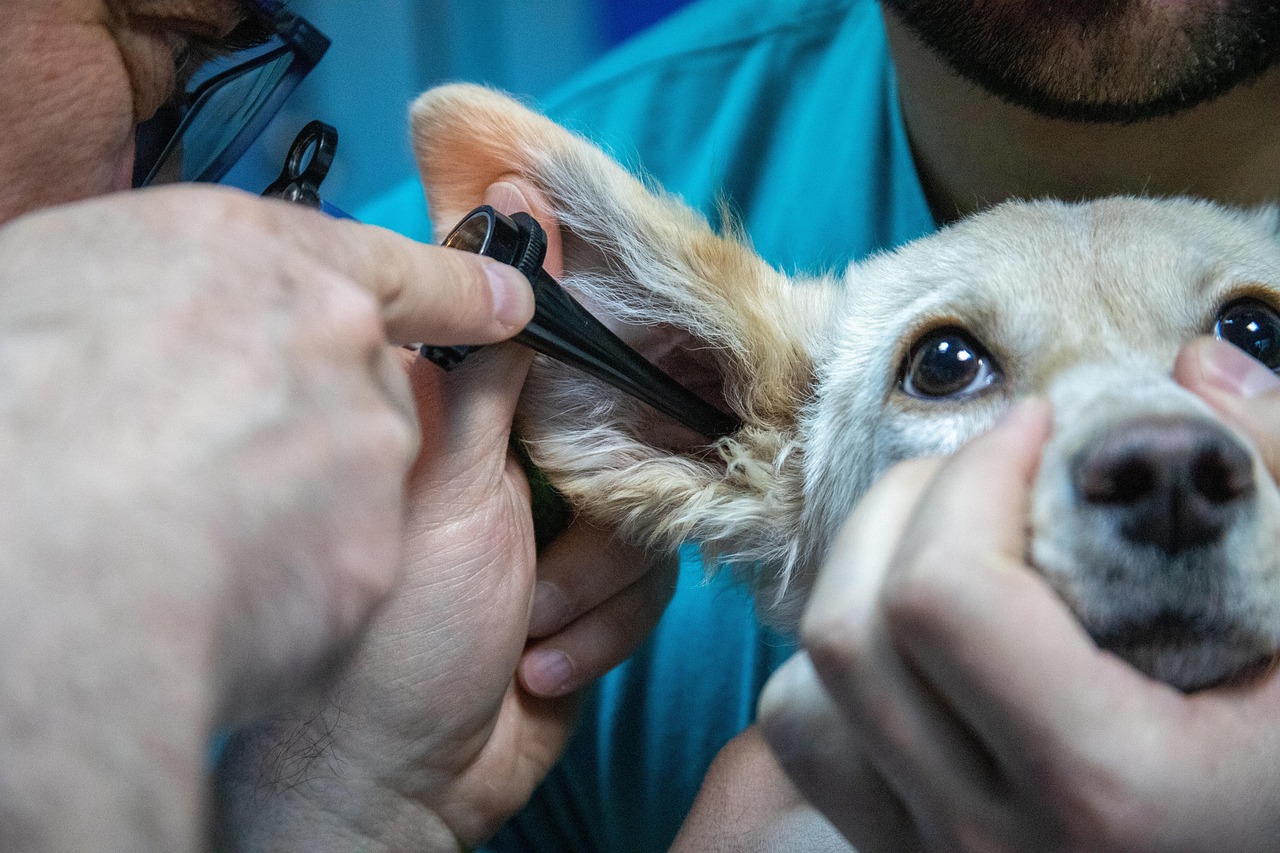

Natural Remedies for Parasitic Skin Infections in Dogs
Parasitic skin infections in dogs can be troubling and uncomfortable for your furry friend. Understanding the available natural remedies is essential to provide relief without unwanted side effects. Many dogs experience skin issues caused by parasites such as fleas, ticks, and mites. These pests can lead to conditions like dermatitis, intense itching, and hair loss. Natural remedies are often gentler and safer alternatives for pet owners looking to alleviate their dog’s discomfort. Essential oils, for example, can effectively repel parasites while promoting healthy skin. Furthermore, frequent grooming helps maintain skin hygiene and can remove pests before they cause significant damage. Pet owners should also consider dietary adjustments rich in omega-3 fatty acids. These nutrients improve skin health and combat inflammation associated with allergies or infections. It is advisable to consult a veterinarian before introducing any new remedies, as some substances might not suit every dog. Familiarity with natural solutions can empower pet owners to manage their dog’s health better. By taking proactive measures, you can create a vet-approved plan that ensures your dog’s wellbeing and comfort as they recover from parasitic skin infections.
Regularly washing your dog’s bedding and toys is crucial in managing parasitic skin infections. By removing potential habitats for parasites, you contribute to breaking the cycle of infestation. Keeping your home clean and ensuring your dog’s living area is hygienic significantly reduces the chances of recurring infections. Additionally, applying natural treatments like apple cider vinegar can help soothe irritated skin. Its antifungal properties help combat secondary infections, giving your dog relief from itching or inflammation. Make a mixture of equal parts water and apple cider vinegar, then gently apply it to the affected areas. Moreover, herbal remedies such as neem oil are known for their effectiveness against various skin parasites. Neem oil not only repels pests but also has anti-inflammatory properties that promote healing. However, it’s essential to dilute neem oil before applying it to your dog’s skin or consult a vet on the correct usage. Along with these treatments, maintaining a healthy diet and regular vet check-ups will enhance your dog’s immune system. Keeping your dog’s environment and skin clean is one of the most effective ways to prevent parasitic infections and ensure their overall health and happiness.
Homeopathic Solutions for Healing
Incorporating homeopathic solutions can be effective in treating parasitic skin infections in dogs. Homeopathy focuses on stimulating the body’s natural defenses to heal itself. Remedies such as Sulphur or Psorinum can address skin issues, especially if your dog is prone to allergies. These remedies are chosen based on specific symptoms and behavioral patterns that your dog exhibits. It is crucial to select the appropriate remedy aligning with your dog’s individual symptoms for maximum effectiveness. Another great homeopathic solution involves the use of herbal infusions, like calendula tea. Calendula has excellent wound-healing properties and helps soothe the skin. To use this remedy, steep dried calendula flowers in boiling water, allow it to cool, and apply it gently to affected areas. Regular applications can speed up healing and reduce inflammation. Homeopathic treatments offer a holistic approach, focusing on the entire well-being of your dog rather than merely alleviating symptoms. However, consistency and patience are key since natural remedies may take longer to show results. Always consult with a certified homeopathic veterinarian to guide you through the appropriate treatments tailored for your dog’s specific needs.
Essential oils have gained considerable attention for their therapeutic properties against parasitic skin infections. Oils like lavender, peppermint, and tea tree can be useful in repelling parasites and improving skin condition. Lavender oil is particularly effective due to its calming and soothing properties. To use it safely, dilute essential oils with a carrier oil, such as coconut or olive oil. A typical recommendation is to use a few drops of essential oil per tablespoon of carrier oil, ensuring it’s safe for your dog’s size. Apply the mixture to your dog’s skin, focusing on areas where parasites are likely to be found. Always perform a patch test first to ensure your dog does not exhibit any adverse reactions. Additionally, herbal baths with oatmeal or chamomile can soothe itchy skin and provide relief from irritation. These ingredients have moisturizing properties and can significantly help dogs suffering from skin infections or allergies. Keeping your dog’s fur clean and well-groomed aids in preventing future infestations while the natural remedies work effectively towards healing their skin. Home hygiene and holistic methods can complement one another in treating skin issues holistically.
Dietary Changes for Skin Health
Diet plays a crucial role in preventing and managing parasitic skin infections in dogs. A balanced and nutritious diet contributes significantly to your dog’s overall health and helps strengthen their immune system. Consider adding high-quality protein sources along with omega-3 fatty acids to your dog’s meals. Fish oil or flaxseed oil can be great additions and are well-known for their anti-inflammatory properties. Additionally, incorporating vegetables rich in antioxidants, like sweet potatoes and carrots, can help support skin and coat health. A healthy gut can also influence your dog’s skin condition. Probiotics and prebiotics found in certain dog foods can promote a healthy microbiome, offering better immunity and reducing inflammatory skin conditions. Furthermore, natural supplements such as zinc and biotin are essential for maintaining healthy skin and fur. However, it’s important to check with your veterinarian before changing your dog’s diet or adding new supplements. With the proper nutritional strategy in place, you’ll notice improved skin health and overall well-being, while your furry friend enjoys a more vibrant life. Attention to diet truly reflects the dog’s skin condition and recovery from parasitic infections.
In conclusion, managing parasitic skin infections in dogs requires a multifaceted approach involving natural remedies, hygiene, and dietary considerations. By utilizing a combination of methods, you can create a robust plan for your dog’s skin health. Regular grooming helps remove parasites and debris while fostering a bond between you and your furry friend. Frequent vet check-ups keep you informed about potential issues before they escalate, ensuring timely interventions. The investigative process of discovering the best natural treatments for your dog may seem daunting, given the vast array of options available. Nonetheless, understanding your dog’s specific symptoms and needs can empower vigilant pet owners. Gradually introduce changes and monitor your dog’s responses to various treatments. Beyond just alleviating symptoms, focusing on long-term health practices such as nutrition and hygiene can significantly improve skin conditions. Implementing these remedies may take time and consistency, but the results will be well worth it. Remember, seeking guidance from a vet or a canine dermatologist can lead to tailored solutions, providing your dog with optimal comfort and healing from parasitic skin infections, essential for their overall happiness and quality of life. Your dedication and care will definitely pay off in the long run.