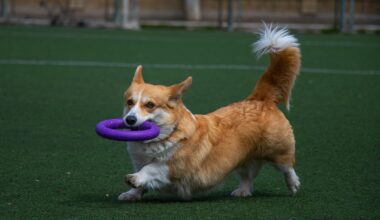

The Science Behind Dog Play Behavior and Its Importance
Understanding canine play behavior is essential for dog owners who want to foster a healthy, balanced relationship with their pets. Play serves multiple purposes in a dog’s life, such as socialization, exercise, and mental stimulation. By engaging in play, dogs learn important social skills and develop bonds with both humans and other dogs. Observing how your dog interacts during play can reveal much about their personality. For instance, some dogs prefer chasing games, while others may enjoy wrestling or tug-of-war. Recognizing these preferences allows owners to tailor activities that best suit their dog’s nature. Furthermore, play can serve as an outlet for energy, helping to prevent behavioral issues that arise from boredom or pent-up frustration. It’s essential for dog owners to prioritize play as part of their pet’s daily routine. Allowing dogs to engage in varying types of play fosters well-rounded development, as it contributes to their physical and emotional health. As a result, happy, well-played dogs are generally more content and relaxed at home, benefiting the entire household. Hence, understanding these behaviors is vital for enhancing the dog’s overall quality of life.
In addition to social benefits, play helps improve a dog’s physical fitness. Engaging in activities that stimulate both the mind and body can significantly contribute to a dog’s health. Active play reduces obesity risks, a growing concern in many canine populations today. When dogs are physically active, they have better muscle tone, improved cardiovascular health, and more effective joint function. Engaging in regular playtime also encourages a dog to learn and explore their natural instincts, such as chasing or retrieving. By providing opportunities for these activities, owners can support their dog’s innate abilities while ensuring they remain active and engaged. Moreover, mental exercises during play can further bolster cognitive functions. Interactive toys, puzzle games, or training sessions can stimulate their brains just as physical activities do for their body. The balance of mental and physical stimulation through play creates a more rounded and satisfied pet. Ultimately, holistic growth enables dogs to thrive in various environments. Regular evaluation of a dog’s play habits enables owners to adapt activities as needed, ensuring lifelong health. Emphasizing play in your dog’s day can lead to remarkable improvements in their behavioral and emotional well-being.
The Role of Play in Development
Playtime is not just a leisure activity; it holds significant importance in a dog’s developmental stages. Puppies, in particular, benefit invaluable from play in their early months. Play initiates social interactions, helping them learn critical boundaries and acceptable behaviors. Interactions with their littermates or other dogs teach young canines about social cues, such as when to back off or establish friendly play. By engaging in rough-and-tumble games, puppies develop skills necessary to navigate their environment and communicate with others. Furthermore, play emerges as a development tool that enhances coordination and physical abilities. As they practice more complex movements, like jumping or turning, their motor skills improve progressively. Social play not only reinforces emotional bonds but also aids in reducing fear or anxiety associated with new experiences. As dogs mature, continued play fosters confidence and adaptability. Regularly participating in some form of play is essential throughout a dog’s life, regardless of age. Owners should encourage interactions that stimulate the dog physically and mentally, ensuring they remain engaged and content through all stages. Ultimately, a well-rounded play regime is fundamental in shaping a dog’s character.
While promoting positive play is essential, it’s equally important to recognize the signs when play becomes too rough. Sometimes the line between fun and aggression can blur during intense activity. Dogs exhibit various signals, such as growling, snapping, or showing teeth, which may indicate discomfort or fear. Understanding these signals allows handlers to intervene effectively and reduce the risk of potential conflicts. Training and supervision are vital components, ensuring that playtime remains safe and enjoyable for all participating dogs. Encouraging appropriate play behaviors can include emphasizing socialization during puppyhood and exposing them to different environments and other pets. Moreover, games structured around mutual respect contribute significantly towards healthy, enjoyable play. Owners can benefit from employing commands like “leave it” or “gentle” to reinforce positive behaviors during play sessions. Engaging in frequent playdates with well-socialized dogs can develop healthy interactions, fostering better canine citizenship. Furthermore, these practices help build the owner’s confidence in their pet’s behavior, strengthening their bond through shared experiences. Balanced, enjoyable playtime is essential for fostering positive growth and establishing a healthy dynamic between pets and owners.
Adapting Play for Different Breeds
Another critical aspect lies in recognizing how breed characteristics influence play styles and preferences. Various breeds exhibit different energy levels and playfulness traits, guiding owners on suitable activities. For instance, herding breeds like Border Collies thrive on activities that challenge them physically and mentally, favoring games involving agility and quick movements. On the other hand, more relaxed breeds, like Bulldogs, may prefer gentler activities that require less exertion. Taking time to study breed tendencies assists in monitoring appropriate behaviors during playtime, catering to the dog’s specific needs. By varying the intensity and type of games, owners can create a nuanced play regime tailored for their pet’s intrinsic instincts. In addition, accommodating both a dog’s physicality and temperament during play enhances overall enjoyment and reduces frustration. Play enriched with different stimuli, including toys, tunnels, or even varied environments, encourages exploration and curiosity amongst dogs. Integrated approaches can lead to lasting benefits, including emotional stability and stronger relationships with their human companions. Ultimately, understanding a dog’s individual style of play helps owners foster experiences that best align with their beloved pet’s nature.
The benefits of play extend beyond initial development into lifelong mental health and resilience. Engaging in regular play sessions can alleviate stress and anxiety that develops in dogs due to various life circumstances. Factors such as changing environments, the addition of new family members, or the introduction of other pets may trigger anxiety. Play becomes a therapeutic outlet, helping to soothe overwhelmed dogs by providing an avenue for releasing pent-up energy and any distressed feelings. One-on-one play sessions can enhance the bond between dog and owner, as attention and affection establish a reliable source of comfort for those needing reassurance. Furthermore, incorporating interactive games such as hide-and-seek or scents-based activities can be particularly beneficial in mitigating feelings of unease. Furthermore, maintaining mental stimulation through such exercises ensures a sense of purpose. By providing your dog with a routine filled with engaging play opportunities, you cultivate a sense of security and routine. Thus, allowing dogs to express themselves through play fosters emotional health and reinforces their connection to their family group, clarifying its importance in everyday life.
Conclusion
Summarizing the significance of play behavior in dogs underscores its vital role in their overall well-being. Play is not merely an enjoyable pastime; it’s intricately tied to their physical, emotional, developmental, and social health. When dogs engage in play, they inherit valuable lessons that dictate their interactions throughout their lives. Therefore, ensuring regular physical and mental stimulation through various activities encourages balanced adulthood and positive emotional states. Pet owners wield the power to shape their dog’s experiences through carefully orchestrated playtime. Endeavors that promote healthy, stimulating activities can significantly influence behavior and lead to happier, more well-rounded pets. Additionally, understanding your dog’s preferences allows for better engagement and fulfillment of their play instincts. Simply put, play is essential in ensuring a thriving relationship between the dog and its owner, contributing towards a lasting companionship. Every interaction during play contributes to a dog’s character development and emotional stability. Ultimately, embracing the significance of play behavior empowers dog owners to enhance their companion’s quality of life, highlighting its vital role in a dog’s happiness.
Adopting a thoughtful approach to play within canine behavior creates a stronger bond between humans and dogs, promoting mutual respect and understanding. In the ever-evolving human-canine dynamic, recognizing each dog’s unique play style encourages owners to tailor stimulating environments that nurture their pet’s spirit. By offering a blend of physical games, mental challenges, and social opportunities, dogs are set up for success throughout their lives. This approach not only cultivates positive play habits but also fosters a deeper emotional connection, allowing for shared joy and companionship. As dog owners, it is essential to acknowledge the scientific foundations of play behavior and how it affects our furry friends’ emotional and psychological states. Assessing play provides insight into their health, and happiness, establishing the basis for a thriving relationship, full of love and trust. To sum it up, the science behind canine play behavior remains paramount in understanding our four-legged companions. By creating environments that cater to their physical and mental needs, we enhance their quality of life. Investing in enriching play experiences ultimately leads to fulfilling connections between dogs and their owners, intertwining joy, love, and understanding for a harmonious existence.