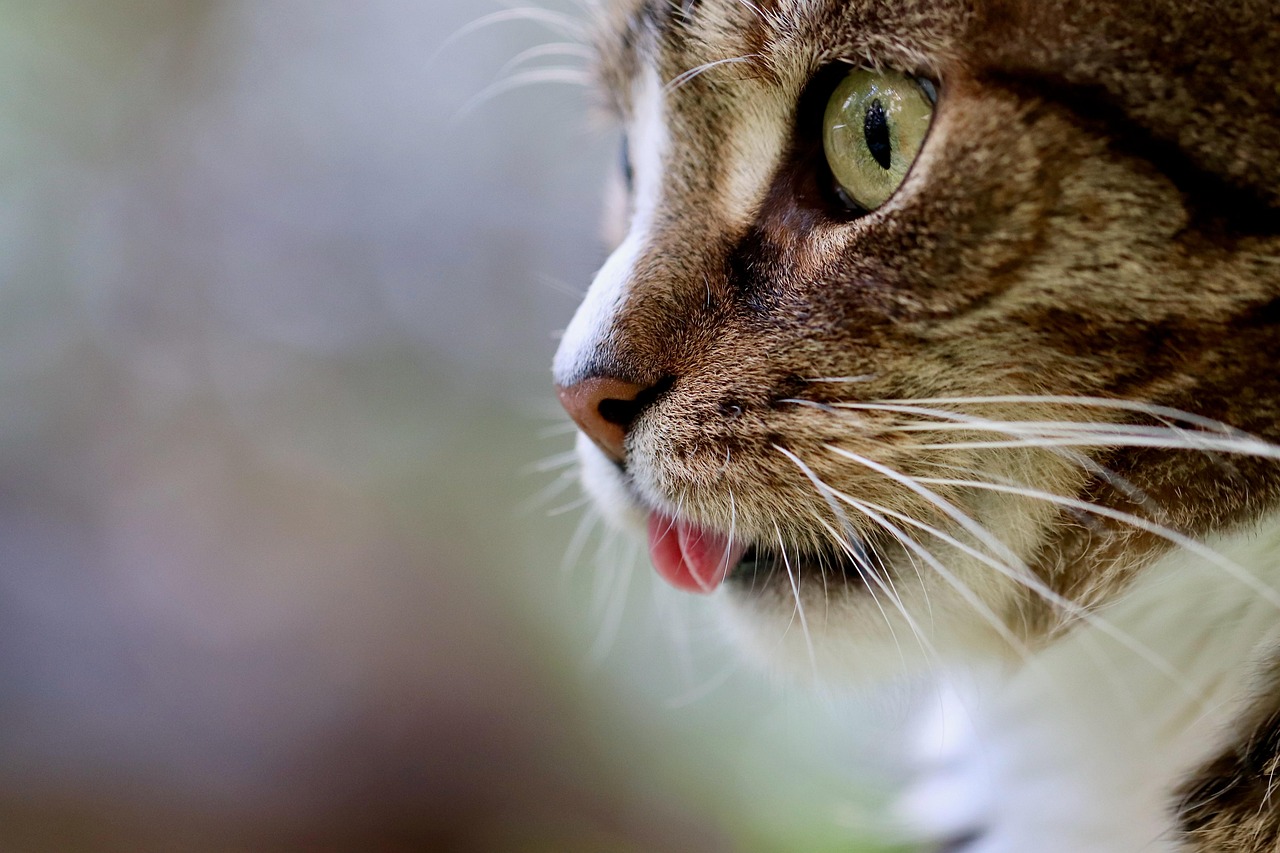

Understanding Vitamin Requirements in Adult Cats
Adult cats require a balanced intake of vitamins to maintain optimal health. As felines age, their nutritional needs change, emphasizing the importance of vitamins such as A, B, C, D, E, and K. Each vitamin serves a unique role in maintaining overall health. Vitamin A supports vision, skin, and immune function, promoting a healthy coat for its furry owner. B vitamins, which include B1, B2, and B12, are crucial for energy production and maintaining nerve function. Vitamin C is an antioxidant that boosts the immune system. Vitamin D aids in calcium absorption, promoting strong bones and teeth. Vitamin E, another antioxidant, protects cells from damage, whereas vitamin K is essential for blood clotting. A well-rounded diet primarily based on high-quality cat food is often sufficient to meet these vitamin requirements. Consulting with veterinarians may provide tailored recommendations based on individual health conditions or dietary preferences. It is important to ensure that your cat is not receiving excessive doses of any vitamin, as this can lead to toxicity. Taking preventive care seriously can significantly enhance your feline friend’s longevity and quality of life.
Identifying Vitamin Deficiencies
Recognizing symptoms of vitamin deficiencies in adult cats is crucial for proactive health management. Signs such as lethargy or poor coat condition may indicate inadequate vitamin intake. A cat’s diet should be critically evaluated to determine if it includes all essential vitamins. For example, a lack of Vitamin B complex can cause gastrointestinal issues like vomiting or diarrhea and nervous system problems. Changes in skin health, including increased dryness or flakiness, may signal deficiencies in fatty acids and vitamins A and E. When a pet owner observes these symptoms, timely intervention is necessary to prevent serious health complications. Regular veterinary check-ups should include discussions regarding diet and any observed changes in behavior. Incorporating vitamin-rich foods or supplements after consultation can boost a cat’s overall health. However, pet owners should avoid self-diagnosis and treatment. Vitamins are pivotal for a cat’s physiological functions, including metabolism and maintaining homeostasis. Keeping a close eye on a cat’s mood and physical condition can aid in detecting early signs of deficiency, allowing for prompt treatment and ensuring long-term health benefits.
Vitamin supplementation for adult cats should ideally be under veterinary supervision. Many commercial cat foods are formulated to meet the average vitamin requirements, but individual needs may vary. Some cats may require additional supplements due to specific health conditions such as obesity, allergies, or digestive issues. It’s important to note that not all cats benefit from supplements, so it’s best to assess if adjusting their diet suffices. Some common vitamin supplements include Omega-3 fatty acids for joint health and increased mobility, Vitamin E for a healthy heart, and certain B vitamins for enhanced energy levels. Moreover, natural food sources can also fulfill vitamin requirements. Fish, poultry, and certain vegetables are great dietary options that can boost vitamin intake naturally. However, pet owners should avoid feeding cats harmful foods like chocolate or onions that can cause toxicity. A balanced diet plan incorporates both natural food sources and vitamin supplements as needed, considering each cat’s health condition. Regular consultation with a veterinarian is advisable to adjust dietary plans and ensure that adult cats receive the vitamins they need for maintenance and overall health.
Key Vitamins and Their Roles
Understanding the key vitamins, such as A, D, and E, can help in maintaining adult cats’ health. Vitamin A is vital for good vision and reproductive health; cats obtain this vitamin primarily from animal tissues. A deficiency can lead to severe sight problems and skin issues. Vitamin D plays a significant role in maintaining calcium levels and promoting bone health; however, cats can efficiently synthesize it with exposure to sunlight. On the contrary, Vitamin E acts as an antioxidant, preventing cellular damage and promoting skin health. Its insufficiency can lead to muscular issues and overall weakness. Emphasis should also be placed on Vitamin K, which aids in blood clotting and can prevent issues related to excessive bleeding. A balanced diet usually provides adequate levels of these vitamins, but pet owners should be cautious about over-supplementing. Regular review of dietary choices and periodic veterinary testing can ensure that all defined vitamin needs are correctly met. Encouraging healthy habits regarding diet can lead to richer lives for adult cats and reduce veterinary expenses due to health complications.
When considering a shift to vitamin supplements, pet owners must understand both benefits and potential risks associated with them. Over-supplementing vitamins, particularly A and D, can lead to hypervitaminosis, which is toxic and can cause severe health issues. Symptoms of vitamin toxicity can include nausea, vomiting, and even neurological problems. It’s essential to choose high-quality supplements designed explicitly for felines. Additionally, understanding dosage guidelines suggested by veterinary professionals is key. Each product can have different concentrations of vitamins, leading to factual disparities in their effectiveness. Therefore, maintaining a detailed log of any dietary changes and adjustments made is wise. This ensures a clear health history, which can be discussed during veterinarian visits. Many cats may respond best to natural dietary sources supplemented with minimal amounts of additional vitamins or minerals if necessary. Implementing gradual changes allows cats to adapt comfortably and safely, ensuring they receive proper nutrition without the risk of adverse reactions. Regular check-ins with a vet can help validate whether adjustments have positively impacted overall health and vitality.
Choosing the Right Cat Food
Selecting high-quality cat food is critical in meeting adult cats’ vitamin needs effectively. Pet owners should look for complete, balanced nutrition that lists high-quality protein sources as the primary ingredient. Foods containing named meat, such as chicken or turkey, are excellent choices. Furthermore, investigating the product’s nutritional adequacy claims through AAFCO (Association of American Feed Control Officials) can provide assurance that the food meets essential nutrient standards. It is essential to avoid foods that include excess fillers or artificial additives, primarily because they offer minimal nutritional value. Brands that invest in whole ingredients are likely to provide a wealth of vitamins necessary for a healthy adult cat life. Cats should be encouraged to consume food encompassing essential vitamins. Regular dietary reviews and transitions into better-quality foods can have significant long-term benefits, such as improved immune function and overall vitality. Combining nutritional knowledge with the habit of reading labels can empower owners. Awareness of the presence of vitamins in pet food helps in determining suitable choices for furry companions, promoting optimal wellness.
Supplementing a cat’s diet with the right vitamins can significantly improve its overall health and longevity. Pet owners should carefully evaluate specific vitamin needs based on their cat’s age, activity level, and medical history. Consulting with veterinarians can help develop a personalized plan supporting the cat’s needs. Additionally, vitamin supplements can offer a convenient method to fill any nutritional gaps that diet alone may not address. However, moderation is crucial, as excess vitamin intake can result in serious health complications. It is also vital to stimulate a cat’s dietary interest by including different flavors or textures in their food. Incorporating wet food alongside standard kibble can add moisture, making feeding more enjoyable while accomplishing hydration. Regular activity and mental engagement can also support a cat’s nutritional efforts. Playtime and exercises can enhance nutrient utilization, effectively translating into a playful and active lifestyle. Encouraging this healthy interaction will create a more enjoyable environment for both the cat and owner. Long-term dedication to nutrition and wellness through vitamins ensures that our cherished feline friends live a long and happy life.
The Importance of Regular Veterinary Check-ups
Regular veterinary check-ups are vital for tracking adult cats’ vitamin and health status. Cats are often experts at hiding underlying issues, making it essential for pet owners to maintain routine appointments with their veterinarians. These visits can ensure that cats stay up-to-date on vaccinations, screenings, and health assessments that might otherwise go unnoticed. During these evaluations, veterinarians can recommend necessary dietary adjustments or supplements tailored to the individual cat’s needs. Monitoring body weight, coat condition, and dental health are aspects typically covered during these consultations. Each of these categories can provide valuable insights into overall vitamin intake levels. If deficiencies or excesses of vitamins are detected, proactive measures, including dietary modifications or blood tests, can be implemented. Regular check-ups reinforce a commitment to health and quality of life. Furthermore, these visits allow for discussions regarding any behavioral changes or health concerns that may have arisen. Maintaining open communication with a veterinarian contributes to an effective, preventative health strategy that supports the well-being of adult cats.