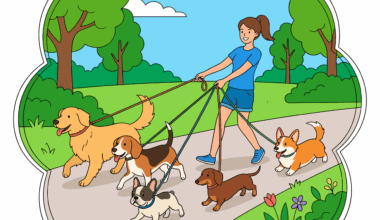

Safe Walking Practices for Dogs in Different Seasons and Nights
When it comes to walking your dog, safety should be your top priority, especially during different seasons and night walks. First and foremost, make sure that your dog is wearing a high-quality, reflective collar. This is crucial for visibility, particularly during dusk and nighttime hours. In addition to a collar, consider using a reflective leash or harness for better visibility in low-light situations. Seasonally appropriate gear can also help; winter walks require protective boots to prevent ice and salt irritation, while summer walks can benefit from breathable materials. Always engage with your dog during walks, choosing a route that is familiar, well-lit, and safely distanced from heavy traffic. Moreover, timing these walks can significantly enhance safety; morning and late afternoon are ideal for avoiding extreme temperatures. Always be alert for obstacles and other animals. Carrying a flashlight is a great idea for nighttime walks, enabling you to spot potential dangers ahead. The objective is to ensure comfort for both you and your dog, creating a rewarding walking experience. Ultimately, prioritizing safety makes walks enjoyable for all involved.
As seasons change, so do environmental factors that affect dog safety during walks. For instance, in autumn, falling leaves can create slippery conditions, so it’s essential to keep an eye on your dog’s footing. This, combined with the occasional frosty morning, can make walks in this season tricky. Therefore, ensure that your dog is adjusted to changing temperatures by gradually acclimatizing them to cooler weather. Additionally, check for allergens like pollen or mold during spring walks; some dogs may have seasonal allergies leading to discomfort. It would help if you also monitored your dog’s behavior closely during these periods. If your dog hesitates to walk or shows signs of irritation, consider adjusting the walking route or timing. Summer brings its own set of challenges, including heatstroke risks. Opt for early morning or late evening walks during sweltering days, providing ample hydration along the way. Always be mindful of your dog’s paws when walking on hot pavements, which can cause burns and other injuries. For snowy winter walks, use boots to protect against cold and de-icing chemicals that can harm animals.
Night Walk Strategies for Dog Safety
Navigating night walks requires specific strategies to keep your dog safe. It’s essential to be well-prepared, starting with utilizing adequate lighting, such as headlamps or wearable lights for both you and your dog. These tools increase visibility, reducing the risk of accidents or unexpected encounters. Choosing the right location is also crucial; parks and walking trails with streetlights can provide a safer environment than deserted roads. Plus, stick to familiar areas to maintain comfort for both dog and owner. Always keep your dog on a short leash, enhancing control and reducing the likelihood of them wandering into dangerous situations. Training your dog to respond to verbal commands is invaluable, especially when navigating at night. As you walk, be vigilant and observant, which includes constantly scanning the area for potential threats like other dogs or wildlife. If your dog becomes startled or anxious due to sudden noises, calmly reassure them while adjusting your trekking route. Additionally, consider carrying a cellular phone for emergencies. Being well-prepared enhances the night walking experience for both you and your furry friend, ensuring safety remains paramount.
As you develop a routine for nighttime walking, consider the importance of socialization during these outings. Engaging in regular conversations with your dog can ease their anxiety and improve behavior in external environments. Planning ahead for emergencies is also vital; first aid kits specifically designed for pets can provide peace of mind during any walk, regardless of the time of day. Additionally, practicing leash manners at night can help ensure your dog does not pull or dart unexpectedly. Building positive associations with your dog during these evening excursions can foster trust and create a rewarding experience. Fostering good communication is essential for keeping both you and your pet aware of surroundings. Attach a GPS tracker to your dog’s collar for added protection, allowing you to locate them in case of accidental detachment. When temperatures drop, implement additional benefits such as dog jackets to keep your pet warm; this can enhance their enjoyment and willingness to participate in evening strolls. Choosing the right gear is a practical investment; it keeps your pet safe while enhancing the nighttime outing experience.
Common Hazards to Avoid While Walking Dogs
During your walking excursions, both daytime and nighttime, be aware of possible hazards that could threaten your dog’s safety. Loose gravel or uneven ground can lead to injuries if not monitored. Obstructions such as branches or trash should be avoided, as they can potentially harm not only your dog but also yourself. Another common hazard is encountering other animals; it’s crucial to remain in control of your dog to avoid altercations. Being alert to surroundings and maintaining an appropriate distance from other dogs is essential. Additionally, ensure your dog is well-socialized to minimize aggressive tendencies during these encounters. As seasons shift, so could your dog’s exposure to wildlife. In areas where snakes or ticks are prevalent, vigilance is necessary; these creatures can pose risks to your pet’s health. Learning about seasonal challenges helps you prepare effectively. Furthermore, check local environment regulations regarding leash laws. Being proactive about protective measures and arming yourself with knowledge on local wildlife can ensure smoother interactions during your walks. Ultimately, highlighting common hazards is paramount in keeping your walking environment safe for both you and your beloved dog.
The significance of obedience training cannot be underestimated during any walk with your dog, especially when it comes to adhering to your safety protocols. Implementing commands for stop, sit, and heel are essential components for maintaining control and ensuring safety. Training should start early in your dog’s life, building strong foundations that enable comfortable walking experiences. This command-following behavior becomes especially crucial during evening walks where distractions are heightened. Incorporating positive reinforcement during training sessions can encourage desired behaviors over time. Carrying treats on your walks can serve as additional motivation for your dog, establishing a system of rewards during training. Furthermore, ensure that outdoor environments are free from hazardous distractions. This involves minimizing the presence of food wrappers, other animals, or loud noises that could provoke an unwanted reaction. Make it a habit to train your dog on various terrains, ensuring they are well-adjusted and responsive in different scenarios. Consistency and practice will go a long way in making your dog more reliable while walking. Ultimately, building a strong bond through effective training enhances your dog’s safety and comfort, allowing for enjoyable walks.
Conclusion: Enjoying Safe Walks with Your Dog
In conclusion, ensuring your dog’s safety during walks, whether at night or during specific seasons, requires a proactive approach. Both preparation and awareness can significantly minimize risks during these outings. By equipping your dog with reflective wear and being conscious of environmental factors, you enhance visibility and comfort. Establishing safe walking practices also involves adjusting to seasonal conditions. Whether it’s protecting your dog’s paws from hot pavement or guarding against icy surfaces, all measures contribute to a pleasurable experience. Additionally, training and socializing your dog leads to better behavior and accessibility while walking, ensuring that potential distractions are manageable. Moreover, engaging with your dog brings mutual bonding during walks, enriching the overall experience. When walking at night, utilizing dependable gear and adopting cautious behavior ensures you are prepared for any situation that may arise. Taking precautions ultimately leads to better enjoyment of walks, encouraging consistent exercise for both pet and owner. Every outing is an opportunity to deepen your bond with your dog, creating cherished memories. Remember, your dog’s safety depends on your attention, preparation, and willingness to adapt.
Overall, your commitment to maintaining safe walking practices keeps both you and your dog healthy. These experiences are essential for physical and emotional well-being, further strengthening your bond. Keeping abreast of other potential hazards and implementing safety strategies cannot be overemphasized. As seasons change and nighttime encroaches, these practices ensure safety remains a priority. Every step taken outdoors fosters positive experiences. Uphold the responsibility you possess and use these strategies to make informed decisions during every outing. With optimized preparation, every walk can be enjoyable and enriching for both you and your pet. Strong adherence to safety precautions will yield lasting benefits for your dog and overall walking experience. Enjoy your shared walks while prioritizing safety, providing you with peace of mind and an enjoyable experience. Ultimately, love and safety should reign supreme in every dog-walking adventure. Feel free to reach out to professionals for additional guidance and assistance if needed. Your dog will appreciate the added care come rain or shine.