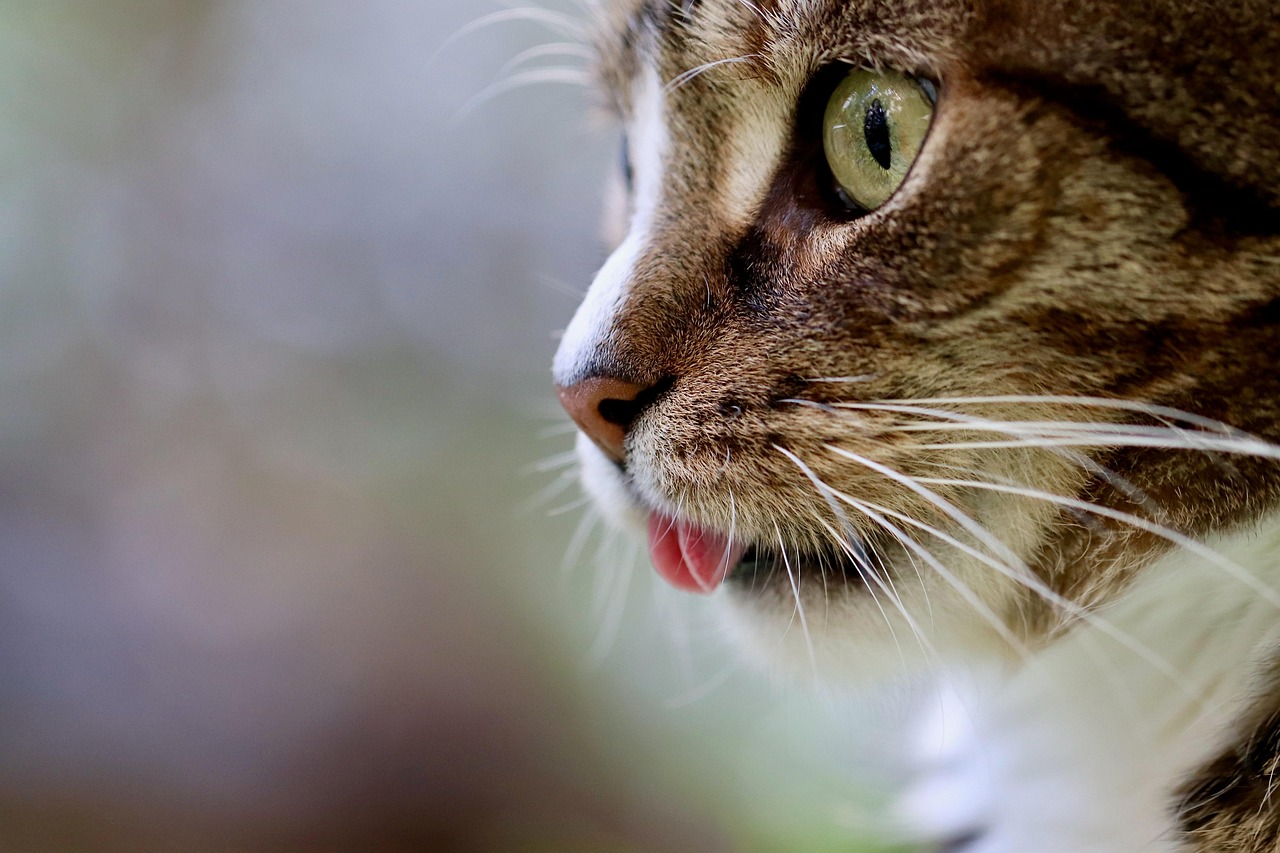

Year-Round Parasite Control: Seasonal Adjustments to Consider
Keeping your cat healthy and free of parasites requires seasonal adjustments in their care routine. Parasites vary by season, so it’s essential to know which ones to look out for and how to mitigate their effects. Spring and summer often bring increased flea and tick activity, making it vital to implement preventive measures. Regular vet visits for topical treatments or oral medications can help keep these pests at bay. Make sure your cat is groomed frequently, and check their fur for signs of infestation. During fall, ensure you continue with preventative treatments as ticks can remain active until the temperatures drop significantly. Similarly, worms like roundworms can be prevalent, especially in outdoor cats that may come into contact with contaminated soil. Always consult your veterinarian for the best plan regarding dosage and frequency. Winter may bring a chill, but indoor grooming remains crucial for parasite control as indoor cats are often at risk as well. A consistent health check will help you catch any infestations early.
Understanding the specific parasites that affect your cat during different seasons helps owners prepare and act accordingly. Fleas are notoriously prevalent in warm months; therefore, utilizing flea control products designed to break the flea lifecycle helps mitigate their impact. Adult fleas can lay hundreds of eggs which survive your cat’s grooming. In winter, while it might seem less of a concern, these pests can still linger indoors due to your home’s heating. This emphasizes the importance of ongoing preventative measures even when you think your cat is less exposed. Moreover, it is important to cycle through different flea and tick products, since pests can build a resistance to a specific chemical. This makes rotating products essential for efficacy. Similarly, watch out for heartworms, particularly during humid spring months, as mosquitoes carry them. In addition to standard parasite treatment, maintaining cleanliness around your home, including regular vacuuming, can help combat the problem. By understanding the seasonal changes and knowing what to watch for, you can proactively manage your cat’s health.
Winter Strategy for Cat Parasite Control
During the winter months, many pet owners mistakenly believe their cats are safe from parasites. However, indoor parasites can still pose a risk as they thrive in the warm environment of your home. Fleas can hitch a ride indoors, thus taking hold if not dealt with. Regular vacuuming and washing your cat’s bedding can help significantly reduce flea eggs and larvae. Moreover, consider using indoor flea control methods, such as sprays or foggers that are safe for pets. Additionally, keep your cat’s grooming routine consistent – brushing them regularly helps you keep track of any unwanted visitors. While other parasites, like ticks, may not be as active in colder months, they can still latch onto your cat during brief outdoor excursions. Heartworms too become a more significant risk through the winter, especially in warmer climates, since mosquitoes can remain active. Always consult your veterinarian about the best preventive measures and products for these specific threats. Understanding these seasonal variations can help maintain your pet’s health throughout the year.
Springtime brings an increase in outdoor activities for both you and your cat, which subsequently heightens exposure to various parasites. During this time, it’s critical to ramp up preventive measures against fleas, ticks, and worms. The warmer weather awakens fleas from their dormant state, and infested environments become a breeding ground. Additionally, ticks emerge in search of hosts for blood meals. Ensure your cat is routinely checked for ticks, especially after they’ve spent time outdoors. Regularly combing through your cat’s fur can help you spot any ticks early. Moreover, with the increase in bug populations in spring, heartworm prevention becomes crucial. As the weather warms, mosquitoes become active and pose a threat to your cat’s health. Consult your veterinarian on the best preventive heartworm medication to use during this time. Encouraging your cat to stay inside during dusk when mosquitoes are more active may also be beneficial. A well-rounded approach will keep your feline companion safe and healthy throughout this vibrant yet perilous season.
Summer Precautions for Feline Health
As the temperatures rise, the risk of parasite infestations also increases for your furry friend. Fleas and ticks thrive in hot weather, which necessitates the need for more aggressive prevention tactics. These parasites not only affect your cat’s health but can also pose risks to your household. It is vital to stay up-to-date on your cat’s flea and tick medications. Utilizing monthly treatments can significantly reduce the chance of infestations. Pay special attention to your outdoor cat since they have increased exposure to these pests. Bathing your cat with a veterinarian-recommended flea shampoo can also help control these nuisances. Don’t forget about maintaining a clean environment, such as regularly washing your cat’s bedding, soft furnishings, and your carpets. Additionally, ensuring your garden is well-kept, free of tall grasses, and debris will reduce potential tick habitats. Moreover, during the hottest months, it’s essential to keep your cat hydrated and limit exposure to direct sunlight to avoid overheating. Active surveillance of your cat’s health and environment promotes successful parasite control.
As summer gives way to fall, the changing temperatures contribute to various environmental hazards that require attention. During this transitional period, ensure your cat continues to receive preventative flea and tick treatments while remaining vigilant for signs of internal parasites. As outdoor temperatures cool down, cats may become more inclined to venture outside, inadvertently exposing themselves to parasites like ticks, which remain active until the first hard frost. Regular vet check-ups become crucial during this time. Your veterinarian can recommend deworming treatments based on any potential exposure risks. Approximately 10% of cats are affected by intestinal worms, particularly in late summer and fall when many cats hunt for prey outdoors. Additionally, heartworms still remain a risk until all mosquitoes disappear, therefore monitoring your pet for cough or fatigue while outdoors is a good practice. Incorporating supplements or treatments that help cleanse your pet’s system can be beneficial. Awareness during these seasonal transitions is vital. The goal is to establish a consistent routine for care, ensuring that your cat remains safe and healthy.
Preparing for the New Season
With each season transitioning, recurring adjustments play a crucial role in parasite control for cats. Fall provides an opportunity to reflect on the methods utilized throughout the year and make necessary adjustments moving forward. As you prepare for winter, consider stocking up on preventive medications ahead of time to avoid the rush that often occurs during particular seasons. Set reminders for monthly treatments and appointments, and maintain records of your cat’s health history. Assessment of any previous issues or allergic reactions to treatments should inform your choices for the upcoming period. Also, evaluating your cat’s environment is essential in reducing parasite risk, whether indoors or outdoors. Establish a home routine that engages in regular cleaning practices to eliminate flea eggs and larvae. These include vacuuming carpets and washing your pet’s bedding regularly. Monitoring your cat’s grooming habits and providing a balanced diet also enhances their overall health, ultimately building resilience against potential parasite infestations. Empowering yourself with knowledge about potential seasonal threats will help you take proactive steps in promoting your cat’s well-being.
Ultimately, understanding the cyclical nature of parasite threats allows cat owners to ensure ongoing health and comfort for their pets. Seasonal adjustments in preventive measures are critical for protecting your feline friend from parasites. Paying attention to the changing environment prepares you to respond effectively to seasonal threats. One of the most important messages is to maintain consistent veterinary care. Regular check-ups provide the opportunity to catch any early signs of infestation. While some parasites may not seem threatening, they can lead to serious health issues if left untreated. The holistic approach, which includes maintaining a clean environment, providing regular treatments, staying informed about seasonal threats, and consulting with your veterinarian, leads to a comprehensive and effective parasite control plan. Educating yourself on flea and tick life cycles showcases the importance of knowing when to implement changes in management strategies. Furthermore, integrating new practices into your cat’s routine can encourage better health. Adopting these measures can protect not just your beloved pet but your home as well from potentially harmful infestations. Stay proactive, and your cat will reward you with good health and happiness.