
Alleviating Stress in Older Cats During Training
Training older cats can often be a daunting task for many pet owners and caregivers. Cats are creatures of habit, and as they age, their routines become ingrained. It’s essential to approach training with a gentle hand and a keen understanding of their unique behavioral patterns. Older cats may be less adaptable to change, making it critical to ensure that the training environment is as stress-free as possible. Creating a calm atmosphere is fundamental; consider eliminating loud noises and allowing plenty of quiet spaces during training sessions. Positive reinforcement is a highly effective method in training; reward your cat’s achievements with treats, praise, or a favorite toy. Regardless of age, all cats appreciate affection and acknowledgment. Monitor their stress levels closely; signs can include hiding, excessive grooming, or aggression. When training, keep sessions short and enjoyable, never exceeding five to ten minutes. Frequent breaks allow your cat to decompress and become comfortable again before the next session. Ensuring their well-being and comfort will lead to successful behavior modifications, fostering a loving bond with your feline companion.
Additionally, understanding the individual needs of an older cat is crucial when planning training activities. Every cat possesses a distinct personality and temperament, which can influence their receptiveness to training. Observe your cat to identify their preferences; do they enjoy play-based learning or are they more comfortable with interactive training tools? Consider incorporating low-impact exercises, such as gentle play sessions or puzzle toys, into your training regimen, as they are less likely to overwhelm your feline friend. Cats often respond best to training that matches their energy levels and interest. It’s important to be patient and flexible in adjusting your strategies based on how your cat reacts and copes during training. Extended sessions designed around their limitations can result in burnout and stress. Utilize specialized training aids designed specifically for older cats, which can often enhance their engagement and prevent stress. Also, communicate with your veterinarian, who might provide tailored advice on training older cats based on their health. Ultimately, consistent, loving engagement encourages trust and reinforces positive behaviors.
Creating a Comfortable Training Environment
Creating an inviting and stress-free environment for your older cat during training thrives on understanding their comfort zones. Cats are naturally territorial and can be quite sensitive to changes in their surroundings. Before beginning training, choose a quiet area in your home with minimal distractions. This could be a specific room or a cozy spot where your cat already feels safe. Consider their accessibility needs—older cats may have mobility issues, so a space free from obstacles is critical for their comfort. Use soft bedding or cat furniture to provide a familiar setting. Always start each session calmly; gently call your cat using their name, and allow them to approach you at their pace. This can help instill a sense of security before introducing training tasks. Remember that it’s not just about the physical setup; your demeanor plays a crucial role in creating a positive training atmosphere. Speak softly and maintain a relaxed posture throughout training sessions to reduce anxiety. This environment will encourage your cat to engage in the training actively, fostering a successful learning experience.
Another crucial factor in training older cats successfully is recognizing signs of stress and knowing how to address them promptly. Common indicators of anxiety in cats include excessive vocalization, withdrawal behaviors, or even aggressive actions. When you observe these behaviors during a training session, immediately take a break and assess the situation. Allow your cat time to relax and retreat to their safe space. Providing them with a quiet, comforting environment can help mitigate their stress levels. Use calming aids such as pheromone diffusers or calming music designed for cats, which may assist in promoting relaxation. Gradually reintroduce training after your cat shows signs of composure. Always adjust your expectations and approach to accommodate their comfort. Remember, success comes in small increments; focus on manageable tasks that can lead to gradual improvements in behavior. Reassure your cat using positive energy and tasty treats as they progress through the session. Through this continuous support, you can help your older cat feel more confident and secure, making training a rewarding experience for both of you.
Incorporating Play into Training
Engaging older cats in training through play can transform a potentially stressful experience into a much more enjoyable and beneficial interaction. Cats of all ages naturally learn through play, and older cats are no exception. Incorporating their favorite toys into training sessions can help capture their interest and keep them engaged. For instance, using feather wands or laser pointers as tools for reward-based training can stimulate their instincts and joyfully engage them. Offering regular breaks during training to allow for playful interactions can also reinforce positive associations with the training process. It’s crucial to ensure that the activities remain within a comfortable physical framework; avoid overly strenuous or challenging tasks that may lead to frustration. Instead, focus on shorter phrasing commands or fun actions that promote bonding while teaching your cat new skills. Use varied and interesting toys that keep your older cat excited and eager to learn. Ultimately, merging play with training not only alleviates stress but also fosters a deeper connection between you and your feline companion, making the entire process more enjoyable.
Monitoring your older cat’s health is another vital aspect that can directly influence the success of your training experience. Cats may have hidden health issues that could affect their behavior and capacity to engage in training. Regular veterinary check-ups will help identify any potential problems early on, allowing for tailored adjustments in their training regimen. For instance, if your cat is experiencing discomfort from arthritis or dental issues, incorporate modified activities that are gentler on their body. This approach can encourage participation without exacerbating their physical conditions. Furthermore, being mindful of their nutritional needs is essential, as proper diet impacts their overall energy levels and focus during training. Provide them with high-quality food formulated for senior cats to support their health effectively. Additionally, monitoring their weight is key; obesity can create more difficulty in training and lead to further health complications. By prioritizing their well-being, you create a foundation for successful training, fostering happiness and a sense of security as you work together.
Building a Positive Relationship
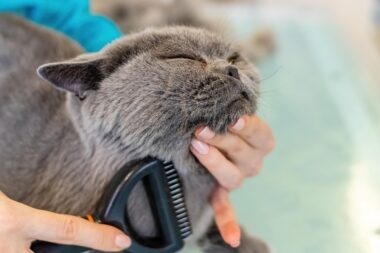
Ultimately, the foundation of training older cats rests on building a strong, positive relationship between you and your feline friend. This can be achieved through mutual trust and respect, which is particularly important in older cats who may have had negative past experiences. Building this relationship requires time and patience, understanding that every cat is different. Consistent interactions, easily recognizable routines, and steady practice can help foster this bond. Regularly engage in low-stress activities, such as gentle grooming or simply spending quiet time together; this can alleviate anxiety and promote comfort. Respect their personal space and avoid forcing interactions that may lead to stress or fear. Always prioritize their feelings during training; if your cat seems overwhelmed, take the time to backtrack the training process and start again slowly. Being attuned to your cat’s emotional needs will lay the groundwork for trust. As your training progresses, recognize and celebrate every little accomplishment together, whether it’s new behavior or just a successful session. This celebrates their participation and strengthens your bond, ultimately making training more fruitful and enjoyable.
Alleviating Stress in Older Cats During Training
Training older cats can often be a daunting task for many pet owners and caregivers. Cats are creatures of habit, and as they age, their routines become ingrained. It’s essential to approach training with a gentle hand and a keen understanding of their unique behavioral patterns. Older cats may be less adaptable to change, making it critical to ensure that the training environment is as stress-free as possible. Creating a calm atmosphere is fundamental; consider eliminating loud noises and allowing plenty of quiet spaces during training sessions. Positive reinforcement is a highly effective method in training; reward your cat’s achievements with treats, praise, or a favorite toy. Regardless of age, all cats appreciate affection and acknowledgment. Monitor their stress levels closely; signs can include hiding, excessive grooming, or aggression. When training, keep sessions short and enjoyable, never exceeding five to ten minutes. Frequent breaks allow your cat to decompress and become comfortable again before the next session. Ensuring their well-being and comfort will lead to successful behavior modifications, fostering a loving bond with your feline companion.