
Training Tools Used in Obedience Classes: What You Need to Know
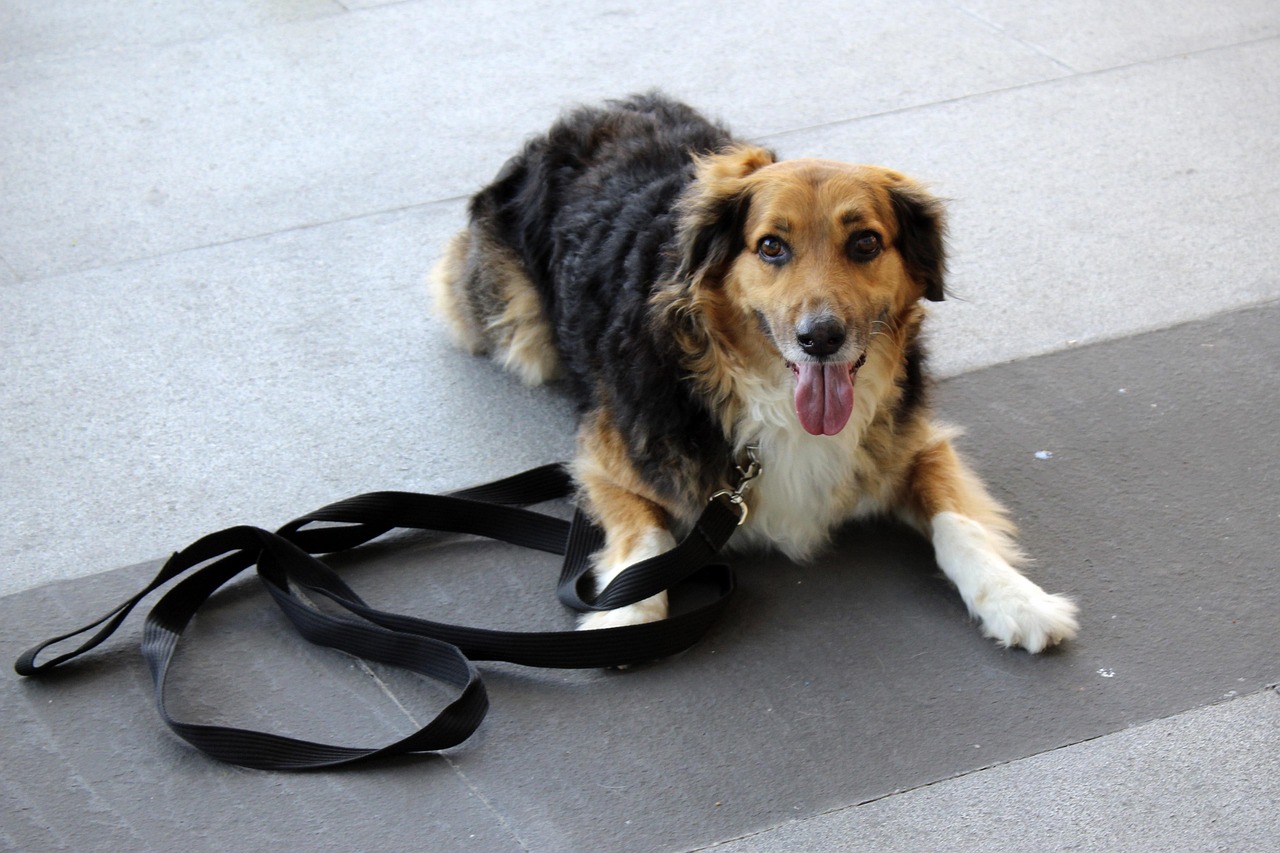
Obedience training is essential for all dogs, helping them develop good manners and building communication with their owners. Training tools play a significant role in this process, ensuring both effectiveness and safety. Commonly used tools include leashes, collars, and harnesses, which are crucial for managing your dog during training sessions. Leashes come in various materials, lengths, and styles. Choose one that provides control, comfort, and safety for both you and your dog. Collars are foundational tools, and selecting an appropriate type is vital for your pup’s training success. Consider options like flat collars, choke collars, or head halters, understanding each one’s purpose and proper usage. Harnesses may be a fantastic alternative to collars, especially for dogs prone to pulling. They distribute pressure evenly and reduce strain on your dog’s neck. Training aids like clickers can also be beneficial, offering a clear, consistent way to mark desired behaviors. Additionally, treat pouches are handy for carrying rewards, allowing you to reinforce positive behavior effectively. By understanding and choosing the right tools, you can enhance the obedience training experience for both you and your dog.
Another essential aspect of obedience training is using positive reinforcement. This approach builds a strong bond between you and your dog while encouraging good behavior. Consistency is key, so ensure you reward your dog immediately following a correct behavior. Training treats should be small, soft, and easy for your dog to chew quickly. Popular options include low-calorie soft treats or small bits of cooked meat. Alongside treats, using praise and affection reinforces behaviors effectively too. Your dog thrives on positive feedback, so vocal encouragement or gentle pets can complement treat rewards. Additionally, consider using various training tools designed to assist in your sessions. For instance, long lines can provide more freedom while offering you control, allowing your dog to explore and engage yet remain focused during training. Another helpful tool is the raised platform, which encourages dogs to learn self-control and focus during training exercises. Remember that training takes time and patience, and every dog learns at their pace. By remaining engaged and utilizing training tools effectively, you can create a rewarding environment for your furry friend, promoting growth and improving their obedience skills over time.
Safety Equipment for Training
Safety equipment is an integral part of any dog’s obedience training arsenal. Not only do these tools ensure your dog’s safety during lessons, but they also provide peace of mind for you as a trainer. Essential tools include adjustable collars that offer a secure fit for various neck sizes but should always be used properly to avoid injury. It’s crucial to periodically check for excessive tightness or wear and replace collars when necessary. It’s also advisable to use padded leashes or harnesses, which distribute pressure to prevent discomfort during training. In addition to these, consider using a sturdy training vest if you’re conducting group sessions. These vests increase visibility and help identify trainers among multiple dogs. Additionally, teaching your dog to understand the leave-it command can be a crucial safety tool in preventing accidents during outdoor training. This command can redirect attention from potentially hazardous items, ensuring a safer environment. Safety should never be compromised, as a well-equipped training session can greatly influence overall learning results.
Another important aspect to explore is the use of training aids. Tools such as standard training clickers, vibrating collars, or remote trainers can help enhance the learning experience. These gadgets encourage communication between you and your dog, creating clarity in commands. Make sure to use these devices appropriately and ethically. Begin with basic commands and gradually move to complex tasks when your dog demonstrates a clear understanding. Furthermore, incorporating daily training sessions using various tools helps reinforce learning consistently. Regular practice ensures your dog retains skills, acquires new ones, and reduces boredom. Challenge your dog’s abilities in fun, engaging ways. Consider utilizing interactive toys that stimulate their minds, adding variety to your obedience training routines. Games like hide-and-seek or agility drills can make training feel less like a chore and more like a rewarding experience. By thoroughly embracing and experimenting with the available training tools, you can tailor sessions to your dog’s unique needs, preferences, and learning styles, maximizing their potential and enhancing the bond you share.
Behavioral Adjustments with Tools
Tools used in obedience training also play a significant role in making behavioral adjustments. Understanding your dog’s specific behavioral traits helps when selecting tools that address certain issues. For example, if a dog tends to jump excessively, a no-jump harness may help teach impulse control. Additionally, some dogs struggle with anxiety during training; using a calming vest can help alleviate their stress and create a comfortable training environment. Identifying the appropriate tools can contribute significantly to overcoming behavioral challenges. As you train, it’s essential to measure responses to each kind of tool, adjusting as necessary based on your dog’s behavior. Leveraging aids like calming pheromone collars may also assist in nurturing a calm atmosphere during obedience classes. Moreover, pairing classical music or ambient sounds with training sessions can have surprising benefits. Research shows that calm music helps lower a dog’s stress and anxiety levels, promoting quicker learning. Monitoring and adapting your strategy can substantially impact a dog’s behavior positively. This adaptive approach allows you to maximize the effectiveness of your obedience training and strengthen the dynamic between you and your beloved pet.
Engagement is pivotal during obedience training, and utilizing an arsenal of tools can keep your dog motivated and eager to learn. Explore incorporating puzzle toys as distractions during training breaks that add playful elements while reinforcing cognitive development. Additionally, using various scents can create a captivating learning atmosphere, as dogs naturally thrive on their olfactory senses. Consider using scent trails or specific items during your training to engage your dog actively. Another dynamic tool is a clicker, which marks successful behaviors with a sharp sound, effectively facilitating learning through positive reinforcement. The click creates a connection between the action and the reward, facilitating faster comprehension for your dog. Keep training sessions short to maintain your dog’s enthusiasm and focus, allowing for multiple short sessions rather than one lengthy one. Regularly change the activities and tools used during training to keep your dog excited and challenged. Remember that fun plays a pivotal role in effective training, encouraging a positive relationship and an eagerness to learn. By mixing engaging activities with the right training tools, you’ll achieve excellent results in your dog’s obedience training.
Choosing the Right Tools
Selecting the appropriate tools is essential in achieving the best results during obedience training classes. Your dog’s size, breed, and age should influence your choices. For instance, smaller breeds may require lightweight collars and harnesses designed for comfort and security, while larger breeds sometimes need sturdier options. Additionally, consider your dog’s temperament; a shy or anxious dog often benefits from softer, non-confrontational training tools. When visiting your local pet store, take the time to explore the various options while seeking guidance from knowledgeable staff. They can help you identify quality products tailored to your dog’s unique needs. Further, don’t forget the importance of safety features in collars and harnesses, such as breakaway mechanisms or reflective materials for nighttime visibility. Reading customer reviews can provide valuable insights concerning the performance and durability of each tool, ensuring you invest wisely in your training toolkit. Remember, investing in high-quality training tools can provide long-term benefits for your dog. The better your equipment, the more successful your training journey can become.
In conclusion, ensuring effective obedience training requires understanding various tools and their appropriate applications. From leashes and collars to harnesses and training clickers, each tool plays a distinct role in shaping your dog’s behavior. Consistency and positive reinforcement remain paramount principles in training while utilizing proper tools. Regular practicing, experimenting, and adapting your chosen methods will enhance your dog’s learning experience. Keep the sessions engaging and relaxed, promoting a healthy bond between you and your pet while contributing to their overall well-being. Remember to emphasize safety and comfort when selecting tools, as these foster a conducive learning experience. By leveraging your knowledge of these essential tools, continuously discovering effective techniques, and investing in your dog’s education, you can help them grow into well-behaved, sociable pets. Ultimately, embracing an enjoyable, rewarding training experience can strengthen your dog’s obedience skills and lead to a lifetime companionship. Make the most of your obedience training classes by arming yourself with the right tools and a positive attitude, ensuring both you and your dog thrive together.