
How Exercise Enhances Your Dog’s Metabolism to Combat Obesity
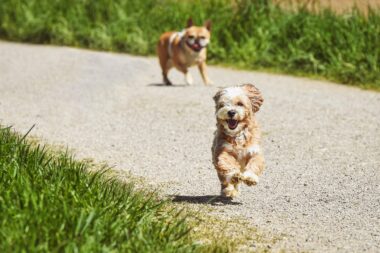
Canine obesity is a growing concern for many dog owners. It can lead to several health issues, including diabetes, arthritis, and a decreased lifespan. Regular exercise plays a crucial role in managing a dog’s weight. Metabolism refers to how efficiently the body converts food into energy. When dogs engage in physical activity, their metabolic rate increases, leading to better energy utilization. Increased metabolism means more calories burned, helping dogs maintain a healthy weight. Engaging in consistent exercise not only aids weight management but also strengthens muscle mass. This is vital for overall health and well-being. Dogs with higher muscle mass tend to have a lower fat percentage. Moreover, exercise stimulates vital hormones that facilitate fat burning. This reduces the likelihood of obesity developing in the first place. Various activities, including walks, fetch, and agility training, can provide mental stimulation as well. Mental engagement is equally important as it prevents boredom and reduces stress eating. Thus, incorporating regular physical activity is essential in preventing canine obesity. It contributes to a dog’s overall vitality and happiness, ensuring a longer, healthier life for your beloved pet.
Understanding how to promote a healthy lifestyle for dogs involves recognizing the significance of their daily exercise regimen. Different breeds require varying levels of physical activity. For example, sporting breeds like Labradors need much more exercise compared to smaller or less active breeds. Tailoring exercise programs to your dog’s breed and age is important. Younger dogs usually have more energy and benefit from rigorous activities. In contrast, older dogs may need gentler walks or swimming exercises to avoid injury. Even within one breed, individual differences can influence exercise needs. Engaging in a variety of activities helps to prevent monotony and encourages sustained interest. Beyond physical health, exercise greatly benefits dogs mentally. It allows dogs to explore their surroundings, which can stimulate their senses. Activities like running in a safe area, walking on different terrains, or participating in interactive play enhance their physical and emotional well-being. Moreover, group activities with other dogs promote socialization, which is essential for mental health. Always ensure water availability during exercise and consider climate conditions. Regardless of their age or breed, a regular exercise routine is paramount for maintaining an active, engaging, and balanced life for your furry family member.
The Importance of Consistency in Exercise
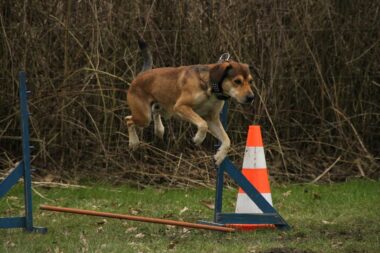
Establishing a structured exercise schedule is vital for managing canine obesity effectively. Consistency fosters routine and makes it easier for pet owners to monitor their dog’s activity levels. Dogs thrive on routine, making it essential to set specific times for walks and play sessions. Consistent exercise also helps maintain motivation for both the dog and owner. Incorporating different activities, such as fetch or agility training, keeps workouts exciting and less predictable. This variety not only engages physical muscles but also stimulates mental challenges. Additionally, it allows for bonding time between dogs and their owners, which contributes to a stronger relationship. Gradually increasing the intensity and duration of exercise sessions can promote better stamina and fitness levels. Tracking the progress through walks, runs, or other activities can be beneficial. Using dog trackers or simple pedometers can give insights into activity levels. If your dog becomes tired or shows signs of exhaustion, adapt the routine to suit their needs. This flexibility ensures your dog enjoys workouts while benefiting from improved metabolic function. An exercise routine that focuses on consistency contributes significantly to combatting obesity and achieving long-term health.
Challenging weather conditions can complicate outdoor exercise plans. It’s essential for dog owners to adapt to these circumstances while ensuring their pets remain active. During hot summers, schedule outdoor activities in the cooler parts of the day, usually early morning or evening. Hydration should be prioritized, as warm temperatures can lead to overheating. On the other hand, during winter months, dogs require protection from cold weather. When exercising in frigid temperatures, consider doggie coats or boots to protect sensitive paws. Indoor activities can serve as alternative exercise methods. Games of hide and seek or training sessions can challenge dogs mentally and physically. Additionally, using interactive toys or puzzles keeps dogs engaged while fostering their problem-solving skills. Indoor agility courses can also provide fun and effective workouts during inclement weather. Ensuring constant stimulation—both physical and mental—is crucial. Utilizing outdoor and indoor opportunities helps pets keep healthy, regardless of the weather. Owners should get creative and find ways to incorporate exercise into their daily routines, making it fun for both their dog and themselves.
Nutrition’s Role in Exercise and Metabolism
Proper nutrition pairs with consistent exercise, creating a powerful strategy for preventing canine obesity. Just like humans, dogs require a balanced diet to fuel their metabolism and support their activities. High-quality dog food with appropriate nutrients provides the energy necessary for exercise. Always consult with a veterinarian to determine the most suitable dietary choices based on your dog’s age, breed, and health condition. An effective feeding schedule, along with exercise routines, enhances metabolism and energy expenditure. Guidelines recommend measuring food portions to avoid overfeeding. Limiting treats and providing healthy alternatives can contribute to developing habits for maintaining a healthy weight. Incorporating fresh vegetables or fruits can also provide nutritious snack options. Remember to consider the calorie intake associated with dog treats to keep everything balanced. Observing their body condition and overall well-being plays a significant role in adjusting their diet and exercise frequency. Regular veterinary check-ups help track your pet’s weight and health status. Combining proper nutrition with regular physical activity results in optimal metabolism management. An active lifestyle makes for a happier, healthier dog, free from complications associated with obesity.
Socializing with other dogs through exercise promotes both physical and mental health. Group walks, visits to dog parks, or playdates create enjoyable experiences for dogs. Being around their peers allows dogs to express natural behaviors, including playfulness and curiosity. Social interaction can lead to reduced anxiety and improve emotional stability while letting dogs demonstrate good behavior and adaptability. A well-rounded social environment is beneficial for developing a dog’s character and temperament. Additionally, engaging in activities such as group training classes further enriches their social skills. These situations enable dogs to learn how to interact properly with other animals and humans. The stimulation from social experiences extends beyond simple play. Moreover, dogs become more confident and secure in their surroundings. Dog owners should actively facilitate opportunities for socialization, leading to well-adjusted pets. Providing a balance of individual exercise needs and social activities enhances overall well-being. Furthermore, teamwork with fellow dog owners cultivates a sense of community and support for ongoing health goals. Through social exercise, both dogs and their human companions can foster closer bonds, thus enhancing life quality for everyone involved.
Monitoring Your Dog’s Health Progress
Regularly assessing your dog’s health and fitness levels is crucial for adjusting exercise routines. Dog owners should be observant of significant changes in their pets, such as weight changes or alterations in behavior. Weighing dogs periodically can provide valuable insights into their health during exercise routines. If weight loss is slower than expected, adjustments to the activity plan or diet may be necessary. Many dog owners find it beneficial to keep a journal or log to monitor exercise sessions. Documenting success and challenges can serve as motivation for both dogs and owners. Observing your dog during activities helps identify which exercises they enjoy the most and may lead to better results. Monitoring changes in their energy levels during and after workouts indicates whether adjustments are needed. Furthermore, regular check-ups with the veterinarian can offer professional guidance. They can recommend exercise programs tailored to your dog’s needs and ensure everything from diet to health checks aligns with their exercise plan. A proactive approach to monitoring keeps your pet on track toward a healthier lifestyle, effectively combating obesity, and ensuring a happy, thriving companion.
Conclusion
In conclusion, exercise is a fundamental aspect of maintaining a dog’s health and preventing obesity. Regular physical activity enhances metabolism while promoting overall well-being. Exercise routines adapted to different breeds and lifestyles can boost energy levels and provide mental stimulation. Encouraging a well-balanced approach to nutrition alongside exercise fosters optimum health. Creative solutions such as indoor activities and social plays can keep dogs engaged throughout the year. Understanding the challenges posed by canine obesity allows for effective prevention strategies. Close monitoring and consistent sharing of experiences can support ongoing health improvements for pets. Implementing a comprehensive plan that includes exercise, nutrition, and social interaction leads to a happier and healthier dog. Prioritizing their health ensures owners and pets can enjoy many cherished moments together. Taking the time to establish routines and assess progress advances the overall journey towards a fulfilling life. Exercise is not just a tool to combat obesity; it strengthens the bond between humans and dogs. Knowing the importance of these elements empowers dog owners to make informed decisions for their furry companions. Your dog’s vitality depends on your commitment to fostering an active and healthy lifestyle.