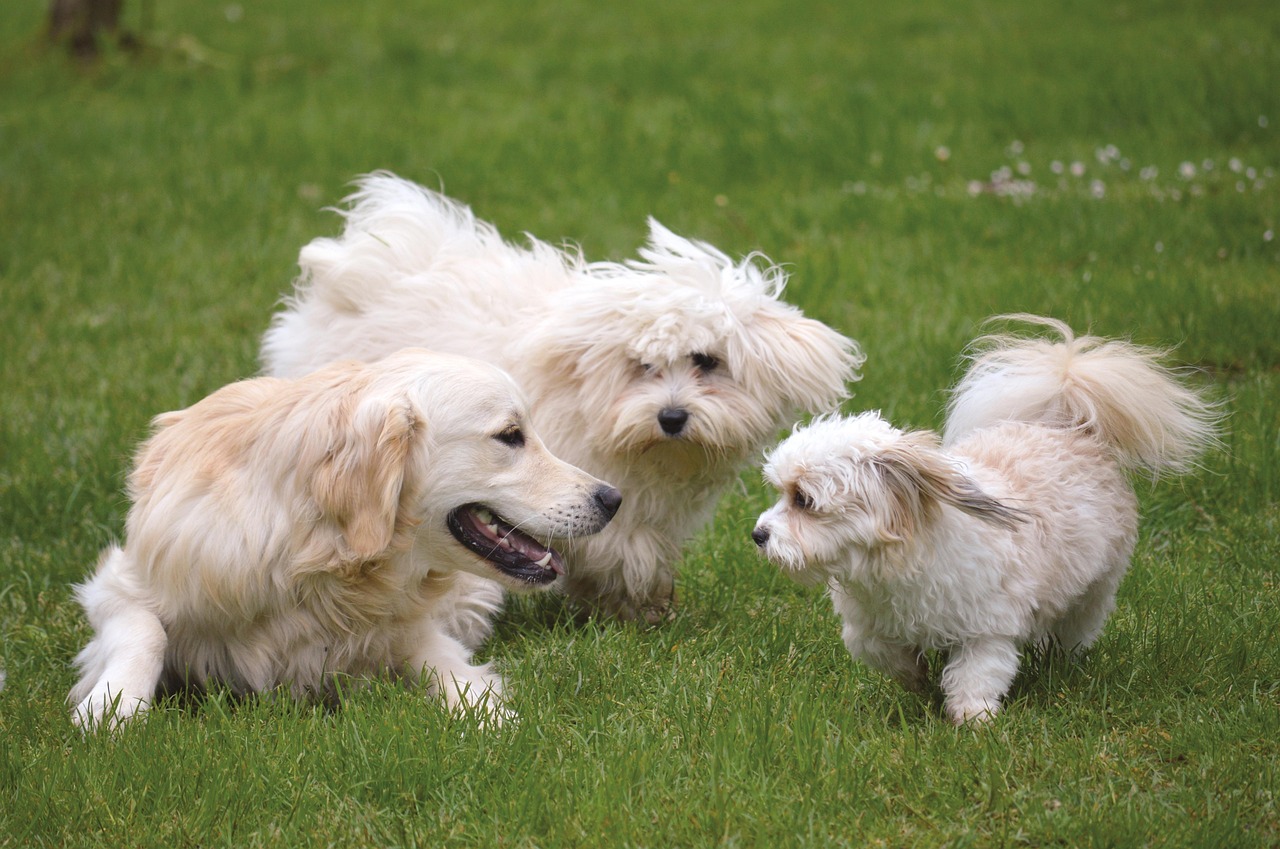

Why Socialization is Crucial for Your Dog’s Wellbeing
Understanding dog socialization is essential for every dog owner. Proper socialization enables dogs to develop good behaviors and reduces the risk of aggression or anxiety. It helps your canine adapt to various environments, sounds, and interactions with other pets and humans. Socialization should begin early in a dog’s life, ideally between three to fourteen weeks, though older dogs can still learn. Moreover, socializing isn’t just about exposing dogs to other animals; it also includes positive experiences with different people and settings. This exposure builds their confidence and makes them less fearful of new situations.
A well-socialized dog is not only happier, but they also contribute to a happier home environment. Well-adjusted dogs reduce stress and anxiety levels in their owners, creating a more harmonious living situation. When dogs are socialized, they are less likely to engage in destructive behaviors that stem from fear or boredom. Moreover, such dogs are typically more adaptable to changes, such as moving to a new house or welcoming a new family member. Engaging your dog in social activities fosters a bond between you and your pet. This bond is crucial for a trusting relationship.
The benefits of dog socialization extend beyond just the pet’s wellbeing. When dogs behave well in social situations, they are more accepted in public spaces, leading to more outings and adventures with their owners. This social acceptance feels gratifying for the owner too as they enjoy the companionship of their dog without the stress of possible negative reactions from others. Furthermore, engaging in socialization often leads to new friendships among fellow dog owners, creating a community around shared interests and experiences. Joining dog parks or training classes can enhance this social aspect.
The Importance of Early Socialization
Socialization should be prioritized during a dog’s formative years. Early exposure to a variety of stimuli helps prevent behavioral problems later on. Dogs that aren’t socialized during these critical periods may develop fear or aggression towards unknown situations or beings. This fear can become problematic in family settings or public places. Dog owners must be proactive by introducing their pets to diverse experiences safely. It involves allowing them to meet other dogs of varying sizes and temperaments while observing appropriate behaviors to instill. This methodology will help your dog feel safe and confident.
Moreover, regular interaction with different people ensures dogs become comfortable with various human traits. This exposure includes encounters with children, seniors, and people with unique appearances or sounds such as glasses or walking aids. Each positive experience teaches your dog to trust and embrace new situations rather than shying away from them. Training sessions focused on socialization can also instill valuable commands that reinforce good behavior in public. A dog that can listen and follow commands is often a happier companion and less prone to mischief.
Ways to Socialize Your Dog
There are numerous ways to socialize your dog effectively. Gradual introductions in controlled environments are advisable, ensuring the experience is positive. Consider leash walks where your dog encounters other dogs and people systematically. Dog parks can also provide a rich environment for socialization, but owners must always supervise their dogs. Puppy classes or obedience training sessions allow dogs to learn desirable behaviors alongside other pets and humans. Participation in events such as pet-friendly gatherings helps foster a sense of community. Celebrating these positive experiences strengthens your dog’s ability to interact healthily.
It’s crucial to recognize signs of stress or fear during socialization. If your dog displays anxiety, take a step back and reassure them with calm energy. Sometimes, gradual exposure is necessary to build their confidence in new situations. Always use positive reinforcement techniques to reward good behaviors when socializing. This method encourages your dog to embrace new experiences positively. Incorporating short sessions with treats enhances the socialization process, associating new encounters with good feelings and rewards. Creating a positive atmosphere ensures successful socialization for all dogs involved.
Finally, dedication and consistency are vital in socializing your dog. Establishing a routine that includes regular social interactions helps solidify the lessons learned. Remember, socialization is an ongoing process; new experiences can arise at any age. Regular visits to parks, new walking routes, and playdates can contribute greatly to their social skills. Over time, you’ll notice your dog becoming more confident, calm, and well-adjusted in various situations. The efforts you put into socializing your dog will positively impact their quality of life while encouraging healthy relationships with different people and pets.