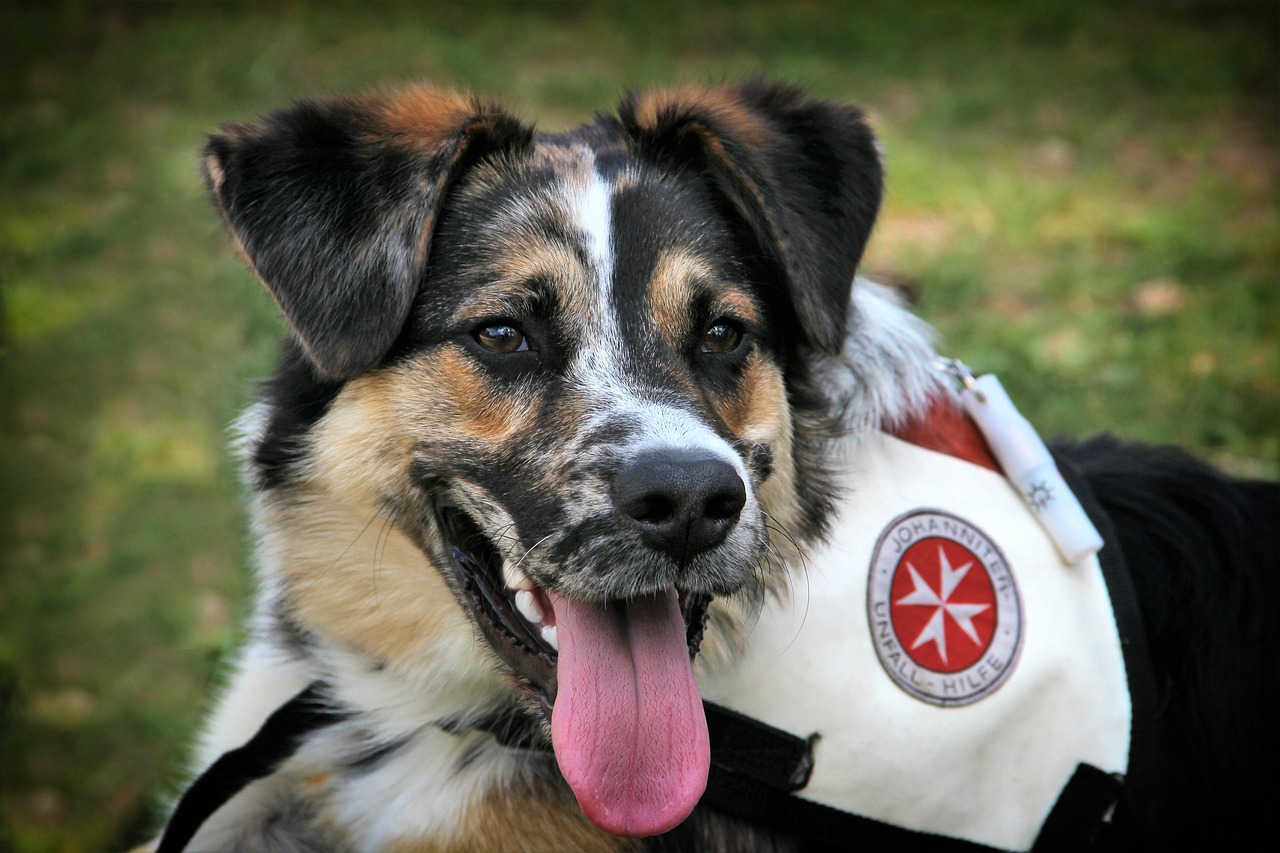

The Importance of Ongoing Training in Dog Rescue Organizations
Ongoing training is essential within dog rescue organizations for many reasons. By ensuring that volunteers and staff engage in regular training sessions, organizations can provide the best possible care for animals in need. Trained personnel are better equipped to handle various situations that may arise during rescue operations. Additionally, fostering a culture of continuous learning can lead to improved efficiency and better outcomes for the dogs. Workshops can focus on behavior management, health care, and rehabilitation techniques that are vital for these dogs’ wellbeing. The more knowledge and skills the staff possess, the safer the environment becomes for both the animals and the staff. Moreover, ongoing education can help volunteers feel more confident in their roles, thereby improving job satisfaction and retention rates. Strong relationships between team members are also cultivated through shared learning experiences. In summary, consistent training practices create a proficient, confident, and cohesive team committed to the rescue’s mission, ultimately making it more effective in its efforts to help dogs find permanent homes. This essentially translates into happier dogs and a more productive organization.
In dog rescue, understanding canine behavior is paramount. Regular training workshops can greatly enhance this understanding, equipping volunteers with crucial behavioral insights. For instance, recognizing signs of stress, anxiety, or other emotional issues in dogs allows rescue staff to respond appropriately. By interpreting the behaviors of dogs effectively, rescue organizations can prioritize their needs and enhance their quality of life. These workshops often incorporate practice scenarios where participants can observe and discuss behavioral cues with experienced trainers. The knowledge gained from such hands-on experiences significantly impacts the staff’s ability to approach and train dogs in a manner that reduces stress and fosters trust. Additionally, training in behavioral assessments can also aid in choosing the right families for dogs, ensuring a suitable and loving environment for adoption. Many organizations utilize these workshops as opportunities for networking and sharing best practices, contributing to a more unified approach to dog rescue. The ripple effects of improved understanding can be vast, shaping not only the future of the animals but also strengthening the community around these organizations committed to saving lives.
Health care knowledge is another vital area where ongoing training plays a crucial role. Rescued dogs often come from distressing situations, and their health care needs require an informed team. Conducting workshops that focus on veterinary basics, nutritional needs, and common illnesses empowers staff to act swiftly and effectively. Accidents or medical emergencies can arise unexpectedly, and a team well-versed in basic first aid can make a significant difference. Having the ability to recognize early symptoms of illness is essential in safeguarding the dogs’ health. Moreover, regular training keeps the team updated with the latest veterinary practices, such as vaccinations and preventive care. Discussing case studies during training sessions allows organizations to learn from past experiences and avoid potential pitfalls in care. This degree of preparedness not only benefits the dogs in their care but also alleviates the stress volunteers may feel during emergencies. Workshops can also facilitate discussions around fostering relationships with local vets, vital for ensuring that medical attention is readily available. Overall, increased health care knowledge translates to improved outcomes for rescued dogs and enhances overall organizational efficiency.
Emotional Support and Rehabilitation
Another important aspect of ongoing training is emotional support and rehabilitation for dogs. Many rescued dogs have endured trauma, making it essential for organizations to equip their staff with the skills needed to address these issues. Workshops focusing on emotional recovery techniques, anxiety reduction, and building trust can profoundly impact a dog’s journey to recovery. Training volunteers to foster a calm and nurturing environment significantly aids in a dog’s overall rehabilitation process. A positive approach can encourage dogs to open up and learn how to interact with humans and other pets in a healthy manner. Additionally, hands-on workshops may include collaboration with behavior specialists, offering a well-rounded perspective on rehabilitation practices. Learning specific techniques, including desensitization and counter-conditioning, builds volunteers’ ability to manage dogs with challenging behaviors. This fosters an environment where dogs feel safe, promoting their emotional health. Moreover, educated staff can better advocate for the dogs’ needs, ensuring they’re matched with suitable adopters who understand their emotional journeys and are prepared to support them long-term.
Training also encompasses foster care and networking, essential components for successful dog rescues. Providing workshops that focus on the intricacies of fostering dogs helps volunteers prepare for the challenges and rewards that come with this crucial task. Focused sessions can outline best practices in fostering, including how to integrate dogs into home environments, coordinate schedules, and communicate with potential adopters. Real-life stories shared by experienced fosters can motivate new volunteers, helping them to navigate the emotional aspects of fostering. Communication between rescue organizations and foster families strengthens partnerships and creates a supportive network for high-stress situations. Workshops can serve as a platform for fostering teams to connect and share resources, improving the overall effectiveness of the rescue effort. Networking with other organizations can also provide insights into collaborative rescue efforts, which can lead to better resource allocation and more successful adoption initiatives. Ultimately, an informed and cohesive fostering network can amplify the organization’s impact, allowing more dogs to find loving homes and increase overall success rates.
Community Engagement and Public Education
Ongoing training in dog rescue organizations is not limited to just internal staff. Engaging the community through educational workshops can outreach the importance of dog adoption and responsible ownership. Setting up community events where the public can learn about training techniques, canine care, and adoption procedures fosters a more informed society regarding dog welfare. These events not only promote community involvement but also enhance the organization’s visibility and credibility. Moreover, teaching potential dog owners about behavior and basic needs can contribute to reducing the number of dogs returned to rescues after adoption. Well-informed owners spread the message further, creating advocates for rescued dogs. Public workshops can cover topics such as puppy training, socialization, and the importance of regular vet visits. Partnering with schools, businesses, and community centers can facilitate reaching diverse audiences and enhancing understanding. This collaboration encourages shared responsibilities among community members, ultimately leading to smaller strays populations and more successful adoption stories. With a responsibility-driven community, the journey of rescue dogs becomes interconnected with the lives and hearts of their surrounding neighbors.
In conclusion, the necessity of ongoing training in dog rescue organizations is evident. By investing in continuous learning, organizations help their teams to provide excellent care and rehabilitation for the dogs they rescue. Volunteers and staff become more knowledgeable in various aspects, raising their confidence and effectiveness. This commitment ultimately leads to improved outcomes for dogs and strengthens the organizational culture. A well-trained staff can improve the quality of care while fostering a collaborative atmosphere that benefits everyone involved. Training cultivates champions for the cause, ready to advocate for the dogs at every opportunity. Moreover, as organizations enhance their community outreach efforts, they create lasting relationships with potential adopters and supporters. This cycle of education and fulfillment enriches not only the staff and volunteers, but the community as a whole. As these organizations continue to grow and adapt, the importance of ongoing training remains a cornerstone of successful dog rescue efforts, directly impacting the quality of life for countless dogs seeking forever homes. Ultimately, this dedication to holistic training practices ensures a brighter future for both the dogs and the communities they inhabit.
With ongoing training, the mission of dog rescue becomes a shared journey of learning and compassion, transforming lives through education and commitment.