
Canine Sports That Promote Teamwork Among Dogs
Canine sports are not just about competition; they emphasize teamwork among our dogs. Engaging in activities like agility or flyball allows dogs to collaborate and connect with both humans and their canine peers. These sports cultivate important social skills and enhance communication, fostering canine camaraderie. When dogs participate together, they learn to rely on one another, developing trust and cooperation, essential qualities in any team. Furthermore, these interactions promote positive behaviors and reduce anxiety in social settings. Socialization through structured activities helps dogs become more confident and comfortable around unfamiliar dogs and humans. Moreover, games involving teams require each dog to play a role, highlighting their unique strengths and encouraging them to embrace their distinctive abilities. Watching dogs navigate obstacles as a cohesive unit is a delightful experience. Each leap or dash strengthens their bonds, showcasing their willingness to work together. This harmonious collaboration not only benefits the dogs’ mental health but also creates lasting friendships, making these sports invaluable for developing social skills within canine communities. In sum, canine sports are an excellent approach to foster teamwork and enrich the lives of our furry friends.
Agility Training and Its Impact on Social Skills
Agility training stands out in promoting teamwork among dogs. Participants must navigate a series of obstacles like tunnels and jumps, demanding both precision and collaboration. As dogs work together to clear each challenge, they develop confidence and enhance their social interactions. This training cultivates a supportive environment where dogs can observe and learn from one another. During these sessions, handlers play a crucial role in guiding their dogs, which reinforces the bond between them. The shared experience fosters a sense of achievement that generates positive reinforcement. Dogs quickly learn to communicate not only with their handlers but also with their fellow canines. Synchronized movement through challenging courses highlights each dog’s unique strengths and capabilities. For example, a dog skilled in agility may inspire others to improve their skills. This collaborative atmosphere encourages healthy competition and builds trust among participants. Handlers also benefit from this teamwork by sharing tips and experiences, enhancing their training techniques. Consequently, agility trainees foster an inclusive community vibe, which can extend beyond the practice sessions. Friends become united through their dogs’ achievements, creating a supportive network for both dogs and their owners.
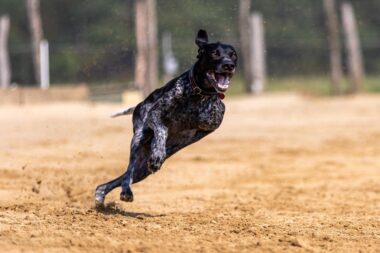
Flyball is another fantastic dog sport that stresses teamwork among participants. In flyball, teams of four dogs compete relay-style, racing over hurdles to retrieve a tennis ball before flying back. This sport requires impeccable timing and coordination, as each dog must successfully complete its run for the team to succeed. The connection and teamwork that develop between dogs and their handlers are vital in achieving victory. As dogs race against each other, they demonstrate determination and drive, but more importantly, they learn to depend on their teammates. Frequent practice sessions create a supportive environment where dogs can build friendships, further enhancing their social interactions. Establishing a strong bond between dogs not only enriches their experiences during training but also results in improved performance at competitions. Another interesting aspect of flyball is how dogs respond to their partners’ cues. Handlers learn to communicate effectively, ensuring their dogs understand the timing of each leg of the race. Additionally, socializing with other teams at events encourages diversity and exposure to various dog breeds, nurturing an inclusive atmosphere. Overall, flyball unites canine athletes and promotes teamwork through camaraderie, improving dogs’ social skills and connections.
Disc dog training is yet another exciting sport that enhances teamwork skills among dogs. This activity involves dogs catching flying discs, combining physical fitness with mental stimulation. It thrives on the collaboration between dogs and their handlers, showcasing teamwork in action. Both players must anticipate each other’s movements to ensure successful catches, enhancing their bond. As dogs chase after the discs, they experience a surge of excitement and joy, reinforcing positive behaviors and encouraging social interactions. Additionally, participating in disc competitions allows dogs to interact with others, helping them develop confidence in various environments. Engaging in frisbee games encourages dogs to communicate non-verbally. They learn to read body language not only from their handlers but also from their peers. This understanding enriches their social skills, allowing them to adapt to different situations and partners. Moreover, disc dog events often attract diverse participants, further enhancing dogs’ social exposure. Encouraging friendly interactions with different breeds and sizes helps reduce anxiety and fear in social situations. This collaborative sport fosters a fun and supportive environment, proving that teamwork is essential for success. Overall, disc dog training enhances communication among dogs and strengthens their connections with one another.
Rally obedience is another excellent canine sport that prioritizes teamwork and communication. In rally obedience, dogs navigate a course featuring various signs that signify specific tasks. This sport emphasizes a harmonious partnership between handler and dog as they work together to complete the course successfully. Dogs learn to interpret their handlers’ cues while also practicing key obedience skills, ultimately enhancing their socialization. The emphasis on teamwork fosters trust, allowing dogs to feel secure while they learn and perform together. As a result, both handler and dog exchange positive reinforcement, which bolsters their confidence and creates a shared sense of accomplishment. Beyond skills and commands, rally obedience encourages dogs to observe and interact with fellow participants. This not only strengthens their social skills but also implements camaraderie among team members. Engaging in training environments allows dogs to build friendships and exposes them to various social settings. Furthermore, rally obedience events attract diverse breeds, creating an inclusive atmosphere that enriches the dogs’ social experiences. As participants work together to overcome challenges during rallies, they form strong bonds and friendships that last beyond the sport itself. Ultimately, rally obedience showcases how teamwork can foster better communication and socialization in dogs.
Canine freestyle is an entertaining sport that pairs dance with teamwork among dogs. In this unique discipline, dogs and their handlers showcase artistic routines set to music, highlighting their bond and collaboration. This performance art allows handlers to express their creativity while fostering teamwork. As dogs learn to synchronize their movements with their handler’s cues, they experience joy and excitement in performing together. The routines develop confidence and social skills by allowing dogs to engage with others during performances. Additionally, participating in competitions creates a sense of community and connection among teams, enhancing the bonds formed during training. Dogs facing each other in freestyle also inspire learning and foster healthy competition, motivating them to improve their skills. Handlers and dogs communicate openly, enhancing their understanding of both movement and rhythm, which deepens their partnership further. Moreover, freestyle dogs often have the chance to interact with various canines at events, minimizing anxieties related to unfamiliar breeds. This exposure enriches social skills, making these dogs more adaptable to diverse settings. Ultimately, canine freestyle showcases the beauty of teamwork, artistry, and emotion, connecting dogs and their handlers in a truly remarkable way.
Concluding thoughts show that canine sports tremendously enhance teamwork and socialization among dogs. Each activity, whether agility, flyball, disc dog, or obedience training, nurtures connections between dogs and their handlers. This bond creates a supportive atmosphere encouraging mutual trust and collaboration. As dogs participate in these sports, they gain essential social skills that carry into various environments. Moreover, the friendships developed among canine competitors create a sense of community that extends beyond the training areas. As dogs learn to rely on one another during competitions, their performance improves, further reinforcing their relationships. This teamwork dynamic also translates into better handler-dog communication, leading to an enriched understanding between both parties. Furthermore, these sports help reduce anxiety and fear in social situations, making dogs more adaptable and confident in their abilities. With a range of activities available, every dog can find their niche and thrive in a team-oriented environment. In sum, incorporating canine sports into a dog’s life contributes significantly to their social growth and overall happiness, creating a well-rounded and fulfilled canine companion.