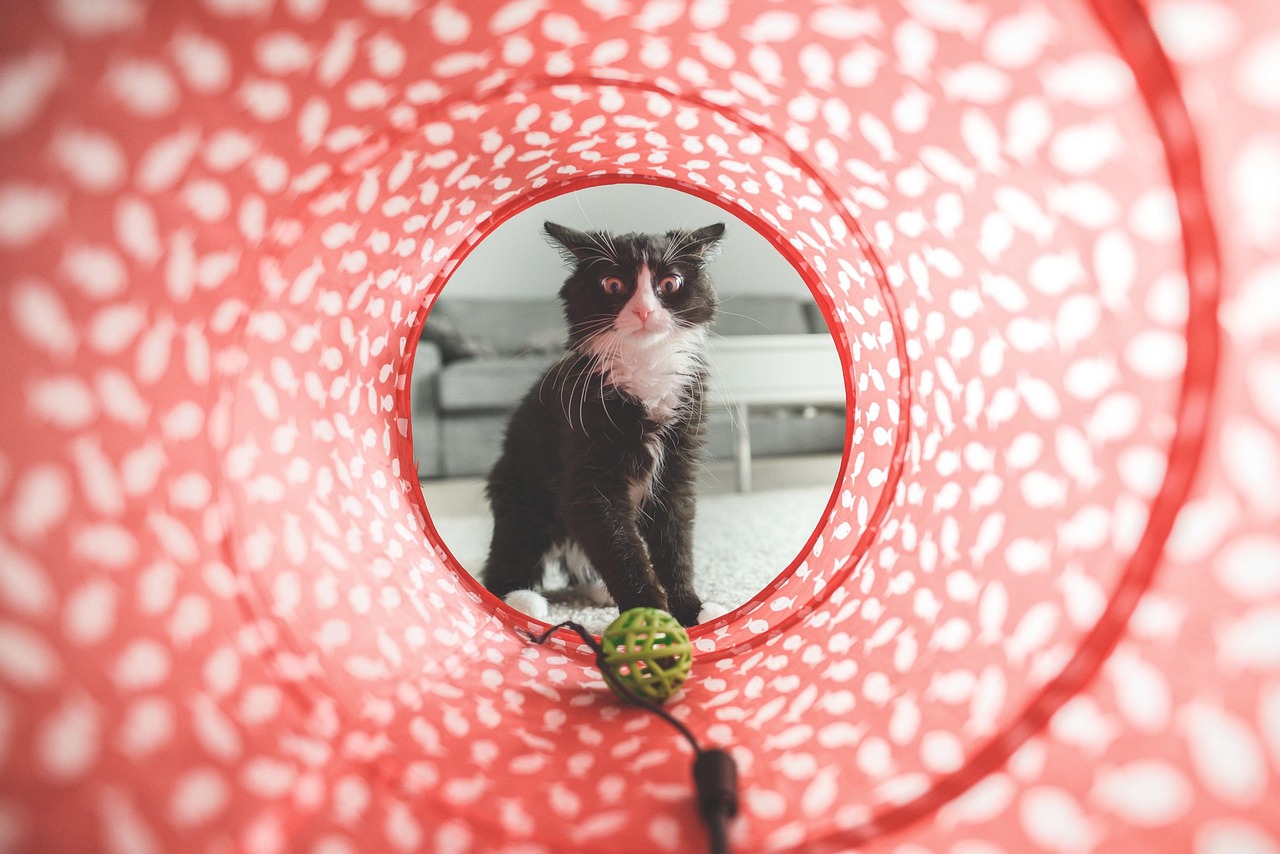

How Play Behavior Helps Reduce Stress in Cats
Understanding the behavioral dynamics of cats is critical to ensuring their overall well-being. Cats are often seen as solitary creatures; however, they have intricate social and playful behaviors that help shape their mental health. Engaging in play not only serves as a source of entertainment but also significantly contributes to their emotional stability. For instance, by offering a variety of toys, owners can stimulate natural hunting behaviors. Toys that mimic prey provide an essential outlet for cats. Safe environments facilitate play and can lead to reduced stress responses. Environmental enrichment is crucial, as a lack of stimulation can result in anxiety and unwanted behaviors. Additionally, cats benefit from play as it strengthens their bond with their human companions. An entertaining activity like a feather wand can bridge the gap between cat and owner, creating moments of connection and trust. It’s not just about physical activity; mental engagement during play also promotes cognitive health. Overall, comprehending the play behavior of cats becomes vital for mitigating stress and enhancing their quality of life in the process.
Different types of play behavior can provide insight into the mental states of cats. Cats engage in solo play and social play, each serving distinct purposes. Solo play typically involves self-entertainment through exploration. On the other hand, social play occurs during interactions with other animals or humans. Understanding the differences can help owners tailor their approach to their cats’ needs. Recognizing when your cat initiates play can indicate their emotional status. A cat that actively seeks engagement is often looking for social interaction, which can alleviate feelings of loneliness. Conversely, a cat that shies away may be stressed or anxious. Observation and response are critical skills for pet owners. Interactive play, such as toss-and-fetch games, engages a cat’s predatory instincts, ultimately providing a healthy outlet for energy. Moreover, varied play types help prevent boredom, which is crucial for maintaining mental health. Using puzzle toys can stimulate problem-solving skills, keeping the cat mentally sharp. By understanding these aspects of play, pet parents can enrich their felines’ lives and reduce anxiety and stress-related behaviors.
Identifying the right toys plays a pivotal role in helping reduce stress through play behavior. There is a plethora of options available, including laser pointers, feather toys, and interactive puzzles. Each toy type serves a specific purpose in enabling cats to express their playful nature. Toys that mimic the movements of prey capture attention, leading to healthy exercise and mental stimulation. Comfort and confidence can grow when cats explore their environments. Toys that challenge a cat, such as treat-dispensing balls, engage both mind and body, essential for it to thrive. A balance between stimulating toys and safe spaces can boost their levels of happiness. Moreover, rotating toys regularly can make playtime more fascinating, keeping cats engaged and eager for play. It’s vital to monitor how cats interact with toys to ensure safety. Some toys may pose choking hazards or may not be suitable for every cat based on size and temperament. By selecting appropriate toys, owners significantly contribute to their cat’s overall emotional wellness, paving the way for less fearful or anxious behaviors as they engage happily in play activities.
Establishing a routine involving playtime can be a helpful strategy in reducing feline stress levels. Cats thrive on predictability, which can provide a sense of security. Knowing when to expect playtime allows cats to adjust their behavior and expectations. Engaging in daily play sessions can drastically diminish stress-related behaviors like excessive grooming or hiding. Scheduled sessions create a bond between pet and owner, improving trust. Positive reinforcement can also elevate a cat’s mood significantly. When cats receive praise or treats during or after playtime, their experiences become positive memories leading to reduced stress. Owners should aim for at least 15 to 30 minutes of play each day in dedicated sessions. Incorporating different types of toys will keep the experience fresh and enjoyable. Interactive play fosters not only physical exercise but also emotional bonding, as cats learn to associate their humans with pleasure and fun. This shift in perception can lead to more relaxed behaviors outside of playtime. Therefore, establishing a routine plays a fundamental role in preventing stress, ensuring that cats feel safe and content in their home environment.
The Importance of Social Interaction
Social interactions are integral to a cat’s emotional health. Engaging in group play or simply spending time with other animals fosters confidence and lessens stress. Cats often look to establish territories, which can lead to rivalry if not properly managed. However, creating a structured play environment that encourages healthy competition can alleviate tension among pets. Providing shared spaces can allow cats to build social skills while learning the boundaries of their relationships. A multi-cat household should focus on providing ample resources, such as litter boxes and food stations, allowing each cat to have their own space. Supervised playtime can help with behavioral management, as owners can identify when situations escalate. Observing interactions offers insight into the cats’ dynamics, helping owners intervene when necessary. Moreover, adopting a second cat can enhance social play opportunities, reducing anxiety for socially inclined cats. Here, introducing new animals should be done gradually to prevent overwhelming cats. Understanding social play behavior aids owners in fostering healthy relationships, ultimately contributing significantly to reducing stress in their feline friends.
Exploring the connection between play behavior and stress can reveal valuable insights into feline welfare. Cats facing prolonged stress can exhibit issues such as aggression or withdrawal, prompting the need for behavioral interventions. Identifying the signs of distress is critical for timely action. Observing a change in play behavior can be a warning sign that something may be troubling your cat. Sudden disinterest in play, excessive vocalization, or hiding can signal stress that needs addressing. Implementing changes in a cat’s environment, including increased play opportunities, is vital. Engaging your cat in play can divert attention from stressors, promoting relaxation and joy. Consulting a veterinarian or animal behaviorist may also provide insights on specific behaviors that could contribute to stress. By identifying triggers, owners can tailor strategies that encourage healthy behavior and emotional well-being. Regular examination of your cat’s behavior will help owners differentiate between typical spacing out versus stress-induced distancing. This comprehensive understanding of stress and play will foster a more nurturing environment, enriching the cat’s quality of life.
Conclusion
Ultimately, the role of play in maintaining the mental health of cats cannot be overstated. Offering various opportunities for play enhances their emotional and psychological well-being. Interactive play helps mitigate stress by engaging cats both physically and mentally. Understanding the nuances in their play behaviors allows owners to cater to their unique needs. It’s important to recognize that each cat is an individual with varying preferences for play styles. Owners should remain observant, reinforcing positive experiences and ensuring a variety of stimulation options. Providing consistent engagement fosters feelings of safety and love, which translates to happier and healthier cats. In fostering a supportive play environment, owners not only reduce stress but also cultivate a deeper bond with their feline companions. By prioritizing play, cat parents can create the ideal sanctuary for their pets to thrive. This leads them to enjoy a stress-free, enriched lifestyle that fulfills their natural instincts and behavioral needs. Thus, play becomes an essential component of promoting mental health and happiness for our beloved feline friends.
Providing the right environment for play can have lasting effects on a cat’s mental health. Creating designated play areas, enriched with different textures and scents, can inspire natural curiosity. Utilizing cat trees, shelves, and tunnels allows cats to explore and showcase their agility while minimizing boredom. Regular interaction helps maintain engaged and active minds, which are critical for emotional stability. Additionally, providing safe outdoor experiences through supervised trips can stimulate their senses further. It’s essential to recognize that playtime isn’t simply about exhausting high energy levels; it’s a comprehensive strategy for optimal mental health. Cats require both physical activity and mental challenges, the absence of which can lead to stress. Playful interactions with caregivers foster the development of a trusting relationship, essential for reducing fear and anxiety. As cats become more familiar and comfortable within their environment, their playful behavior will emerge more readily. Understanding these principles can help owners create a nurturing environment that fosters happier cats. In summary, enriching play experiences contribute to well-rounded mental health and reduce stress for feline companions.