
Signs of Ear Allergies in Dogs and Cleaning Solutions
Dogs can be affected by a variety of ear allergies, resulting in discomfort and irritation. One of the primary signs that a dog might be suffering from ear allergies is excessive scratching or rubbing of the ears. Owners might notice their dog frequently pawing at its ears or rubbing them against furniture. This behavior can be quite alarming for many dog owners, as it often indicates an itch or pain caused by allergens. Other noticeable symptoms may include ear odor, discharge from the ears, or inflammation in the ear canal. It’s also common for dogs afflicted with ear allergies to shake their heads frequently in an attempt to relieve discomfort. Additional signs might include redness or swelling around the ears, which key symptoms of inflammation. As soon as these symptoms are observed, it is essential to consult a veterinarian to determine the underlying causes. Ignoring these signs can lead to more severe infections or chronic issues. Regular ear cleaning can significantly reduce the chances of allergens affecting your dog’s ear health. Understanding these signs helps ensure your pet remains healthy, happy, and free from discomfort.
Identifying Allergens Causing Ear Issues
Identifying the allergens causing ear issues in dogs can be challenging but crucial for effective treatment. Common allergens include environmental factors such as pollen, dust mites, and mold. Food allergies are also a common culprit, where certain ingredients can trigger allergic reactions manifesting in ear problems. To accurately diagnose these allergens, owners are advised to keep a log of their dog’s symptoms and any potential allergen exposure. For example, keeping track of when symptoms occur may help pinpoint triggers. A veterinarian may recommend allergy testing to determine specific sensitivities. It’s essential to remember that allergies can develop over time, so a previously healthy dog can suddenly exhibit symptoms. This unpredictability requires dog owners to remain vigilant about their pet’s health. Additionally, chronic inflammation and infections can develop from untreated ear allergies, leading to significant pain and discomfort. The treatment process often involves a tailored approach, which might include medications like antihistamines or corticosteroids. Avoiding allergens through environmental management can also help reduce symptoms. Consistent monitoring and proactive measures are key to maintaining a dog’s ear health.
Regular ear cleaning is paramount to managing canine ear allergies effectively. Many dog owners underestimate the importance of ear hygiene. Cleaning a dog’s ears helps remove allergens and buildup that can contribute to infections and irritation. It is essential to utilize appropriate cleaning solutions that are specifically made for canine use. Common cleaning solutions may include vet-approved ear cleansers, which are designed to flush out debris while maintaining a healthy ear environment. Alternately, some pet owners might opt for homemade solutions – like diluted apple cider vinegar or sterile saline solutions – but it’s vital to consult your veterinarian first. When cleaning your dog’s ears, use a soft cloth or cotton ball to gently wipe the visible signs of dirt or wax. Avoid inserting objects deep into the ear canal, as this can cause injury or worsening of conditions. Regular cleaning schedules may vary depending on the dog’s breed and ear shape, with long-eared breeds often requiring more frequent care. Being proactive about ear hygiene will contribute to fewer allergic reactions and reduce the likelihood of harsher treatments. Prioritize healthy ear maintenance for your dog today.
Another effective method to alleviate ear allergies in dogs is through dietary adjustments. Investigating potential food allergies might help pinpoint the source of ear problems. A hypoallergenic diet can often improve allergic responses in susceptible dogs. Consider consulting with a veterinarian or a pet nutritionist to create a tailored meal plan. This will help minimize exposure to common allergens found in commercial dog foods. Sometimes, incorporating specific ingredients like omega-3 fatty acids can assist in reducing inflammation within the body, thereby alleviating symptoms. Furthermore, ensuring your dog maintains a healthy weight can contribute to the overall wellbeing of its immune system. Proper hydration is also essential as it aids in skin health and can help reduce allergic reactions. Incorporating hydrating foods or supplements can support optimal health and improve your dog’s condition. Pay attention to any changes in behavior or symptoms with dietary modifications, as allergic reactions can manifest through various symptoms, including ear irritations. A consistent approach to diet can significantly improve your dog’s quality of life and lessen the impact of ear allergies.
Understanding the role of the environment is essential when addressing ear allergies in dogs. Many allergens, such as dust, mold, and pollen, are prevalent in various settings. Regular cleaning of the home can dramatically reduce exposure to these common irritants. Maintain allergen-free zones, especially where the dog sleeps or spends significant time. Utilizing air purifiers can help filter out airborne allergens, promoting a healthier living space for pets. Regular bathing may also assist in removing allergens from the skin and coat. Use a gentle shampoo specifically designed for dogs to avoid harsh reactions. Consider seasonal changes as well, since certain flowers and pollen levels fluctuate throughout the year. Many dog owners find that their pets react poorly to specific seasons, indicating a need for stricter environmental management during those times. Additionally, outdoor activities should be adjusted according to pollen forecasts. Being mindful of your dog’s environment and making necessary adaptations can lead to improved comfort and a decrease in allergic reactions. In conjunction with other methods, environmental management is a vital element of comprehensive ear allergy care.
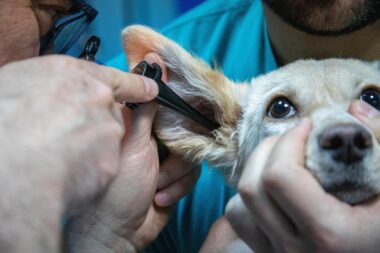
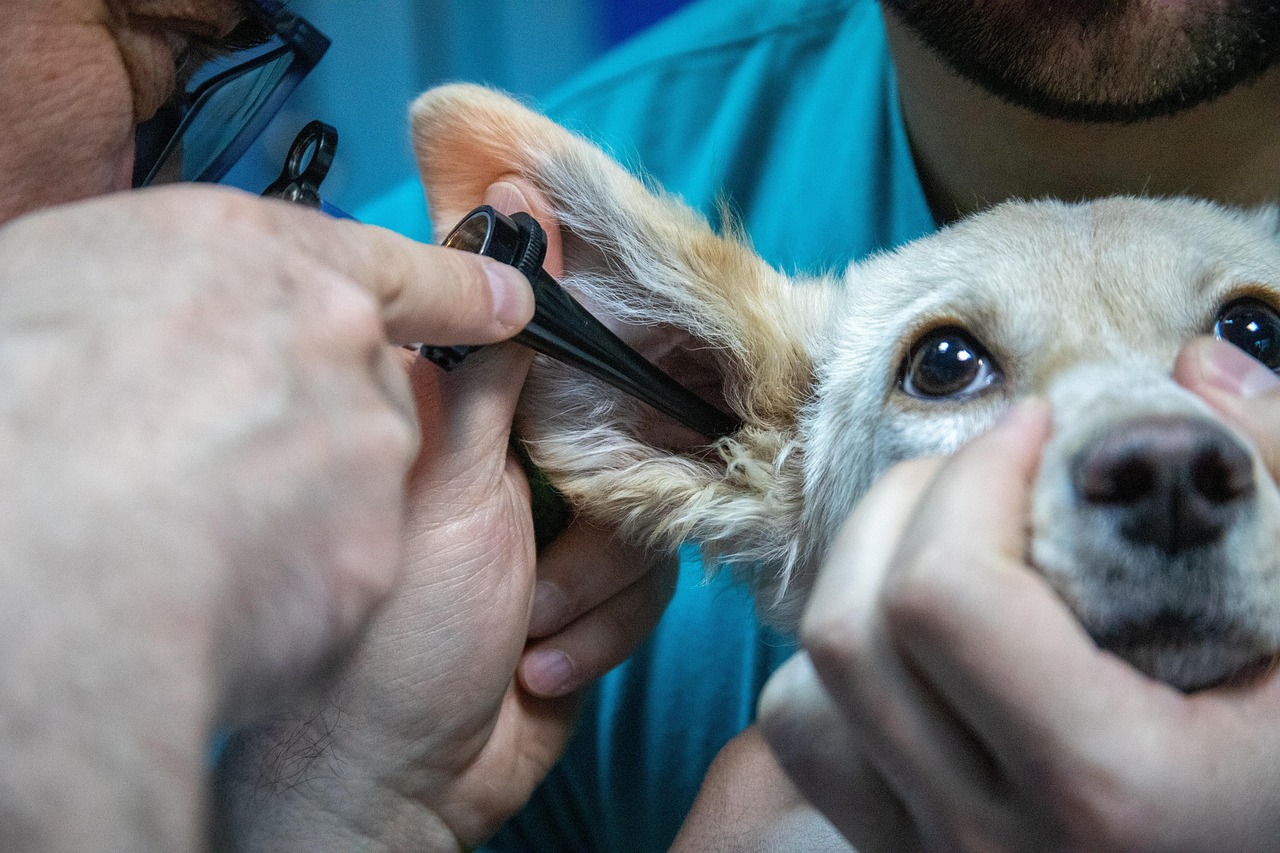
When addressing ear allergies in dogs, it is crucial to consult with a veterinarian for professional advice and treatment options. Self-diagnosis and treatment can often lead to more significant issues and hinder recovery. A veterinarian can conduct thorough examinations and recommend appropriate testing for allergies. After a diagnosis, treatment plans may include prescribed medication and recommendations for regular monitoring. Many dog owners appreciate having an expert’s guidance to navigate the complexities of canine allergies. Sometimes, the veterinarian may suggest lifestyle changes or alternative therapies to manage symptoms effectively. Regular follow-ups can help adjust treatments as needed. Important too, is the incorporation of a preventive care routine. This could involve scheduled vet visits for ear check-ups, vaccinations, and maintaining a proactive approach to overall wellness. Educating yourself about your dog’s symptoms can empower you and enhance your pet’s health. Support groups or online communities can provide additional resources and shared experiences, fostering a sense of community among dog owners. By engaging veterinarians and fellow dog lovers, you can ensure proper care for furry companions struggling with ear allergies.
In conclusion, understanding signs of ear allergies in dogs is essential for proactive dog ownership. Knowing what to look for can make all the difference in your pet’s health and happiness. Symptoms such as scratching, inflamed ears, and unusual odors are important indicators of potential issues. Regular ear cleaning, dietary adjustments, and environmental management play vital roles in combating ear allergies. Collaborating with a veterinarian enhances the treatment process and can provide tailored solutions for your dog’s unique needs. Additionally, staying proactive through regular check-ups and observing changes in behavior significantly helps in maintaining ear health. As a dog owner, your involvement is crucial in ensuring their comfort and reducing allergy-related issues. Always remember that timely action is essential in preventing minor discomfort from escalating into chronic issues. By prioritizing ear care and being informed about the potential signs, you empower yourself to make necessary changes for your dog. Enjoying a healthy, active lifestyle together is the ultimate goal. Your dog will thank you with endless licks and companionship!