
Preventing Hairballs Through Grooming and Diet
Many cat owners struggle with the issue of hairballs, which can be bothersome for both cats and their owners. One effective way to prevent hairballs is through consistent grooming. By regularly brushing your cat, you minimize loose fur, thereby reducing the amount that they ingest while self-grooming. Aim to brush your cat at least once a week, or even every day if they have long hair. Utilizing the right tools, such as a slicker brush or a comb designed for cats, can make a significant difference. Pay special attention to areas where mats tend to form, such as behind the ears and under the chin. You can reward your cat post-grooming with treats to help them associate the process with positive experiences. Additionally, regular bathing can help remove any excess fur and dirt, reducing the chance of hairballs. While grooming is key, remember that a healthy diet also plays a crucial role in hairball prevention. Provide high-quality, fiber-rich cat food to aid digestion.
In addition to grooming practices, altering your cat’s diet can greatly improve their overall hairball situation. High fiber content in cat food helps them digest fur more effectively, and can reduce the formation of hairballs. Look for foods specifically labeled as suitable for hairball control, which often contain complex carbohydrates and additional fiber. Ingredients like beet pulp and pumpkin are known to aid digestion. Some wet foods can also provide hydration, which encourages proper digestive function. Consult with your veterinarian to determine the best dietary options based on your cat’s specific needs. You may also consider supplements that promote healthy skin and hair, as these can further reduce shedding. Incorporating these dietary changes can bring about significant improvements. Meanwhile, hydration is often overlooked in managing hairballs. Ensure your cat drinks plenty of water, as this also helps digestion and reduces fur clumping inside the intestines. Additionally, providing fresh water daily is essential. You may invest in a cat water fountain, as many cats actually prefer running water. This encourages your cat to drink more and helps maintain their health.
Understanding the Role of Grooming
The act of grooming serves not only to remove loose hair but also to strengthen your bond with your feline friend. Regular grooming can be relaxing for cats and can reduce stress. It’s essential to create a quiet environment to make the experience enjoyable. Start slowly, allowing your cat to acclimate to brushes, combs, and other tools. Cats can become anxious with new sensations, so praise and treats during the grooming process encourage a positive response. Early socialization and grooming habits can lead to less resistance later on. Keep sessions short but frequent to build trust. Pay attention to areas where your cat seems to struggle, as some cats may have sensitive areas. If your cat seems particularly bothered by grooming, consult with a vet. Grooming is also a chance to check for signs of skin issues. Redness, irritation, or unusual lumps should be noted. Observing your cat closely during grooming sessions allows you to catch potential health issues early. Remember to introduce grooming to kittens from a young age, setting them up for a lifetime of manageable grooming routines.
Furthermore, the choice of grooming tools plays a significant role in making the experience pleasant for your cat. Ensure that you select brushes and combs appropriate for your cat’s coat type: long-haired cats may need specialized slicker brushes, while short-haired cats can benefit from bristle brushes. Scissors designed for safely trimming are handy for removing tangles or mats. Invest in high-quality grooming tools to ensure they’re effective and comfortable for your cat. Also, check the grooming kit for any damaged or worn-out tools, replacing them as necessary. Rotate different tools to keep your cat interested. Remember to clean your grooming tools regularly to maintain hygiene and prevent the spread of skin issues. Another helpful tool is a grooming glove that allows you to remove hair while petting your cat. This may be a less stressful option for some cats. Combining grooming with positive reinforcement can enhance the experience. Regular brushing also provides an opportunity to bond through touch and social interaction, filming a picture of a nurturing environment and fostering trust.
Recognizing Signs of Hairballs
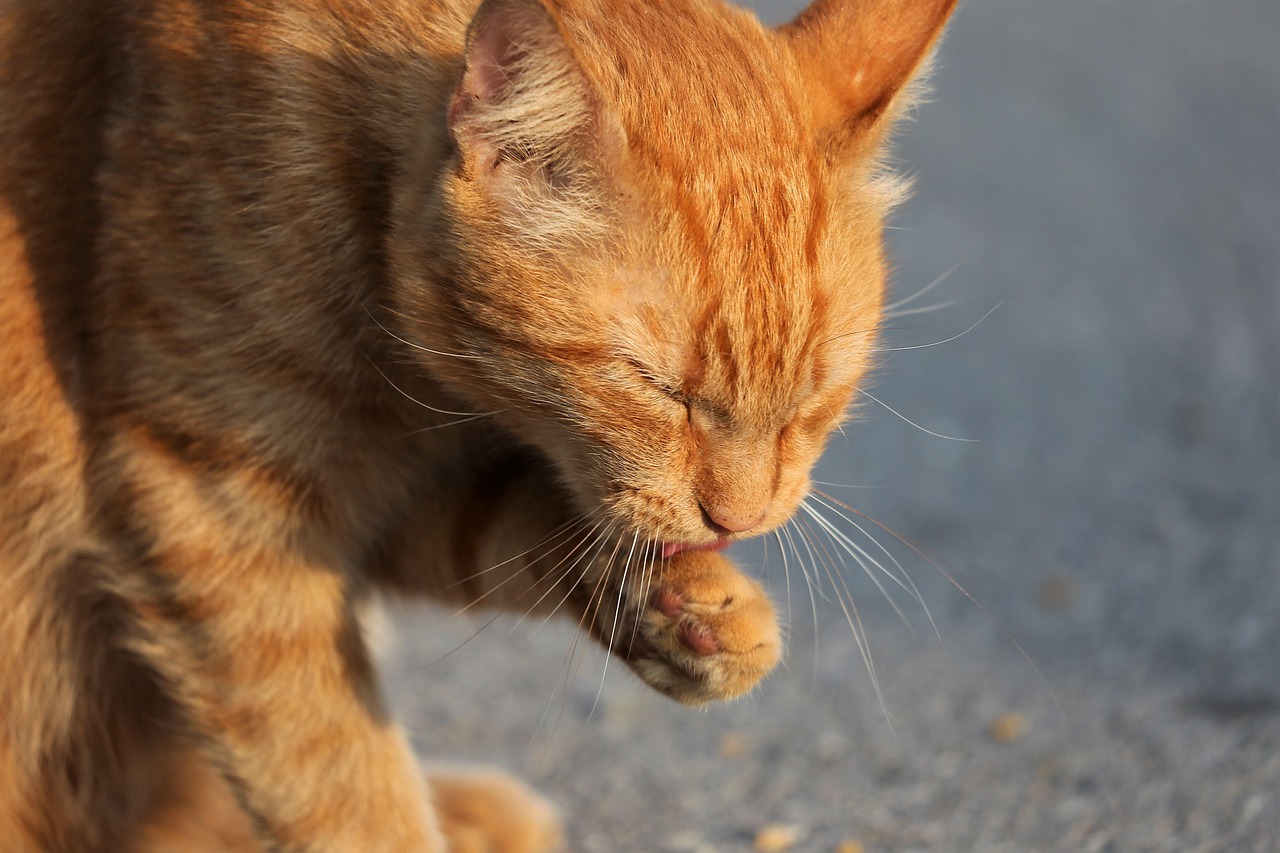
Understanding the behavioral signs that your cat might be developing a hairball will help you act promptly. Cats may exhibit a few tell-tale signs indicating they will produce a hairball. Look for excessive grooming behavior, as this can lead to the ingestion of more fur. You might notice your cat licking its stomach or frequently grooming their paws. Additionally, listen for the classic pre-vomiting gagging sounds, which often precede hairball regurgitation. Cats may also lose their appetite, or show an increase in lethargy, especially if they are struggling with a hairball. If your cat starts to exhibit these behaviors frequently, it is essential to consult a veterinarian to rule out other medical issues. Persistent hairballs can sometimes indicate intestinal problems or that your cat is unable to properly digest hair. Observing these signs early can lead to effective solutions, from dietary changes to grooming routines. Ensure you also pay attention to the texture and frequency of hairballs, as different characteristics might suggest the need for targeted interventions, ensuring your feline friend remains comfortable and healthy.
Incorporating game play into your routine can serve dual purposes: enriching your cat’s life while encouraging better grooming habits. Engaging your cat in interactive play encourages natural predatory behavior, which may lead to increased grooming and decreased stress. Trying different types of toys can keep your cat interested in both play and post-play grooming. Use feather wands, laser pointers, or crinkly toys that can entice your cat to chase and jump around. This physical activity also can prevent weight-related issues, which sometimes complicate grooming through accessibility challenges. Even a gentle session of play can lead to increased circulation and improved skin health, leading to a reduction in shedding. Furthermore, consider a consistent schedule for playtime and grooming sessions to normalize the behavior. Understanding your cat’s preferences and energy levels is crucial to effectively engaging them. Regularly alternating between physical exercise and grooming can maintain your cat’s well-being, resulting in a well-rounded routine that promotes overall health while minimizing hairball formation. By making these two activities part of your lifestyle together, you help promote a more harmonious environment at home.
Conclusion: Making Grooming a Priority
In conclusion, preventing hairballs in cats is a matter of understanding and addressing grooming and dietary needs simultaneously. Establishing a regular grooming routine, providing a balanced diet, and maintaining hydration are key components of a healthy, happy cat. By integrating these advanced grooming tips into your everyday life, you can reduce hairball occurrences significantly. Encourage your cat to enjoy grooming and the benefits that come with it. Provide plenty of positive experiences to improve trust and comfort, making the grooming process less of a chore. Remember that regular veterinary check-ups play a crucial role in assessing your cat’s overall health and must not be overlooked. Implementing these strategies will yield long-term benefits, ensuring your beloved feline experiences fewer hairball issues. Keeping your cat safe and healthy is a prioritized responsibility for any pet owner. Hence, careful attention to their grooming and dietary habits is crucial. Stay proactive in recognizing any adjustments needed while also adapting your approach to your cat’s individual needs to build a loving relationship that flourishes for years to come.
By focusing on your cat’s overall lifestyle and addressing potential issues early, you create an environment conducive to well-being. Ultimately, preventing hairballs requires a holistic approach that considers both grooming practices and dietary elements. Establishing a harmonious balance between these aspects enriches your cat’s life while instilling ease for the owner.