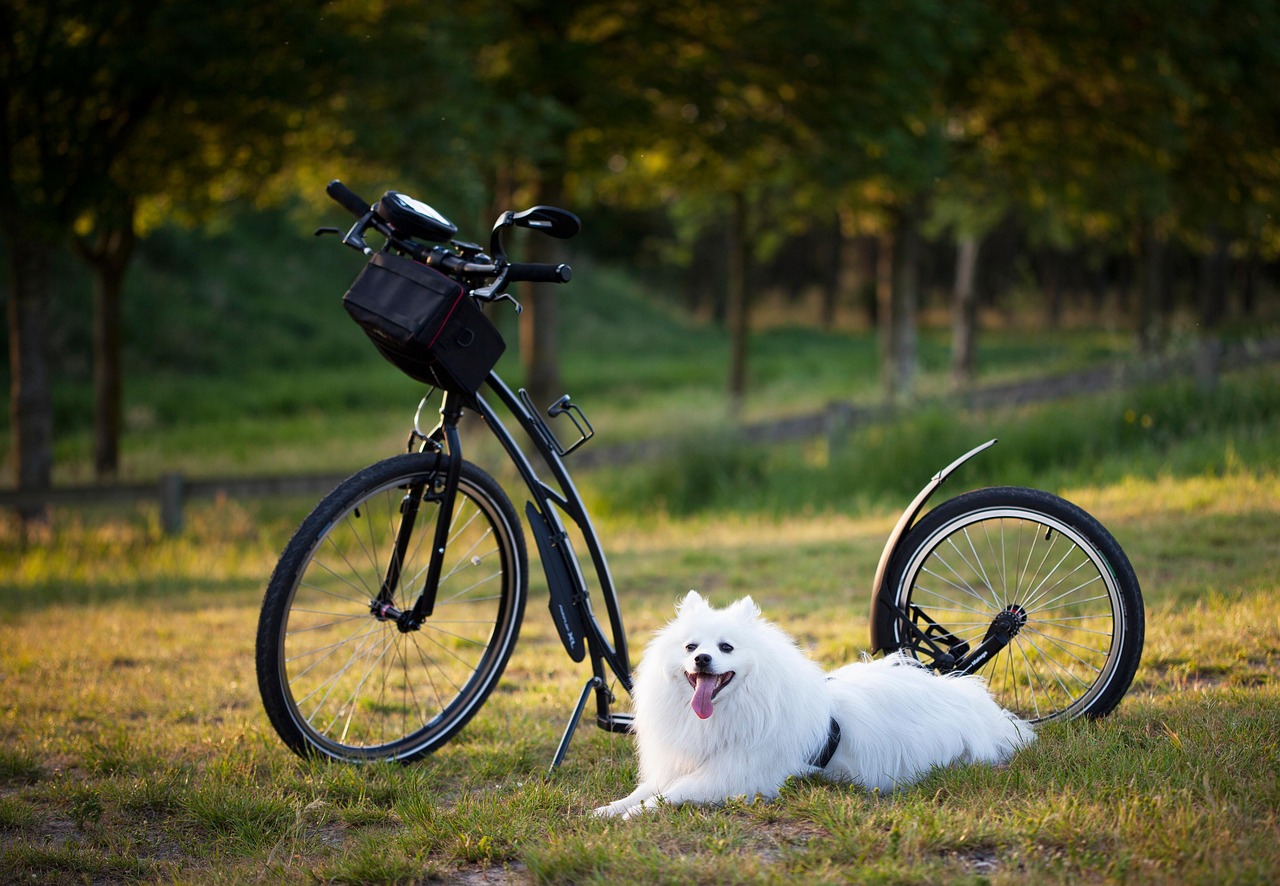

Collaboration Between Schools and Youth Dog Sport Organizations
The collaboration between schools and youth dog sport organizations has shown promising benefits for both students and their communities. Through engaging students in dog sports, schools can enhance physical activity and promote responsibility among young participants. Youth dog sport organizations provide structured programs that teach not only the fundamentals of dog training but also instill values such as teamwork, respect, and dedication. This partnership not only fosters a love for dogs but also encourages healthy outdoor activities, breaking away from sedentary lifestyles. Schools can bridge gaps in their physical education curriculum by incorporating dog sports, engaging more students who may not be traditional athletes. Dogs can serve as fantastic companions and motivators, helping youth to develop perseverance and self-discipline. Initiatives such as dog agility classes, obedience training, and junior handler competitions can be integrated into school programs or provided as after-school activities, promoting both education and socialization. While enhancing students’ learning experiences, this collaboration can also boost community involvement by hosting local events or competitions, showcasing the skills learned by students. Together, schools and dog sport organizations can cultivate a more active, responsible, and connected youth population.
Furthermore, the involvement of dog sport organizations in schools has great educational potential. Not only do they teach participants about dog training techniques, but students also learn about animal behavior, care, and welfare. This comprehensive understanding enriches their knowledge about responsible pet ownership. Additionally, youth involved in dog sports often develop essential life skills such as leadership and communication. These activities can appeal to a diverse range of students, including those with no prior experience in sports. The programs cater to various ages and skill levels, making dog sports inclusive and accessible for many. By incorporating lessons on canine health, grooming, and nutrition, students develop a well-rounded knowledge of dog care. Teachers can use dog sports as a hands-on learning tool to encourage academic lessons in areas like science and fitness. Workshops and seminars led by professional trainers can further enhance the educational experience. Schools can also engage with local veterinarians or dog trainers to provide students real-world insights into various careers related to canine care. This exposure can inspire students to consider careers in veterinary sciences or animal training as part of their future aspirations.
The Impact of Youth Dog Sports on Community Engagement
Youth dog sports can significantly impact community engagement by building stronger bonds among families and local residents. Participation in dog sports encourages families to come together, nurturing connections among parents, their children, and their pets. When schools host events or competitions, local businesses often participate by providing sponsorships or hosting booths. This collaboration fosters a sense of community pride while supporting local commerce. Additionally, these events can promote volunteer opportunities, whereby community members help organize and facilitate activities related to dog sports. When various community groups come together to support young athletes, this inclusivity leads to more vibrant and active neighborhoods. Students often gain leadership roles in organizing these community events, learning about responsibility, time management, and teamwork. The visibility of dog sports also attracts attention to the importance of animal welfare and responsible pet ownership. Schools can partner with local shelters or dog rescues to promote adoption and teach kindness towards animals. Educational campaigns during these events can raise awareness about pet abandonment and the needs of local shelters, landing an opportunity to give back to the community and create valuable partnerships.
Moreover, the collaboration between schools and youth dog sport organizations encourages healthy competition among students. Competitions in dog sports can inspire participants to showcase their skills and gain confidence. These events create opportunities for students to learn about sportsmanship and respect for opponents, important values in any competitive setting. Furthermore, competitions can motivate youth to set personal goals and strive for improvement as they prepare for events. Schools can recognize achievements in dog sports, celebrating students through award ceremonies or announcement boards. Building a culture of recognition encourages higher participation rates while reinforcing positive behaviors, both in sports and academics. Youth involved in dog sports may experience reduced stress and anxiety levels, creating a more positive school atmosphere. The social interaction during training and events is essential for students’ emotional well-being, providing a healthy outlet for challenges faced in their daily lives. In addition, local newspapers and media outlets often cover these events, shining a light on youth accomplishments, further emphasizing community support. Overall, fostering a competitive spirit in a positive environment can have lasting benefits for students both on and off the field.
Developing Future Leaders through Dog Sports
The involvement in youth dog sports helps develop future leaders with practical experiences and skills applicable in various aspects of life. Participating in training sessions and events enables students to learn about commitment and follow-through, essential traits for any leader. By working with their parents and other responsible adults, youth can cultivate mentorship relationships that support their growth. Students can learn how to handle challenges, such as a stubborn dog or unexpected competition outcomes, which equips them with problem-solving abilities. Leadership skills honed during dog training sessions can translate well into academic and extracurricular activities, preparing youth for future leadership roles within their schools. Additionally, dog sports cultivate interpersonal skills, as youth get to work and socialize with peers, fostering teamwork. Engaging with others who share similar interests strengthens communication and group dynamics, essential elements in any leadership position. Moreover, youth competitions may emphasize mental endurance and focus, traits vital for any aspiring leader. As these students develop resilience through various experiences, they build their confidence while inspiring others to pursue success in their own endeavors.
Another important aspect of the collaboration is the emphasis on inclusivity and diversity. Youth dog sports can accommodate students with varying abilities and backgrounds, fostering an environment where everyone can thrive. Schools play a crucial role in promoting inclusivity by offering programs that cater to neurodiverse and differently-abled students. By creating adaptive training programs, schools ensure that all students can experience the joy of dog sports. Many dog sport organizations are passionate about inclusion, working alongside schools to introduce programs tailored for individuals with specific needs or challenges. Implementing these programs promotes empathy and understanding among all participants, enhancing the overall experience. Through interaction with diverse groups, students learn to appreciate different perspectives while developing a sense of belonging. Initiatives that focus on inclusivity can encourage family participation, where parents connect with each other while supporting their children in dog sports. These experiences encourage cohesion among families, ultimately fostering a stronger, more supportive community overall. By promoting acceptance, youth dog sports help create a culture that values uniqueness, embracing every participant regardless of their background or abilities.
Conclusion: The Importance of Collaboration
In conclusion, the collaboration between schools and youth dog sport organizations presents various physical, educational, and social benefits for students. Together, they promote an environment conducive to learning, growth, and community engagement while highlighting the importance of responsible pet ownership. The impact of this partnership goes beyond teaching basic obedience, providing opportunities for young individuals to develop valuable life skills and experiences. Schools enrich their curriculums while students gain confidence, leadership, and resilience through participation in dog sports. This collaboration nurtures community bonds and enhances social awareness, as local families unite to support their children’s passions. As young participants train and compete, they create lasting memories while learning about the dedication needed to succeed. Ultimately, the partnership between schools and youth dog sport organizations lays the foundation for fostering a new generation of responsible, empathetic leaders who recognize the importance of collaboration and teamwork. By uniting their efforts, schools and dog sport organizations can create not only a brighter future for students but also a more connected and engaged community.
This collaboration can also serve as a model for other youth-centered activities, showcasing the power of shared goals and aspirations. Engaging young people through dog sports provides opportunities for personal growth, setting them up for success in future endeavors. When schools and youth dog sport organizations align their objectives, they create comprehensive pathways for student development, both academically and socially. The important role of mentorship cannot be overlooked, as experienced handlers guide newcomers, illustrating the value of patience and expertise. By connecting students with skilled individuals, they gain insight into various possibilities while enhancing their skills. Programs designed around mentorship can encourage older students to assume leadership roles, giving them a sense of responsibility. This chain of mentorship promotes continuity, fostering a culture where knowledge, skills, and passion are passed down. Incorporating feedback mechanisms in these collaborations can help improve programs over time, ensuring they remain relevant and impactful for participants. By understanding the ongoing needs of the community, both schools and dog sport organizations can adapt their programs accordingly, providing sustainable benefits that endure for years to come. Ultimately, this collaboration leaves a positive legacy for future generations.