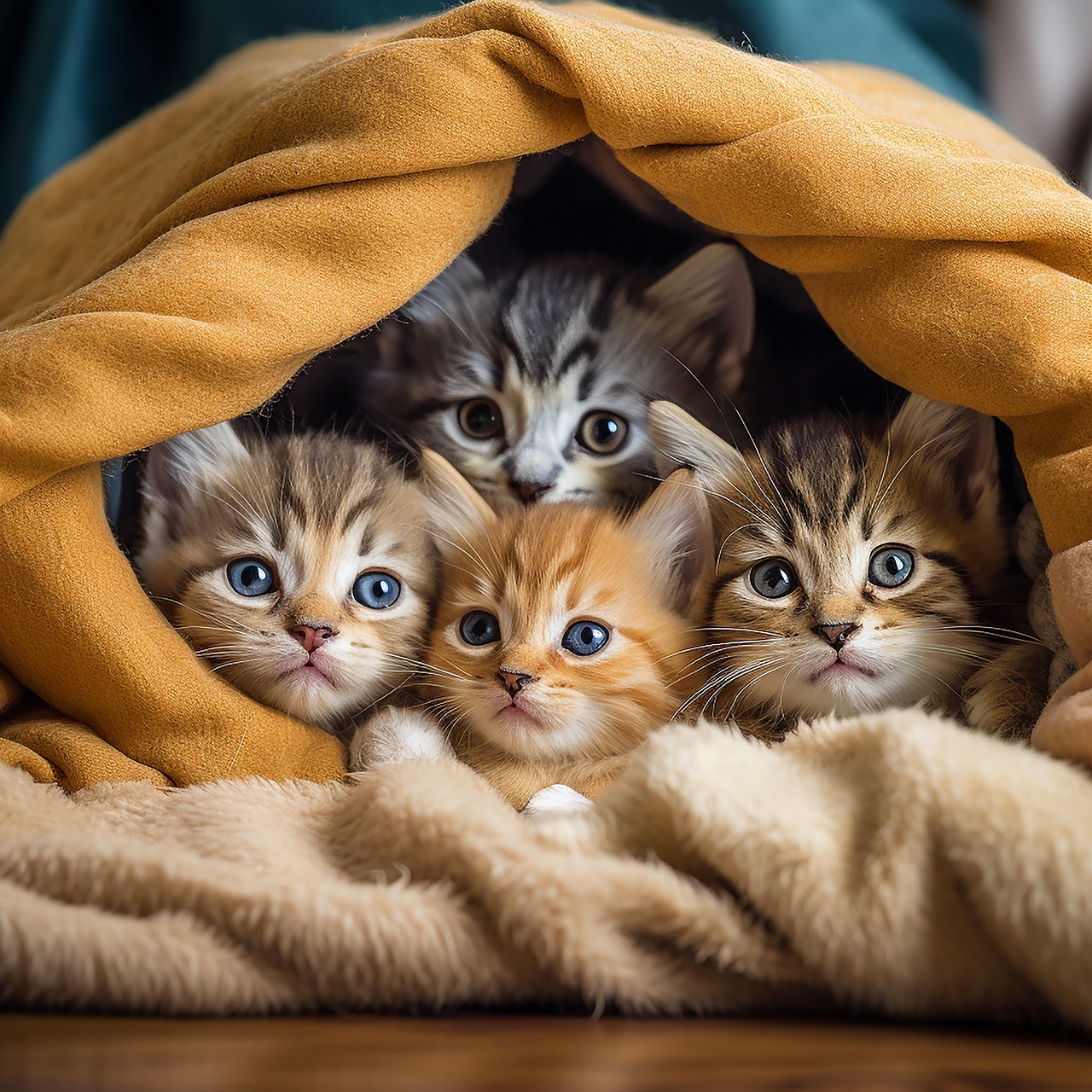

Dealing with Shyness or Fearfulness in Kittens Through Socialization
Shyness or fearfulness in kittens can frequently create challenges for owners. Proper socialization during their formative weeks can significantly mitigate these issues. This can lead to happier, more confident cats. Start the process early, ideally between two to nine weeks of age when their brains are especially receptive to new experiences. Gradually introduce your kitten to different people, environments, and even other pets. Utilize positive reinforcement methods to make these experiences enjoyable and rewarding for them. Establish a safe space where your kitten feels comfortable retreating when overwhelmed. Offer gentle encouragement, patience, and consistent exposure to new situations. Avoid forcing your kitten into uncomfortable situations, as this can reinforce their anxiety and shyness. Instead, allow them to explore and engage at their own pace. In doing so, you’re not only fostering resilience but also encouraging a sense of security. Over time, socialization will help your kitten become a well-adjusted and confident adult cat. Remember that every kitten is unique, and some may require more time than others to adjust to their surroundings. Be patient, and celebrate small victories along the way.
Positive reinforcement is crucial in building a kitten’s confidence. Use treats, praise, and petting as rewards for commendable behavior. Encourage exploration by placing toys or treats in different areas to motivate your kitten. Create opportunities for your little feline to interact with various stimuli. For example, invite friends over to meet your kitten and engage with gentle play. This will expose your kitten to new people in a controlled, positive manner. It’s also essential to allow them to witness everyday activities occurring around them. This includes household sounds, movements, and interactions within the home. Ensuring that these experiences remain positive helps your kitten learn that the world is not a scary place. Always observe your kitten’s body language during interactions. Look for signs of stress, such as hiding, aggressive postures, or excessive vocalization. If you notice these signs, take a step back and allow your kitten to regain their composure. Additionally, implementing a routine can enhance feelings of stability for your kitten. Consistency provides comfort and security as they navigate their new environment throughout their critical developmental stages.
Creating a Safe and Stimulating Environment
Your kitten’s environment plays a crucial role in their socialization journey. Create spaces that stimulate their curiosity without overwhelming them. Designate areas for play and relaxation while ensuring safety by removing potential hazards. For instance, secure any electrical cords, small items, or toxic plants from easy access. Use climbing towers or scratching posts to encourage active play and exploration. This will provide them with physical exercise while enhancing their confidence in navigating different surfaces and heights. Using varied textures in your home allows kittens to gain familiarity with tactile sensations. Offer a variety of toys, such as feather wands, laser pointers, and soft balls, to keep their interest alive. Rotate toys regularly to sustain excitement and stimulation. Engage in interactive play sessions to strengthen your bond and build trust. Additionally, consider installing a cozy window perch to allow your kitten to observe the outside world from a safe spot. Exposure to external stimuli can help desensitize your kitten to various noises and movements, promoting a sense of curiosity and adventure while decreasing shyness.
Observing and understanding your kitten’s body language is essential. Kittens may exhibit subtle signals indicating their comfort level. Look for signs like purring, kneading, or slow blinking, which are indications of relaxation. Conversely, watch for ears facing sideways or a puffed-up tail, which may signify fear or uncertainty. Create situations that can lead to positive interactions with strangers or new pets by ensuring introductions are gradual. When introducing your kitten to other pets, utilize supervised visits and maintain a calm environment. Everybody involved should be relaxed to foster a comfortable introduction. Encourage gentle, calm interactions by allowing the pets to sniff each other in a controlled manner. Gradually increase exposure with frequent, short meetings to solidify safety and confidence. In socializing kittens, remember that the goal is to instill a sense of security and comfort to reduce fearfulness. It’s normal for each kitten to have a unique personality and pace when it comes to socialization. Adjust your strategy based on their reactions and progress. Understanding their feelings will not only help in socialization but will also aid in establishing a trusting relationship.
Utilizing Professional Help if Needed
Sometimes, despite your best efforts, your kitten might still struggle with fearfulness or shyness. In such cases, seeking professional assistance can be incredibly beneficial. A qualified animal behaviorist can offer personalized strategies tailored to your kitten’s needs, providing insights you may not have considered. Enrolling in kitten socialization classes can also support their development. These classes provide positive experiences in controlled environments, often with other kittens. This can lead to improved social skills and increased confidence when interacting with various things. Moreover, these experiences help establish a sense of normalization for your kitten when confronting new experiences outside your home. When exploring trainers or behaviorists, prioritize those with a strong emphasis on positive reinforcement and humane training methods. It’s essential to find someone who understands feline behavior and is patient. Additionally, keep communication open with your veterinarian; they understand the physical and mental well-being of your pet. Veterinary support can address underlying issues or suggest safe resources for mental enrichment which helps alleviate shyness. With the right techniques and guidance, even the shyest kittens can build their confidence and flourish.
Remember that building confidence and reducing fearfulness in your kitten is a gradual process. The techniques employed should always be compassionate, patient, and encouraging. Each kitten will respond differently to socialization and training efforts, so it’s important to adjust your methods accordingly. Celebrate small achievements along the way, and continue to provide a safe and enriching environment for their growth. Consistent interaction will foster positive associations, allowing your kitten to thrive as a loving, confident companion. Regularly expose your kitten to different textures, sounds, and smells as progressive steps in their development. Ensure these exposures are manageable and stress-free. Provide ample playtime to allow them to express their natural instincts and enhance socialization. Over time, this can empower your kitten, turning shyness into curiosity and confidence. Always bear in mind that patience is key. Slow, positive introductions will help foster a loving, resilient spirit in your kitten. As they conquer fears and embrace new experiences, the bond between you will only deepen. A well-socialized kitten grows into a well-adjusted adult cat, creating a happier home for all.
Conclusion
In conclusion, addressing shyness and fearfulness in kittens through socialization is essential for their development. Early social interactions can significantly enhance their confidence levels, establishing a foundation for positive behavior in adulthood. Engaging them in diverse experiences fosters adaptation, ensuring they develop social skills. Approach every situation with kindness and encouragement. Take the time to celebrate triumphs, no matter how small they may appear. A sustained commitment to their socialization will yield rewarding results, transforming an anxious kitten into a fabulous feline companion with a vibrant personality. Equip your home with engaging toys and create a stimulating environment where exploration is encouraged. Revisit socialization goals regularly and recognize changes in your kitten’s behavior. A happy, well-adjusted kitten grows into a remarkable family member, creating mutual joy for both owner and pet. Don’t hesitate to seek professional help when necessary, ensuring your kitten receives the best opportunities for growth. Always prioritize their emotional well-being along this journey. Each kitten holds the potential to flourish with the right environment, socialization, and support from their owners, making for an enriching experience for everyone involved.
Ultimately, patience, love, and proper guidance will yield the most fulfilling outcomes in nurturing a shy kitten. Embrace the adventure of socialization and allow your kitten to shine in their own time.