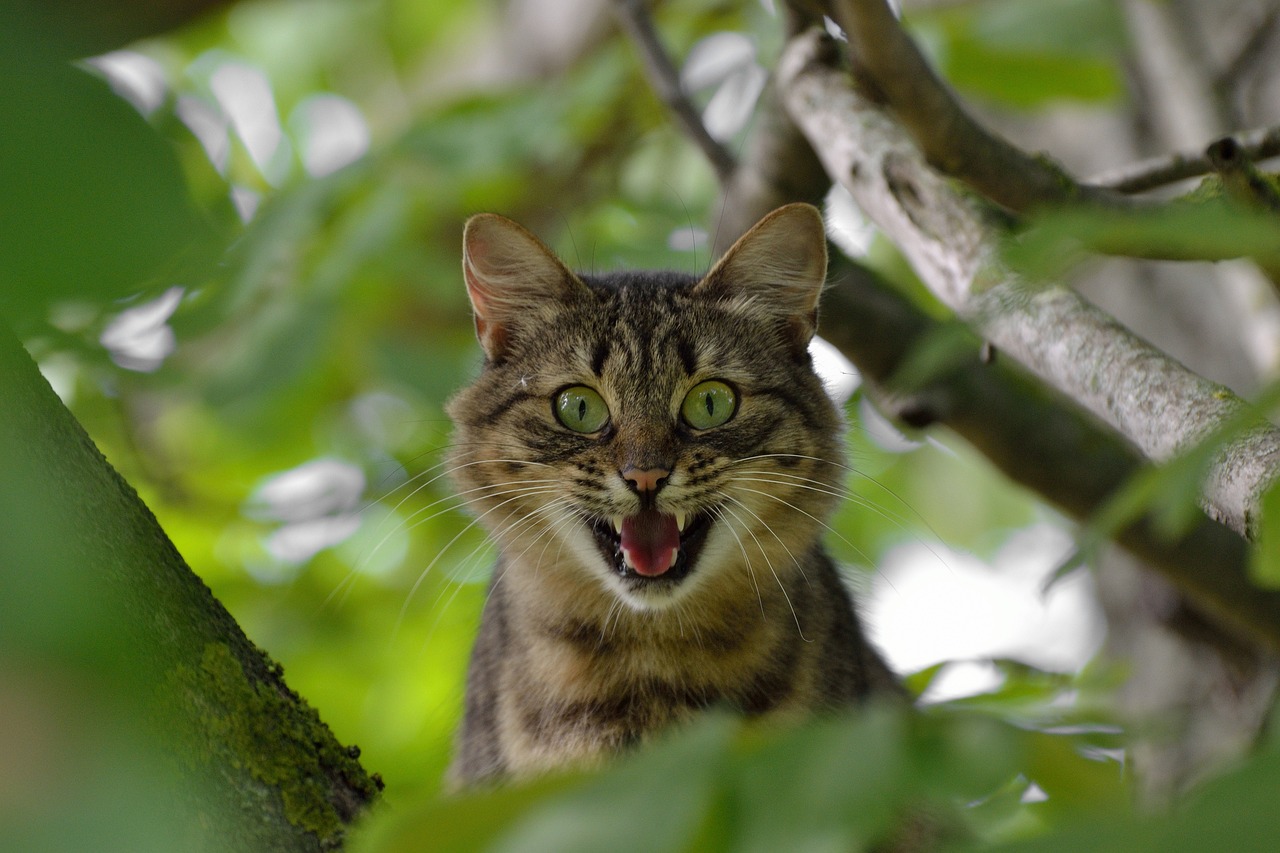

Role of Play and Exercise in Reducing Aggression Between Cats
Aggression between household cats can significantly affect their well-being and owners’ peace. One key strategy to mitigate such behaviors lies in promoting play and exercise. Engaging cats in interactive play can redirect their energy and focus, helping them to express their natural instincts without resorting to aggressive behaviors. Cats are instinctive hunters, and play mimics this hunting behavior. Utilizing toys that mimic prey movements can help satisfy their predatory desires. Owners should aim to schedule regular play sessions, about 15-20 minutes, several times per day. Playtime not only fosters physical exercise but also strengthens the bond between the cat and its owner. This bonding can help reduce stress and improve overall behavior. Additionally, incorporating various types of toys and activities—such as feather wands or laser pointers—can maintain interest and foster enthusiasm. Furthermore, exercise can create a calming effect, allowing cats to become less territorial and more sociable. In this framework, an enriched environment filled with opportunities for play and physical activity plays a crucial role in reducing inter-cat aggression.
In order to effectively implement exercise routines, owners need to observe their cats closely. Each cat is unique, with distinct play preferences and thresholds for aggression. Understanding these preferences can significantly enhance playtime effectiveness. For some cats, aggressive play may signal excitement or stimulation. However, excessive aggressive interaction could lead to real fights, so moderation and attention are essential. Owners should look for signs that indicate when play becomes too intense and adjust accordingly. It’s also advisable to use toys that a single cat can enjoy alone, like puzzle feeders or self-moving toys, providing exercise and mental stimulation. Moreover, diversifying play activities will keep the cats engaged and reduce competition for playtime. Shared play sessions can be introduced gradually and supervised to minimize tensions. By engaging in play together, cats learn to interact positively, reinforcing social behaviors. This can eventually translate into reduced aggression during non-play situations. Keeping playtime varied and interesting helps ensure cats remain healthy in both body and mind. Investing time in understanding each cat’s play style leads to a more harmonious living environment.
Playtime Strategies to Minimize Aggression
Introducing structured playtime can contribute significantly to reducing aggression between cats. It is essential to create a schedule that works for both the owner and his or her cats. Consistent playtimes allow cats to anticipate engagement. Gradually increase the duration of active sessions as the cats become more accustomed to playing together. Alternate between interactive play sessions, where the owner engages directly with both cats, and independent play with toys scattered around. This combination reduces tension and competition for attention. Also, engaging cats in group play can enhance social bonding, easing the underlying stress that often leads to aggression. The usage of multiple toys during play can also help avoid one cat monopolizing attention. This ensures a fair distribution of play experience, promoting balance and fairness. Additionally, incorporating puzzle toys can stimulate mental engagement, providing a solitary range of activities that encourages each cat to be entertained alone. Creating separate, engaging areas for play reduces territorial disputes that may arise during shared activities, making playtime a constructive experience rather than a source of conflict.
In addition to play, providing a stimulating environment is vital for overall wellness. Cats are intelligent creatures that require mental challenges alongside physical exercise. Creating various levels within their living space using climbing trees or shelves allows cats to exercise both their playfulness and hunting instincts. This encourages natural exploration without the negative context of aggression. Moreover, plenty of places to retreat can alleviate anxiety and stress, reducing competitiveness among household cats. Ensuring that there are enough resources, such as litter boxes, scratching posts, and food stations, will prevent stressful encounters between cats. According to experts, it’s recommended to have one resource per cat, plus one additional. Creating an environment rich in stimulation prevents boredom, which can lead to frustration and potential aggression. Regularly changing toys and introducing new elements into their space can keep things interesting. By taking preventative measures, owners can mitigate aggression and create a calmer atmosphere. Lastly, organize playtime to coincide with periods when cats may typically be more hyperactive, such as dawn and dusk, which can lead to a more controlled environment.
Benefits of Regular Play
Regular play and exercise not only reduce aggression but also offer numerous physical and psychological benefits. Engaging in consistent activities helps maintain a healthy weight, decreases the risks associated with obesity-related health issues, and promotes cardiovascular health. Another advantage of regular playtime is the opportunity to observe behavioral changes over time. Positive interactions during play facilitate better communication and understanding between cats. Furthermore, lowering stress levels through play can also reduce the likelihood of aggressive behaviors manifesting. The endorphin release stimulated by physical activity results in happier, more relaxed cats. Creating positive associations with play changes the perception of interactions among cats. Instead of viewing each other as rivals, cats learn to appreciate each other as companions. Additionally, physical exercise acts as a natural outlet for pent-up energy. Unspent energy often exacerbates feelings of hostility, and regular exercise mitigates this risk. As a result, a cat that exhibits less aggression is likely to be more sociable and happier overall, benefiting both their well-being and their owner’s experience living together harmoniously.
In conclusion, addressing aggression between household cats requires a multifaceted approach emphasizing play and exercise. By implementing both structured and varied playtime, owners can create an environment conducive to positive outcomes. Regular engagement in physical activities not only strengthens the bond between cats but also promotes their overall health and happiness. An enriched living space enhances their well-being, leading to reduced competition for resources and territory. Owners should also prioritize observing their cats’ interactions during play and adjust accordingly to prevent escalating aggressive behaviors. By fostering understanding of their unique personalities and preferences, owners can tailor activities to suit their needs. Through gradual introductions of play, collaborative activities, and opportunities for mental stimulation, owners can assist their cats in developing positive social dynamics. Ultimately, the investment of time and effort into creating an interactive environment results in happier cats. With dedication, patience, and a good understanding of individual cat behaviors, reducing or even eliminating aggression is attainable, leading to a more peaceful and fulfilling life for both cats and their owners.
For those seeking additional information and resources regarding cat aggression, multiple platforms offer guidance. Websites such as the ASPCA and the Humane Society provide tips on managing behavioral issues through appropriate play and environmental enrichment. Consulting a veterinarian or a feline behaviorist can also be beneficial, as they can provide personalized insights tailored to your specific situation. They can help identify underlying factors contributing to aggression, whether due to territoriality, fear, or play-related frustrations. Establishing a regular communication method to monitor and track progress also aids in identifying patterns or triggers for aggressive behavior. Don’t hesitate to reach out to community forums or local shelters for support, as they may offer recommendations and community-based resources. Additionally, engaging with educational books focusing on feline behavior can yield deeper insights. Addressing cat aggression isn’t a quick-fix scenario, but gradually implementing play strategies combined with expert advice can lead to significant improvements. Pursuing a comprehensive understanding of these feline behaviors ultimately contributes to long-term harmony in multi-cat households.
The role of play and exercise in reducing aggression between cats can’t be understated. Consistent, engaging activities not only eliminate stress but enhance the overall quality of life within a household. As cats thrive on structure, incorporating daily play not only satisfies their instincts but builds a stronger bond with their human companions. This collaboration, where both owner and cat share in enjoyable experiences, reduces reliance on aggression as an outlet. The positive effects of a properly enriched environment cannot be ignored, as it transforms aggressive tendencies into playful ones. Fostering understanding through interactive methods opens the door to lasting harmony. Owners are encouraged to form strategies that best suit their household scenario while remaining vigilant and adaptable to individual needs. By dedicating time to understanding feline body language and cues, owners can create a thriving space that prioritizes stability and well-being. To summarize, with a continued commitment to play and exercise, creating a happy residential atmosphere for cats is not only feasible but enjoyable. The payoff is not just in reduced aggression but an overall enhancement in life quality for both cats and their people.