
How Human Interaction Affects Cat Maternal Behavior
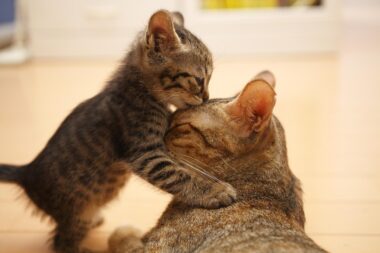
Understanding the impact of human interaction on cat maternal behavior is crucial for cat owners and animal caretakers. Interactions during the initial weeks of a kitten’s life can define their behavior, shaping how they relate to their mothers and human companions. Early socialization allows kittens to establish healthy boundaries, encouraging better responses when encountering humans. Mother cats influence their offspring through direct interactions, such as grooming and play, which are vital for developing feline social skills. When humans engage positively in these early stages, it can support and enhance maternal instincts. However, negative experiences can disrupt the natural bond between the mother and her kittens. For instance, loud noises, sudden movements, or aggressive handling can cause stress to both mother and kittens, potentially leading to behavioral issues. Such stress might impair the mother’s ability to nurture or care for her young. In contrast, calm and gentle handling helps in reinforcing trust and security, not just in mothers but also in their kittens. All these factors demonstrate that human interactions play an essential role in shaping acceptable maternal behaviors in cats, affecting their psychological well-being.
Maternal behaviors displayed by cats vary significantly based on their experiences with humans. For instance, a cat that has been well-socialized is more likely to display nurturing behaviors not just towards its kittens but to other animals and humans within the household. This adaptability assures kittens observe positive behavior. Positive human engagement can involve participating in feeding or providing a comfortable nesting area. Such actions encourage cats to express their maternal instincts while ensuring they feel safe. Moreover, maternal care is also affected by environmental factors; a secure and stable home promotes nurturing behaviors. However, if a mother cat perceives humans as a threat, this can lead to defensive behavior. In such cases, the mother may neglect her kittens. Understanding how to interact properly can mitigate conflicts, promoting bonding between the cat and her caregiver. Regular gentle interaction helps the kittens learn appropriate social cues from both their mother and humans. This early experience is critical for their emotional and psychological development. Cats that receive positive attention from their owners often grow into more social, relaxed, and friendly adults.
Another significant aspect to consider is the timing of human interaction with maternal cats. Studies indicate that during the crucial early weeks, maternal cats are particularly sensitive to changes in their environment. Introducing new family members, whether humans or pets, can significantly affect a mother cat’s comfort levels. For example, an addition might provide the mother with social support, reassurance, and help with nurturing responsibilities. Conversely, a disruptive presence can lead to stress, leading the mother to retreat from caring for her kittens. Avoiding overwhelming interactions is vital. Cat owners should be aware of their pet’s mood and resistance to influence their nurturing behavior. Creating a calm atmosphere in the home is essential at this time. Caregivers should ensure minimal disturbances and distractions to support maternal instincts effectively. Positive reinforcement in the presence of new humans can also foster trust. Visiting guests should be educated about not intruding upon the mother cat’s space post-delivery. Respecting her territory is crucial to maintaining a stable environment, ultimately leading to healthier familial bonds.
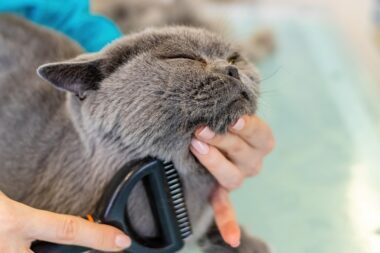
How humans express affection towards a mother cat may also impact her behavior significantly. The way caregivers bond with their feline companions can either enhance or hinder maternal instincts. For example, when cats are stroked or spoken to in calming tones, they may feel more at ease, thereby enhancing their nurturing tendencies. In contrast, rough handling, loud talking, or unusual touching can elevate stress levels, distorting maternal care. Furthermore, interacting with the kittens only in the presence of their mother fosters a sense of security. This can also help nurture social behaviors in the kittens. Gentle petting can promote relaxation and well-being, ensuring that the mother feeds and cares for her young effectively. Owners should also observe the body language of their cat and respond accordingly. Signs of stress or discomfort should guide interactions, reinforcing an understanding of appropriate engagement. By fostering a safe and loving environment, humans can contribute positively to a healthy maternal experience. In doing so, they can ensure that kittens are reared in a nurturing atmosphere, which is vital for their developmental needs.
Influence of Environmental Factors
Environmental factors play a crucial role in shaping how human interaction affects cat maternal behavior. A calm, quiet environment significantly enhances the nurturing response of the mother. Suitable living conditions include providing ample space, privacy, and a safe area for the mother to raise her kittens. When disturbances such as loud noises or constant movement infiltrate this space, it can dramatically impact her care. Conversely, creating a tranquil setting allows mothers to focus on their young without unnecessary stress. Elements such as warmth, cleanliness, and appropriate bedding also contribute to maternal instincts. Ensuring that the area is free from potential dangers promotes confidence for both mother and her offspring. If the environment is perceived as threatening, maternal instincts might diminish. Cats thrive in stable environments with predictable routines, which also aids in cultivating healthy maternal behaviors. Furthermore, introducing gradual changes in their surroundings can help acclimate a mother cat to human presence. In turn, familiarity can enable her to feel less threatened, promoting nurturing behaviors towards her kittens while developing a trustworthy rapport with humans.
The bond between cats and humans is strengthened through positive human influences, which also extends to kittens. Social interaction in the early weeks teaches kittens about their world, preparing them for future relationships. When kittens are raised in an environment where humans interact positively, they learn vital social feedback. They adapt well to humans, allowing their mother to feel secure and relaxed. In doing so, the maternal bond is further solidified. The interaction between kittens and humans continues even as they grow older. Previously socialized kittens tend to be more approachable to new experiences, leading to adaptive behaviors. Behavioral traits developed during these formative weeks lead to the evolution of a kitten into a confident adult cat. Moreover, this pattern ultimately influences their readiness to engage positively with humans in various situations. The legacy of maternal care, influenced by human interactions, shapes not only the kittens but also the relationship established with humans long-term. Emphasizing the nurturing presence of humans plays a pivotal role in reinforcing the maternal behaviors exhibited in cats, leading to healthier and sociable adult felines.
Concluding Thoughts
Understanding how human interaction affects cat maternal behavior emphasizes the importance of supportive environments. Engaging with mother cats and their kittens requires patience and knowledge about feline behaviors. Positive interactions can lead to enhanced maternal instincts and better social development of the kittens over time. Pet owners are tasked with creating a harmonious balance, nurturing relationships that serve both the mother and her young. Acknowledging the significance of human presence in a cat’s life allows for healthy emotional bonds to flourish. From the point of view of a caretaker, awareness of individual cat personality helps guide interactions. Each feline has its unique temperament requiring different approaches to engage successfully. Consequently, fostering a trusting relationship necessitates attention to their needs and reactions. In doing so, both mothers and kittens can thrive within a human-centric environment. Building connections based on trust not only cultivates positive maternal behavior in cats but also enhances the overall human-animal bond, leading to healthier and happier lives for both. Ultimately, the synergy between human interaction and cat maternal behavior highlights the need for empathy and understanding in pet ownership.
Cat maternal behaviors are multidimensional and influenced by various factors including genetics, environment, and human interaction. Recognizing these elements can greatly enhance the well-being of mothers and kittens alike. The focal point must always be on creating behavior and nurturing space, allowing cats to express their instincts freely. In serving both the mother and kittens emotionally, humans become actively involved in their development. The mutual relationship should encourage positive behaviors among both parties, leading to enriched companionship instances. Investing time in understanding a cat’s needs and observing her responses builds stronger bonds. Essentials such as safety, love, and consideration foster exemplary maternal behaviors, which spread emotional health that transcends the relationship. The responsibility rests with pet caregivers to ensure that human interaction remains constructive and supportive. Techniques that lower stress should always be prioritized in interactions. From sociability to maternal instincts, a holistic understanding of these behaviors enables humans to promote nurturing environments. Ultimately, nurturing cat maternal behavior translates to healthier kittens, which benefits society at large through happy, well-adapted adult cats.