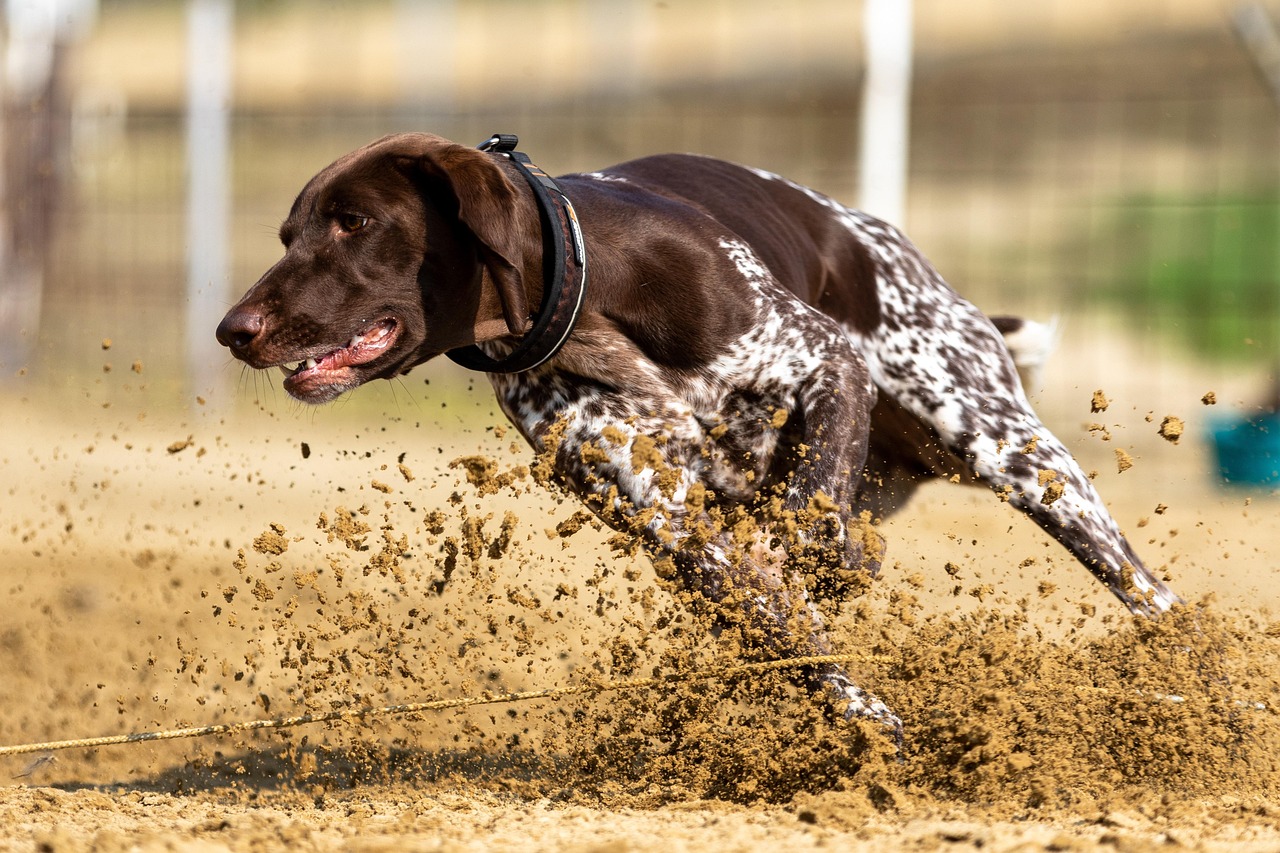

The Role of Positive Reinforcement in Canine Sports Workshops
Positive reinforcement is a crucial element in canine sports workshops, where motivating dogs to learn and perform skills effectively is vital. Using treats, praise, or toys, trainers reward dogs when they exhibit desired behaviors. This method not only bolsters the dog’s confidence but also fosters a strong bond between pet and owner. Dogs are more inclined to engage enthusiastically during training sessions when they anticipate rewards. Consequently, this translates into improved performance in various canine sports, such as agility, obedience, and flyball. Effective use of rewards requires timing and consistency, ensuring that dogs understand what behavior earns them praise. Moreover, trainers should assess the individual preferences of their dog counterparts, allowing for tailored reward systems. Each dog responds differently, so knowing which motivations work best can be invaluable. Additionally, positive reinforcement promotes a training atmosphere that is enjoyable and free of stress, mitigating the risk of negative behavior. This approach empowers dogs to learn at their own pace, enhancing overall retention of skills. Overall, embracing positive reinforcement leads to better participants in canine sports, ultimately elevating the experience for all involved.
Incorporating positive reinforcement into a canine sports workshop highly influences performance outcomes. Trainers can deploy various techniques synergistically in tandem with rewards. For instance, using clicker training alongside treats can greatly enhance communication between the dog and trainer. As the dog learns to associate the click sound with a positive outcome, this method sharpens focus during training exercises. Timing is critical here; the moment the dog performs the desired action, trainers must deliver the treat promptly. This precision helps clarify expectations, ensuring the dog understands the right behavior to exhibit. Furthermore, the combination of verbal praise with physical affection creates a nurturing environment, which encourages dogs to engage actively. Workshops that foster a positive and upbeat atmosphere often witness higher retention rates of techniques taught. Participants tend to leave sessions feeling accomplished and eager to practice further. It’s essential for trainers to create a stimulating experience, so dogs remain eager to participate over time. Well-structured workshops can culminate in successful performances in competitions, emphasizing the importance of the foundation laid through positive reinforcement. In conclusion, thoughtfully applied strategies lead to rewarding experiences for both dogs and their trainers.
Different Approaches to Positive Reinforcement
Several approaches to positive reinforcement can be integrated into canine sports workshops to achieve optimal results. One effective strategy involves shaping behaviors gradually by rewarding successive approximations toward desired actions. For instance, during agility training, a trainer might start rewarding a dog for merely approaching equipment and gradually increase expectations. This incremental improvement allows dogs to build confidence while ensuring successful engagement. Another approach might be to employ a variable reward schedule, which can be highly motivating. Unlike fixed schedules that provide rewards consistently, variable schedules introduce unpredictability, encouraging dogs to remain engaged, as they never know when they might receive a reward next. Additionally, incorporating high-value treats for difficult tasks can elevate a dog’s motivation significantly. These treats vary in desirability; select foods or toys that the dog finds irresistible for enhancing training sessions. Lastly, always consider including social interactions, like playtime with other dogs, into the reward system. This social element can be critical, as dogs are pack animals that thrive on social engagement. Overall, diversifying positive reinforcement techniques enriches the learning experience within canine sports workshops.
The emotional and psychological well-being of dogs significantly improves with the practice of positive reinforcement in workshops. Dogs that receive affirmative feedback during training sessions tend to exhibit more self-confidence, creating a cycle of success. A well-adjusted dog is more likely to enjoy participating in sports activities and pursue learning experiences. Furthermore, the practice of positive reinforcement contributes to reducing anxiety and stress levels in dogs. This is particularly essential in competitive environments, where pressure can lead to noticeable performance declines. Ensuring that dogs feel safe and rewarded while learning allows them to adapt better and develop resilience. Importantly, as trainers nurture the emotional states of dogs, they also enrich the overall training atmosphere for all participants. Engaged participants can drive improvement not just in their dogs but also in their skills as handlers. This collaborative environment often results in more successful outcomes during competitions and trials. As dogs become accustomed to a supportive training setting, reaching new levels of performance becomes attainable. Emphasizing the emotional side of positive reinforcement as a learning tool can be transformative for both dogs and their owners alike, ensuring fulfilling experiences.
Challenges of Implementing Positive Reinforcement
While positive reinforcement has numerous advantages in canine sports workshops, it does come with some challenges that trainers must navigate effectively. One common issue is inconsistency in applying rewards, which can confuse dogs. If a dog only receives a treat irregularly for desired behaviors, it may lead to frustration or disengagement. Ensuring that all trainers and handlers apply a consistent standard throughout a workshop is paramount for successful outcomes. Additionally, handlers must also remain aware of their tone and body language, as mixed signals can create uncertainty. Another challenge surfaces when assessing the most effective rewards for each dog; trainers must be familiar with the various motivations of different canines. It may involve some trial and error to understand what captures the dog’s interest best. Furthermore, some dogs can become overly reliant on high-value treats, making it challenging to transition to lower-value rewards or the removal of treats altogether. Trainers must gradually acclimatize dogs to less tangible forms of positive feedback. With patience, training, and practice, embracing these challenges can lead to considerable rewards in a workshop atmosphere that promotes growth.
Ultimately, the success of canine sports workshops lies within the understanding and effective implementation of positive reinforcement techniques. Trainers and handlers must recognize that while rewards are key motivators, learning styles vary greatly among individual dogs. By customizing approaches to meet these unique needs, workshops can maximize their potential impact. Additionally, workshop success often hinges on the trainers’ ability to maintain an inviting and stimulating environment. Each activity should strategically incorporate opportunities for dogs to demonstrate their newfound skills. Dogs should feel empowered, knowing they are valued members of the training process. Furthermore, handlers are equally responsible for their dogs’ experiences, emphasizing clear communication and effective techniques in every encounter. Building a comprehensive framework around positive reinforcement supports healthy learning for both dogs and humans in various sports. These shared experiences foster connections that extend beyond training sessions. The joy of watching a beloved dog excel at a competition, engaging in previously learned maneuvers, is a powerful testament to the impact of positive reinforcement principles. Therefore, workshops rooted in these principles can create lasting bonds among participants while refining canine sports skills.
Conclusion: The Lasting Impact of Positive Reinforcement
In conclusion, the role of positive reinforcement in canine sports workshops cannot be underestimated. These workshops serve as excellent platforms for applying and refining positive reinforcement techniques, enhancing the overall experience for handlers and dogs alike. As trainers continue to embrace and adapt their methods, countless dogs can thrive emotionally and behaviorally. The importance of creating a balanced atmosphere remains critical; dogs perform better and learn more reliably when they feel safe and valued. Those who actively engage in the workshop process establish a foundation for healthy, sustainable participation in competitive canine sports. Moreover, the lasting effects of positive reinforcement extend beyond competitions, impacting daily interactions between dogs and their owners. Ultimately, strengthening the bond through positive experiences uplifts the quality of life for both dogs and their people. Sharing the journey of learning and growth amplifies the feeling of accomplishment. By highlighting the significance of positive reinforcement in canine sports workshops, both trainers and participants are fostering a compassionate training culture. This culture not only transforms individual experiences but also enhances the broader canine sports community, establishing it as a place where dogs can shine.
As the world continues to embrace positive reinforcement in canine sports workshops, changes will inevitably shape the future of training practices. The emerging techniques will likely offer additional methods that cater to the evolving understanding of canine psychology and behavior. Workshops will certainly begin integrating technological advancements, from clickers to mobile apps that help track progress and provide instant feedback. This integration will streamline training processes and make learning more enjoyable for both dogs and handlers. Furthermore, a greater emphasis will likely be placed on creating more inclusive environments where dogs of varying abilities can participate and thrive. As trainers collectively share experiences and insights, the canine sports community can anticipate an exciting evolution in collaboration and knowledge-sharing methods. By focusing on fostering a supportive, innovative atmosphere, the collective journey toward resourceful training practices can lead to enhancements benefiting everyone involved in canine sports. The combination of well-practiced rewards, emotional intelligence, and adaptive methods will continue to create profound impacts. Thus, the future of canine sports workshops seems bright and filled with endless potential, leading to happier dogs and dedicated handlers all around.