
Differences Between European Shorthair and Other Shorthair Breeds
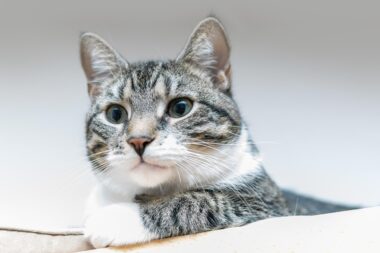
The European Shorthair is a breed renowned for its unique traits, setting it apart from other shorthaired cats like the British Shorthair or American Shorthair. Primarily, these breeds differ significantly in temperament, physical appearance, and historical background. The European Shorthair exhibits a robust and athletic body, characterized by a rounded head and expressive eyes. In contrast, the British Shorthair tends to showcase a more stocky build with a plush, dense coat. On the other hand, the American Shorthair presents a slightly longer and more muscular physique. The slight differences in their structure reflect the nuances in their genetic makeup. When considering temperament, the European Shorthair is often described as playful yet independent, while the British Shorthair is known for its calm demeanor. American Shorthairs typically display a friendly and adaptable nature. Thus, understanding these subtle differences is essential for potential owners looking to choose a cat that best fits their lifestyle or preferences.
Furthermore, the European Shorthair excels in adaptability and sociability, characteristics that make it an excellent family pet. Unlike the British Shorthair, which can be somewhat aloof, the European Shorthair thrives on interaction and play. This breed has origins steeped in history, tracing back to ancient times when they roamed through European streets hunting vermin. This hunting lineage has translated into their high energy levels and playful nature. When compared to American Shorthairs, European Shorthairs can demonstrate a more reserved side. Therefore, their behavioral traits make it essential to engage them in interactive games and challenges. Owners will find the European Shorthair to be an intelligent breed that enjoys learning tricks, similar to the patterns exhibited in different felines. These characteristics not only enhance their relationship with their human companions but also contribute to their overall well-being. Socialization and stimulation are critical for the European Shorthair, as they can quickly become bored without adequate interaction, leading to behavioral issues that can be prevented with proper care.
Coat and Color Comparisons
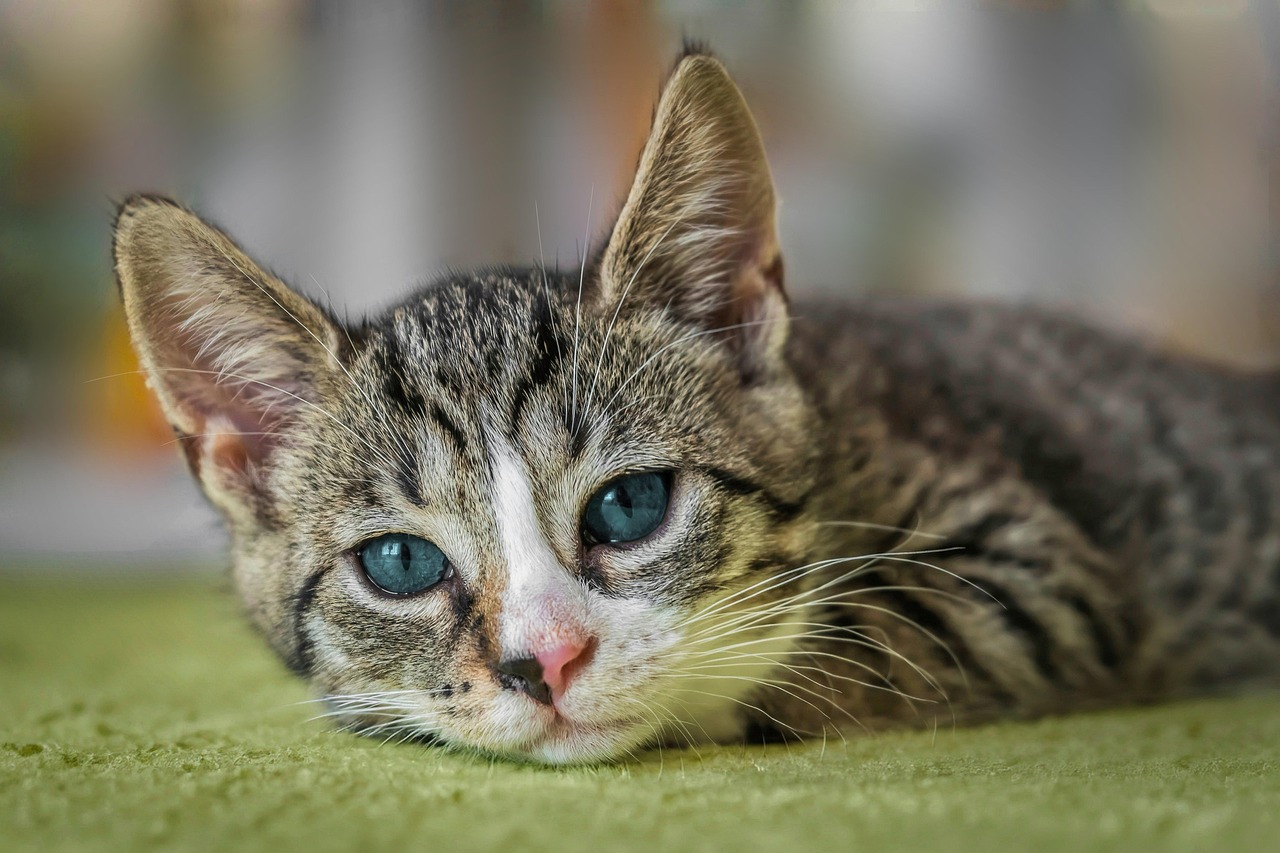
The coat of the European Shorthair is another defining feature that contrasts significantly with those of other breeds. Generally, this breed sports a short, dense, and resilient coat which thrives in various climates. The texture and quality of their fur make grooming relatively easy compared to British Shorthairs, whose coats require more maintenance. British Shorthairs have a uniquely plush texture, and while they shed, their undercoat can clump if not regularly brushed. American Shorthairs exhibit various coat patterns and colors, leading to a more diverse appearance overall. The European Shorthair, however, maintains a classic set of standard colors that often include tabby, solid, and bicolor patterns. Each color variation showcases their rich heritage and enhances their robust appearance. Considering these physical attributes aids potential cat owners in understanding the unique beauty of each breed. Investing time in learning these distinctions allows individuals to appreciate the uniqueness each breed brings to a household. When choosing a cat, understanding these differences is crucial in selecting the best match.
When it comes to size, the European Shorthair typically measures around 13 to 18 inches in length, but varies due to genetics. This range makes them comparable to the British Shorthair, which also varies in size but leans toward a more cylindrical shape. Focusing on the American Shorthair, these cats tend to be similar in height but often carry more muscle mass due to a different breeding focus. The European Shorthair’s medium to large size leads to an impression of sturdiness that can be appealing to potential owners. This sturdiness is complemented by their strong bones and well-defined musculature, which showcases their rustic lineage and adaptability. Prospective buyers should also consider substantial factors such as dietary needs, as larger breeds may require specific nutritional support to sustain their energy levels. Knowledge of every breed’s size attributes can aid individuals in forming realistic expectations regarding their space requirements. With all these variations, selecting a cat becomes more accessible when individuals familiarize themselves with the characteristics across distinct shorthair breeds.
Health and Lifespan
Health is paramount when comparing the European Shorthair to other shorthaired breeds, as it influences prospective owners’ decisions. The European Shorthair is known for its robust health, often attributed to their genetic diversity and historic breeding practices, where they were naturally selected for resilience. This breed often enjoys a lifespan of 12 to 15 years with proper care. In contrast, the British Shorthair may face certain health issues such as heart problems, potentially affecting lifespan. The American Shorthair exhibits similar variances in health, with some reported conditions that may impact longevity. Consequently, researching breed-specific health concerns can aid prospective owners in making informed decisions regarding feline companions. Routine veterinary checkups combined with proper nutrition foster a longer and healthier life for all breeds. For potential buyers, understanding the health histories of these breeds can help predict future health risks and ensure they provide necessary care. Hence, knowledge and proactive measures regarding health can lead to nurturing a happy and long-lived pet.
Additionally, the European Shorthair requires a balanced diet to maintain its energetic and playful spirit. Nutritional requirements vary slightly across different breeds, and the European Shorthair’s diet typically consists of high-quality protein to support its active lifestyle. The British Shorthair may have dietary restrictions due to its propensity to gain weight, necessitating a well-structured feeding regimen. Owners of American Shorthairs may find it easier to monitor weight due to a traditionally active nature fused with robust foraging instincts. All breeds benefit from fresh water and a mix of dry and wet food, catering to their hydration needs. Understanding these differences enables owners to provide the essential dietary care each breed requires, ensuring their well-being. Careful selection of food tailored to their needs contributes to optimum health and energy levels, preventing future health issues from arising. Nutrition plays an integral role, requiring constant evaluation to adapt to their changing life stages. This consideration is crucial for enhancing longevity and overall quality of life regardless of breed.
Socialization and Training
Socialization is vital not only for the emotional well-being of any kitten or cat but also for fostering positive behaviors. The European Shorthair stands out for its robust ability to adapt and bond with its family. Training is also important, as these cats respond well to positive reinforcement techniques. Conversely, British Shorthairs may often exhibit a more stubborn streak, requiring more patience during training. Moreover, American Shorthairs typically adapt quickly to training, proving to be intelligent learners. For the European Shorthair, socialization begins at a young age and should involve gentle interaction with various people and pets. Regular exposure minimizes any unwanted behavior stemming from anxiety or fearfulness in adulthood. Providing plenty of stimulating toys, interactive play, and ample human companionship is essential for fostering a confident cat. A well-socialized cat tends to fare better in multi-pet households, inviting harmonious relationships among all members of the family. This consideration is crucial for owners who wish to expand their furry companions’ social circles and ensure positive interactions moving forward.
Finally, understanding the differences in grooming needs among various breeds highlights essential responsibilities for cat owners. Grooming practices for the European Shorthair are generally minimal due to its short and resilient coat, giving owners an advantage when it comes to maintenance. In comparison, the British Shorthair needs more frequent grooming to maintain its plush coat, as it sheds more due to its dense undercoat. American Shorthairs can also vary in grooming demands depending on coat type but often require a balanced approach. Owners of European Shorthairs can focus on regular brushing to minimize shedding and promote a healthy coat. Establishing a consistent grooming routine not only ensures their coat remains vibrant but also reinforces the bond between cat and owner. Owners should integrate grooming sessions as part of their regular schedule to ensure adherence to care needs. By understanding the grooming distinctions, owners can develop appropriate care regimens that suit their cat’s specific breed, ultimately enriching their bond and enhancing the well-being of their furbabies.