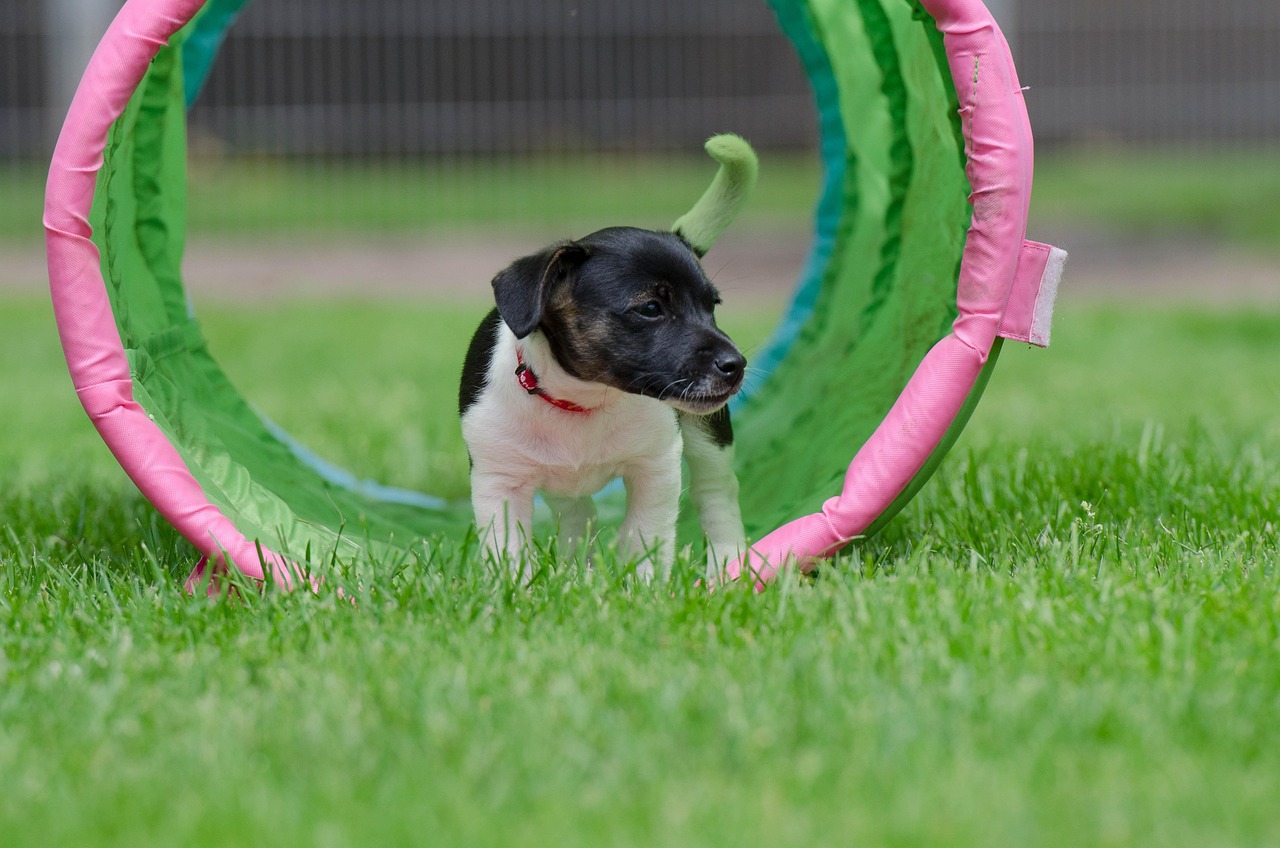

Why Early Socialization Is Not Just a Phase for Your Dog
Dog socialization is a crucial process that shapes your dog’s behavior and temperament throughout their life. Many people mistakenly believe that socialization is just a phase that ends after puppyhood, but this could not be further from the truth. Early socialization helps puppies learn to interact appropriately with various people, animals, and environments. This learning process continues throughout their life, reinforcing their ability to adapt to new situations. It is essential to expose your dog to different stimuli early on to prevent future behavioral issues, such as aggression or anxiety. Research indicates that dogs who were properly socialized during their early months tend to be more well-adjusted and confident adults. Additionally, socialization can enhance your dog’s quality of life, creating opportunities for enjoyable interactions. This leads to a happier existence for both pets and owners. Ultimately, investing time in socializing your dog is beneficial in preventing unwanted behaviors later on. To ensure your dog’s growth and happiness, prioritize socialization from an early age.
Despite the importance of socialization, several myths persist around the process. One common misconception is that socialization can be completed in a short time frame, often just within the first few months of a puppy’s life. In reality, socialization is an ongoing process throughout a dog’s life. This means regular, diverse experiences outside the early months are necessary. Continued exposure helps reinforce the lessons learned early on and enables dogs to adapt to new situations more effectively. Additionally, some believe that only certain breeds need socialization. However, every dog, regardless of breed, can benefit from socialization regardless of their temperament. Socializing helps calm fears and build confidence, which is vital for dogs that might naturally be timid or overly energetic. Another myth is that socializing always involves play. While play is important, it can also include exposure to various environments, noises, and people. Taking your dog for walks in different locations can significantly aid their social development. Always focus on creating positive, enriching experiences during these times.
Signs Your Dog Needs More Socialization
Identifying if your dog requires further socialization is crucial for their well-being. Certain signs can indicate a lack of proper social exposure. For instance, if your dog appears fearful or anxious in new situations, this may be a clear indicator they need further socialization. Other symptoms include overexcitement, aggression toward other dogs, or excessive barking. Dogs that display signs of discomfort or stress in unfamiliar environments often require additional social interactions to help them adjust and feel more comfortable. Alternatively, if your dog seems overly friendly and approaches every person or dog without caution, they may benefit from learning about boundaries. Proper socialization can help teach appropriate behavior and ensure your dog can effectively interact with others. If you notice your dog has become increasingly reactive toward unfamiliar dogs or people, it could be a sign that they have not experienced enough varied interactions. Addressing these behaviors promptly and ensuring positive experiences can significantly improve your dog’s confidence and overall quality of life.
Engaging in dog training classes is an excellent way to promote continued socialization across all stages of life. These classes offer structured environments where dogs can meet others and interact safely. Professional trainers often encourage positive reinforcement techniques to ensure a stress-free learning experience. Socializing with other dogs in a controlled setting helps build social skills crucial for lifelong interaction. Additionally, dog parks can be an option, but they require careful monitoring as not all dogs are well-behaved. It is key to ensure your dog remains under supervision and well-exposed to friendly dogs. Furthermore, participating in community events or group walks can provide further opportunities for your dog to learn social cues. Regular outings help your dog develop a more flexible temperament toward varied surroundings and stimulate their curiosity. Encouraging interactions at different life stages reinforces the lessons learned during puppyhood. Continuous engagement with the outside world prepares your dog better for everyday scenarios and environments, alleviating fear or anxiety learned through limited exposure.
Positive Experiences Are Essential
Creating positive experiences during socialization is essential for effective learning. Harsh corrections or negative encounters can lead to a fearful or aggressive dog, undermining socialization efforts. Always prioritize your dog’s feeling of safety and comfort during social interactions. Gradually introducing your dog to new experiences helps build confidence and avoid overwhelming them. For instance, bringing your dog to a quiet park first, before moving to busier locations, can ease anxiety. Pair these experiences with treats or praise to help your dog associate new situations with positive outcomes. Additionally, ensure other dogs are friendly and calm when meeting as part of socialization. This helps reduce the possibility of bad interactions which can negatively impact your dog’s perception of social situations. Continuing these positive experiences throughout your dog’s life supports their ability to adjust to new environments seamlessly. Regularly providing opportunities to meet new people and animals can significantly enhance their social skills, leading to balanced behavior. Focus on creating enriching, enjoyable experiences, and promote a happy, socially adept canine companion for life.
Another common myth is the belief that older dogs can’t be socialized successfully. While puppies are undoubtedly more impressionable, older dogs can learn new behaviors as well. Socialization is not limited to a specific age, and adult dogs can still acquire valuable skills through exposure to new situations. However, it might require a bit more patience and encouragement. Resources like supervised doggy playdates or community training events can work wonders for socializing older dogs. Positive reinforcement comes into play here as well, rewarding them for calm behavior in new settings. Each small victory reinforces their confidence and willingness to engage. Moreover, adopting a rescue or older dog can certainly benefit from increased socialization. Many dogs in these situations may have had negative experiences that need to be overcome. Customizing social experiences to your dog’s pace is critical to their progress as a social canine. Realizing that any dog can be socialized will make the process much smoother for everyone involved. Remember, patience is critical when socializing older dogs, as they may require gradual exposure to new environments.
Conclusion
In conclusion, early socialization is a lifelong commitment that enhances your dog’s overall quality of life. Understanding and dispelling common myths is essential to promote proper practices within the dog owner community. Beginning socialization during early development is crucial, with continued efforts necessary throughout their lives. Regardless of age, all dogs can partake in positive experiences that build their confidence and social skills. Focus on creating enjoyable, safe interactions to help your dog learn and grow. Patience and persistence will ensure that your dog transitions smoothly into various environments, reducing fear and anxiety. An investment in socialization pays off with a happier, more well-adjusted canine companion. Always engage in opportunities that promote positive interactions while consistently providing support and guidance. Properly socializing your dog sets them up for success, fostering better relationships with their human families and fellow canines. Ultimately, socialized dogs are not only well-behaved but also enjoy a happier and healthier life with their loved ones. Investing time and effort into socializing your dog is one of the most rewarding aspects of being a responsible pet owner.
For more insights and tips on dog socialization, feel free to explore various resources available online or seek out local canine behaviorists. Online communities often provide support and shared experiences that can prove beneficial as you navigate the socialization journey with your dog. Regularly engaging in conversations with fellow dog owners can yield advice and reassurance. Whether you’re seeking guidance, support, or new ideas, tools for enhancing your dog’s socialization journey are readily accessible. Working closely with a professional trainer or local pet clubs can also enrich your understanding and equip you with strategies for teaching your dog how to interact positively. Remember, there is no one-size-fits-all approach; adjust your methods based on your dog’s unique personality and experiences. From puppyhood all the way to adulthood, your focus should remain on fostering enrichment experiences that lead to confident canine companions. Socialization is a lifelong endeavor, and as responsible pet owners, it’s our duty to uphold that commitment. Equip yourself with knowledge and best practices, ensuring you and your dog can confidently enjoy the world together.