
The Importance of Naps: Why Dogs Need Rest Throughout the Day
Just like human beings, dogs require adequate sleep and rest to maintain their health and well-being. A well-rested dog is typically happier, more energetic, and less prone to behavioral issues. It’s crucial for dog owners to understand that frequent naps contribute to a dog’s mental and physical health. Sleep profoundly influences their daily activities, cognition, and emotional balance. Dogs spend a considerable amount of time sleeping, averaging about 12 to 14 hours a day, depending on the breed and age. Puppy dogs and older dogs generally need more sleep, which is vital for their growth and recovery. Proper rest can help prevent stress and fatigue, enabling dogs to engage more actively in their afternoon walks and playtime. If your dog exhibits signs of lethargy, it might need more down time during the day. Creating a cozy, quiet space in your home for naps is essential for fostering this need. In summary, understanding your dog’s sleep and rest requirements is an essential aspect of responsible pet parenting. It lays the foundation for a long, healthy, and happy life together.
Many dog owners may underestimate just how important regular sleep is for their furry friends. Dogs, like humans, process information and experiences while they rest. When a dog sleeps, its brain consolidates memories and learning, which allows them to recall commands and tricks better. Moreover, sleep helps in repairing body tissues and strengthening the immune system, crucial in keeping illness at bay. Insufficient sleep can lead to anxiety, hyperactivity, and even aggression in dogs. To ensure they get quality sleep, it’s essential to create a routine. Just like children, dogs thrive on consistency. Establishing a specific sleep routine helps your dog understand when it’s time to wind down. Additionally, providing a safe and comfortable environment for sleep leads to better rest quality. Factors such as noise, light, and temperature can greatly impact your dog’s ability to sleep through the night. Reducing disturbances helps create a more relaxing sleep environment. Consider using pet-safe calming scents, such as lavender, to promote relaxation. With a little effort, owners can help their dogs achieve the restorative sleep essential for a healthy life.
Identifying Sleep Requirements in Dogs
It’s vital for dog owners to recognize the various factors influencing their pets’ sleep needs. Factors such as breed, age, size, and daily activity levels can significantly affect how much sleep a dog requires. For instance, active breeds such as Border Collies may need more rest after a vigorous play session to recover. In contrast, lower-energy breeds, like Bulldogs, may sleep more throughout the day. Puppies usually sleep around 18 to 20 hours, and they have bursts of energy, needing more rest after their playful intervals. Senior dogs also require more sleep to rejuvenate their bodies, especially if health issues arise. Monitoring your dog’s behavior can help identify its unique sleep needs. An increase in sleep time coupled with a decrease in activity could indicate health issues or stress. Consider consulting your veterinarian if you notice significant changes. Moreover, factors such as environmental stressors or family dynamics may affect sleep. Create an optimal environment by minimizing noise and ensuring safe sleeping spaces for better rest.
As a dog parent, establishing a well-structured routine not only benefits your pet’s sleep but also enhances your bond. Dogs thrive when they know what to expect, and a consistent daily schedule will improve their mood and stability. Begin by setting regular feeding times and sticking to them. This will help regulate their metabolic cycle and influence their sleep-wake cycle positively. Also, plan regular walks and playtime, allowing ample time for your dog to relax afterward. Keep in mind that your dog’s breed dictates its energy levels, which influences its need for play and rest. High-energy dogs will require a longer playtime to tire them out than lower-energy breeds. Effective training relies on having a well-rested and focused dog. Incorporating mental stimulation through puzzle toys can also expend energy while providing an outlet for natural instincts. Furthermore, do not hesitate to adjust your routine over time as your dog ages or during seasonal changes. Remember that naps don’t just aid in fatigue recovery; they enhance overall quality of life for your canine companion.
Creating a Restful Environment for Your Dog
Creating a space conducive to sleep is crucial for promoting rest in dogs. Dogs are sensitive to their surroundings, and a secure, comfortable sleeping environment can significantly impact their sleep quality. Start by choosing a designated area that is far away from everyday household chaos. Utilize calming bedding, ensuring your dog has a soft and comfortable sleeping surface that meets its size. Consider investing in a quality pet bed designed for optimal support and comfort. Elements such as temperature also play an essential role; ensure that the area remains a comfortable temperature, avoiding too much heat or cold. Additionally, consider using curtains or shades to control light exposure. Natural light can impact sleep patterns, so creating a dim and quiet space can help dogs feel more at ease. Background noise, such as gentle music or a white noise machine, can cover disruptive sounds. Regularly changing the bedding and keeping the area clean contributes to a more appealing space. Establishing a cozy nook for your dog enables them to feel secure and will encourage much-needed naps during the day.
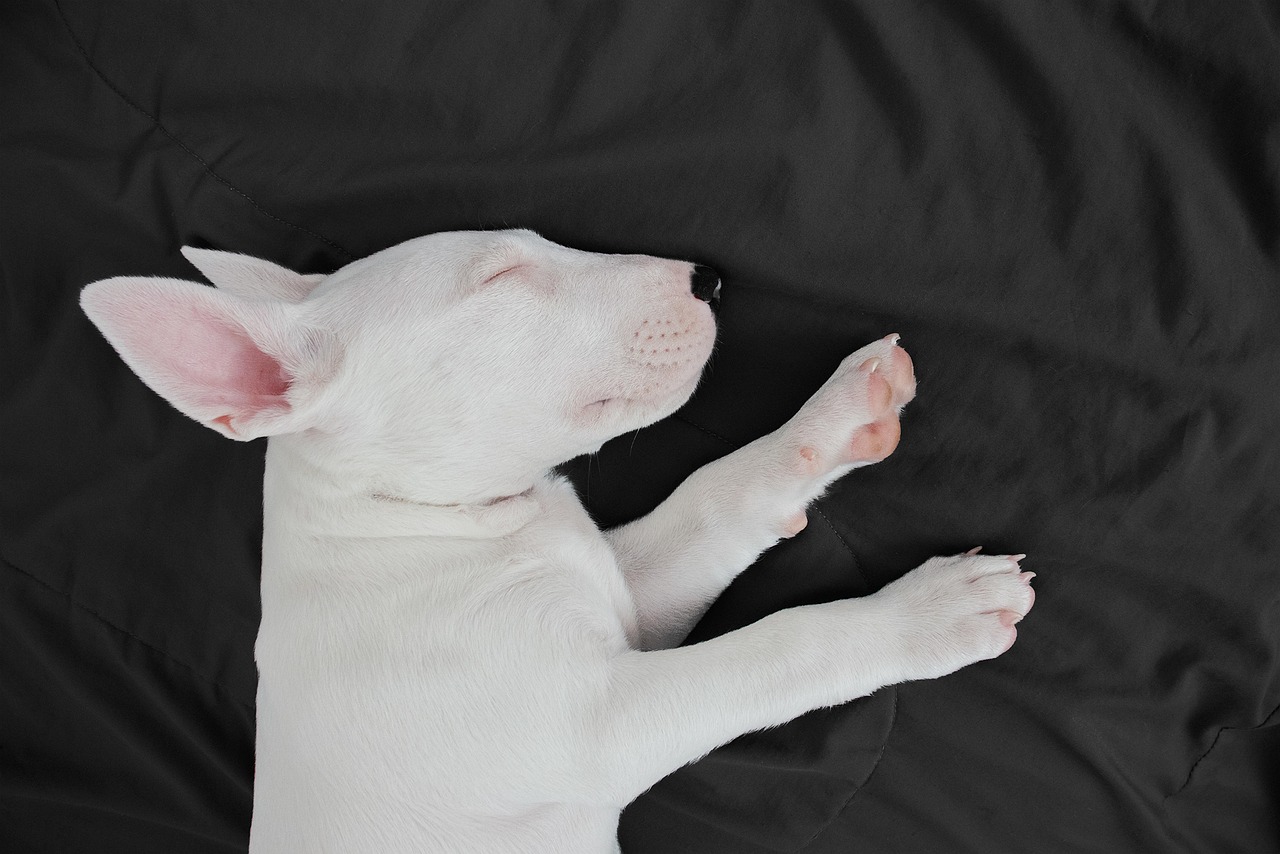
It’s essential to recognize that dogs have various sleep stages, including REM (Rapid Eye Movement) sleep. This stage is crucial for dreaming and overall mental health. During this phase, dogs are most susceptible to being woken up. Disturbing a sleeping dog during REM phase can lead to stress and anxiety. Observing your dog’s sleeping patterns can help you establish when it’s best to let them rest uninterrupted. Signs of deep sleep can be observed through deep breaths, twitching, or rapid leg movements. Provide an understanding space when your dog displays signs of peaceful rest. It’s equally important to respect their need for personal space during sleep hours. Discouraging unwanted interactions during a dog’s sleep not only protects its rest but also helps establish boundaries. Dogs, like humans, need personal space to feel secure. Also, do not forget that physical activity is also an essential component for a good night’s sleep. Encourage regular exercise during the day. This helps them release pent-up energy, ensuring that they are ready for a restful sleep at night within their secure environment. Taking these aspects into consideration helps create a balanced life.
The Health Benefits of Quality Rest
The health benefits of ensuring quality rest for your dog cannot be overstated. Quality sleep fosters better memory retention, improved mood, mental sharpness, and an overall healthier immune system. Just like humans, well-rested dogs are more tolerant and affectionate. They are less prone to stress and anxiety, leading to more stable behavioral traits. Poor sleep can lead to significant health risks, such as obesity, cardiac issues, and impaired cognitive function. Additionally, ensuring your dog receives the correct amount of healthy sleep has proven to reduce the risk of age-related problems in aging dogs. Older dogs especially benefit from quality rest, as it alleviates joint pain and conserves energy. Working closely with your veterinarian to understand your dog’s specific health conditions can help direct adjustments to its sleep environment. Healthy sleep, combined with a balanced diet, routine exercise, and regular check-up appointments with a vet, can greatly enhance your dog’s overall health and longevity. Recognizing that sleep impacts your dog’s emotional, mental, and physical health is crucial for being an attentive and responsible dog parent.
In conclusion, rest and sleep are fundamental aspects of your dog’s well-being, contributing significantly to their happiness and health. Understanding and catering to their individual needs will lead to a more strengthened bond with your furry companion. Taking the time to prioritize your dog’s naps and creating a peaceful environment for rest will yield long-term benefits for both you and your dog. Dogs rely on us for their care, and meeting their sleep requirements is just as important as providing proper nutrition and exercise. By integrating these sleep strategies into your daily routine, you can help ensure your dog leads a healthy, fulfilled life. Regularly evaluating sleep patterns, adjusting routines, and simply respecting their sleeping space will foster a supportive environment. As a pet owner, you contribute positively to your dog’s overall mental and emotional health, reinforcing the trust between you and your pet. Ultimately, understanding the intricacies of their sleep and rest needs will improve your life together. Ensure your dog’s emotional and physical needs are met so they can flourish in their roles as loving companions. Your attention to these details shines through in everything they do.