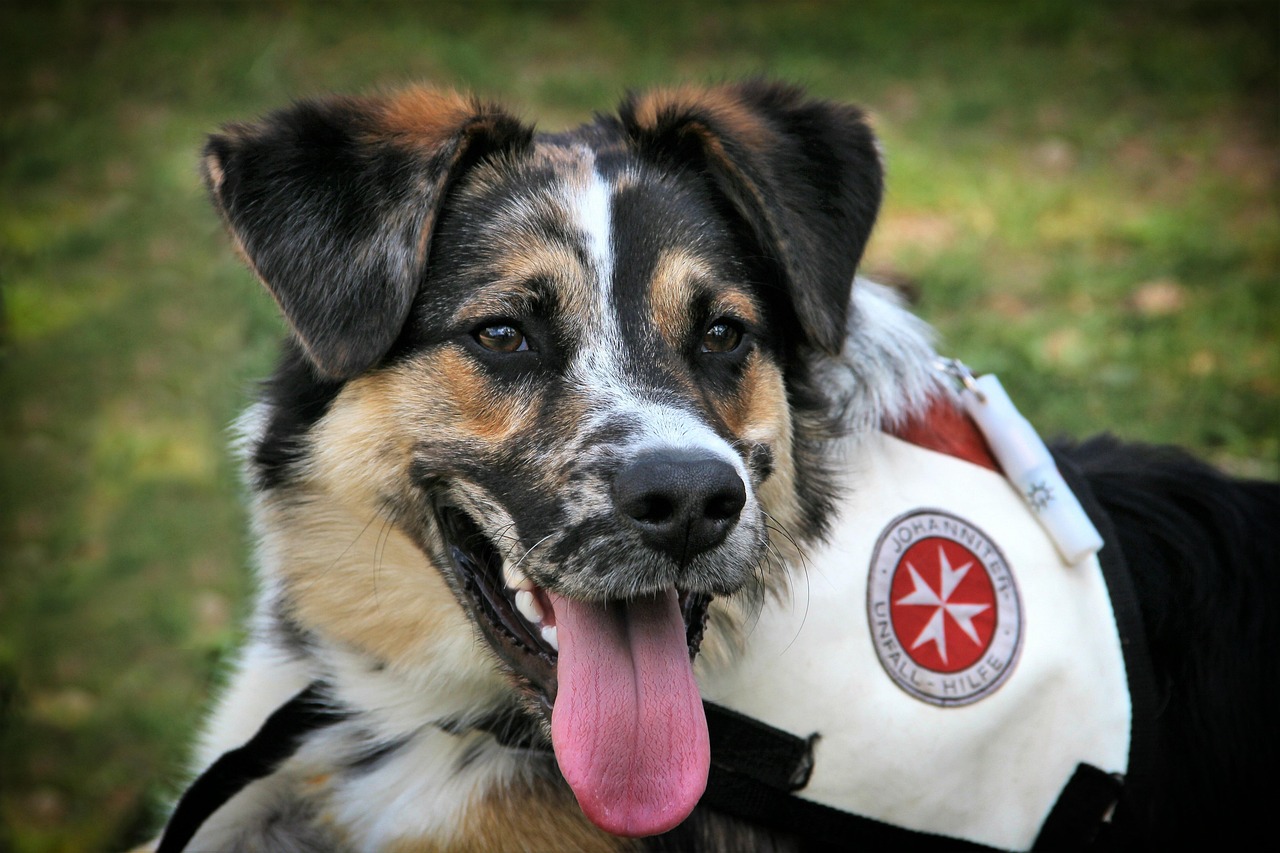

The Role of Behavioral Training in Dog Rescue Work
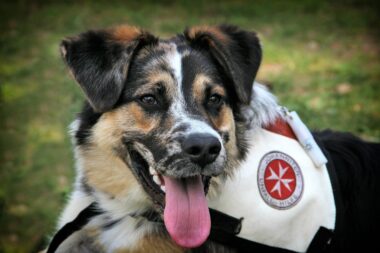
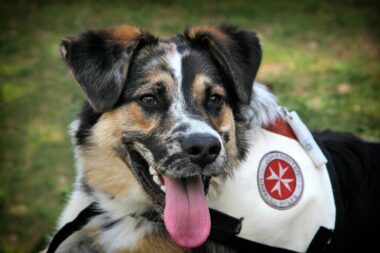
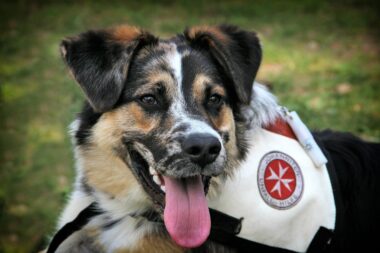
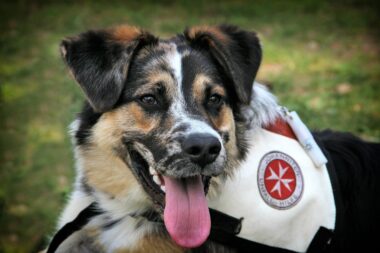
Dog rescue work is an essential part of animal welfare, focusing on saving homeless, abused, or abandoned dogs. Behavioral training plays a significant role in this process. It helps socializing dogs, teaching them how to interact with humans and other pets in positive and constructive ways. Rescued dogs often exhibit problematic behaviors due to past trauma, so training becomes vital. Trainers use various techniques to address aggression, fear, and anxiety. Implementing consistent and positive reinforcement methods fosters a trusting environment for the dogs. Every session builds on previous lessons, which enriches their learning experience. Additionally, understanding canine behavior is critical in tailoring training methods for each unique dog. This knowledge allows trainers to engage more effectively with the dogs, ultimately maximizing the success of their recovery. Workshops that combine hands-on practice with classroom learning can empower volunteers with the skills they need. Collaborative training efforts help create a network of informed advocates for rescue efforts. Therefore, enhancing behavioral training approaches can positively impact the lives of countless dogs in need.
Importance of Socialization in Rescue Dogs
One primary aim of behavioral training is enhancing the social skills of rescue dogs. Proper socialization techniques can have transformative effects on their demeanor and adaptability. Rescued dogs may exhibit fear or aggression towards unfamiliar people or animals, making socialization crucial for successful rehabilitation. Engaging with other dogs fosters healthy interactions and diminishes anxiety. Trainers often organize group sessions, where rescued dogs can meet well-behaved peers. These sessions create safe settings for dogs to explore, adapt, and overcome their fears gradually. Furthermore, trained volunteers can guide interactions, ensuring that both the rescue dogs and their new friends learn appropriate behaviors. Puppy socialization classes can also encourage positive development, particularly for younger dogs. A well-socialized dog is more likely to find a forever home, as potential adopters prefer these friendly companions. Involving adoptive families in training processes is essential to continue effective socialization at home. This ongoing connection between training and daily life reinforces desirable behavior. As such, improving socialization techniques benefits both dogs and their future families, paving the way for successful, harmonious relationships.
Many rescue organizations are increasingly recognizing the need for specialized training methodologies to improve adoptability rates. Customized behavioral programs can address the unique challenges faced by different breeds. Each dog comes with its unique personality traits, backgrounds, and behavioral challenges. Trainers often assess these factors during the evaluation process, tailoring their approaches to fit the specific needs of individual dogs. Moreover, shelter staff and volunteers should be adequately trained in understanding canine behavior and effective communication techniques. Workshops focused on these aspects can foster a more skilled team to support the behavioral training process. This training should include different avenues of training, such as basic commands, house training, and conflict resolution. Training time can also be allocated for volunteers to practice with different dogs. In addition, utilizing interactive toys can enhance learning experiences. When a dog learns through play, it increases retention and enthusiasm for the training process. Furthermore, the use of positive reinforcement encourages desired behaviors. Consequently, effective training methods can reduce the chances of dogs returning to shelters by preparing them for their future homes.
Behavior Modification for Challenging Cases
Some rescued dogs come with complex behavioral issues that require intensive training approaches for modification. Dogs suffering from severe trauma may exhibit aggressive behaviors or be overly fearful, necessitating professional intervention. Behavioral modification techniques may include desensitization, counterconditioning, and controlled exposure to feared stimuli. These methods aim to help dogs overcome their fears gradually and learn to respond to triggers in a more positive manner. Additionally, working alongside a professional trainer can provide valuable insight and tools for managing challenging cases. Trainers can identify specific problems and customize plans suited for the individual dog based on their experiences and reactions. Part of the training may focus on teaching the dog coping strategies for stressful situations. Implementing stress-relief methods, like providing safe spaces or comfort objects, can foster a sense of security. Support from a network, such as fostering families or rescue organizations, can further facilitate successful behavioral transformation. By addressing these tough cases, the likelihood of rescue dogs thriving in their forever homes increases dramatically. Ultimately, every successful modification story inspires hope and encourages ongoing support for dog rescue efforts.
Furthermore, training for dog rescue volunteers is equally important in maximizing positive outcomes. Volunteers often have primary responsibility for daily training sessions, making their skills crucial for the rehabilitation process. Conducting regular training sessions instructs volunteers in effective communication, handling, and behavioral principles vital for rescue success. Utilizing an experienced trainer to facilitate workshops specifically designed for volunteers can significantly enhance their confidence. Participants can gain insights and practical skills needed for varied challenges faced by different dogs. The sharing of experiences within workshops can also cement community bonds among volunteers. When volunteers feel empowered, it translates into better care for the dogs and improved rescue dynamics. Moreover, volunteer-driven programs can build awareness within the community about the importance of trained rescue teams. Raising public awareness about the needs of rescue dogs encourages deeper community involvement, whether through volunteering or fostering opportunities. As a result, these workshops are essential for fostering a culture of empathy and commitment, leading volunteers to advocate passionately on behalf of the dogs. Long-term engagement results in a well-trained volunteer base, directly benefiting the animals in their care.
Strengthening Adoption Success Rates
Adoption success rates can be heavily influenced by effective behavioral training programs, transforming both the experience for the dogs and their new families. Training creates well-rounded animals that can seamlessly fit into their new home environments. When potential adopters meet dogs that respond reliably to cues and exhibit friendly behavior, the likelihood of adoption increases significantly. Many individuals seek companions who have undergone behavioral training, believing these dogs are more likely to adapt well. Offering training resources as part of the adoption process sets up new pet owners for success. They can ensure consistency in behavior, reinforcing the skills learned during shelter training. Moreover, ongoing training classes post-adoption offer continuity, allowing new families to bond while furthering their dog’s education. Encouraging newly adopted families to stay connected with shelters promotes a supportive community atmosphere. This connection can foster responsible pet ownership while reducing the chances of rehoming due to behavioral issues. Ultimately, enhanced training for both dogs and their owners cultivates a foundation for lasting relationships. The significance of behavioral training grows with its ability to support successful adoption transitions into stable, loving homes.
In conclusion, the role of behavioral training in dog rescue work cannot be overstated. With effective training methodologies, rescued dogs receive the support they need for successful rehabilitation. From enhancing social skills to addressing specific behavioral issues, training can change lives extremely positively. Furthermore, empowering volunteers through educational workshops ensures a holistic approach to caring for rescue dogs. Raising awareness and strengthening community ties promotes advocacy for dog rescue efforts. This collaborative approach encompasses a cycle of support that benefits both the dogs and their caretakers. Additionally, focusing on adoption success through ongoing training enhances the likelihood of long-term companionship. Rescued dogs, paired with loving families, can thrive and become cherished companions. By improving behavioral training in dog rescue initiatives, more dogs can find their forever homes, fulfilling the mission of rescue organizations everywhere. When communities rally together in support, it creates a ripple effect of kindness and compassion toward abandoned dogs. This commitment ultimately leads to a brighter future for countless animals. Fostering this essential work reaffirms our responsibility to protect and nurture our canine companions.