
Color Theory in Cat Photography Composition
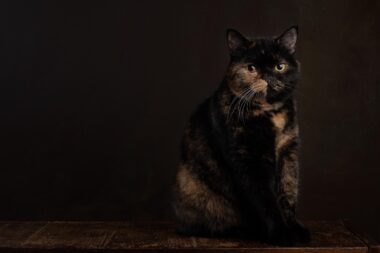
Understanding color theory is vital for those interested in cat photography composition. Colors are potent tools that evoke emotions and tell stories without words. Different colors carry different meanings and can influence the viewer’s perception significantly. For example, warm colors such as reds and yellows create a feeling of warmth and positivity. In contrast, cooler colors, like blues and greens, often evoke calmness and tranquility. Being mindful about color choices improves not only the aesthetics of cat pictures but also enhances emotional engagement. In cat photography, one should consider the colors of the surroundings and the cat’s fur. A well-chosen color palette can create stunning contrasts that draw the viewer’s eye. Additionally, complementary colors can highlight features of the cat, making them stand out in the composition. Remember, colors can work in harmony or create dissonance, hence careful color combinations are key. From the time of planning your shot to post-editing, applying the color theory can elevate your photography skills and ensure your images capture the unique personality of each feline subject.
Warm Colors and Their Impact
When incorporating warm colors in your cat photography composition, focus on vibrant hues that captivate attention. These colors not only energize the environment but can also create a cozy atmosphere for your feline subjects. The presence of red, orange, or yellow in your background or props can enhance the overall warmth of your photos. For instance, shooting a grey tabby cat against a deep orange sunset can yield visually striking images that evoke feelings of joy and nostalgia. Furthermore, warm colors can highlight emotions, making your cat look more inviting and affectionate. Create scenarios where your cat interacts with items in warm colors, such as toys or blankets. This creates a beautiful setting that draws viewers into the photograph’s scene. Learning to manipulate these warm tones can drastically change how your photos are perceived. Using the warmth of colors effectively can convey comfort and affection, resonating deeply with your audience. Each photograph has the potential to tell a story through its color usage, making warm colors a powerful component to emphasize in your photography.
Cool colors in photography can add depth and sophistication to your cat images. Shades of blue, green, and purple tend to produce serene and calming effects, promoting peace and tranquility. When capturing your feline friends, opt for backgrounds featuring cool color palettes, such as lush gardens or tranquil waterscapes. These settings enhance the natural beauty of cats, positioning them gracefully within a harmonious environment. Complementary contrasts between furry textures and cooler backgrounds draw viewers’ eyes to your subject more effectively. Additionally, utilizing cool colors can denote a sense of solitude, allowing the viewer to connect emotionally with the image. However, be cautious not to overdo cool tones, as this can result in images that feel cold or uninviting. Balancing these colors with warm accents can create more compelling compositions that feel both inviting and contemplative. Imagine photographing a fluffy white Persian against a serene blue wall; that striking contrast would create a memorable image. Ultimately, using cool colors strategically can elevate your photography, generating dreamlike moments that capture the essence of your feline subjects.
The Role of Complementary Colors
Complementary colors can make a photograph pop, making them a crucial element in cat photography composition. These colors sit opposite each other on the color wheel and provide a striking contrast. For example, pairing a vibrant orange with a deep blue can create a dynamic and attractive image. This technique can be particularly effective when highlighting your cat’s unique features, such as their bright eyes or colorful fur. Utilizing props or backgrounds in complementary colors enhances your cat’s visual impact in the frame. More than just aesthetics, complementary colors can guide the viewer’s focus directly to your subject. Explore the color wheel, so you understand which colors work well together to draw attention. Implementing this knowledge, you can experiment with varying backdrops, natural settings, and even artificial lighting for stunning effects. Moreover, think about how specific colors complement each other while portraying your cat’s personality. It’s essential to avoid overly busy scenes that could distract from your subject; simplicity can still shine alongside strong color contrasts.
Incorporating shades, tints, and tones creates additional depth in cat photography, enriching compositions. When you manipulate a color’s intensity by adding white, black, or grey, it results in varied emotional tones. Shades darken images and create dramatic visuals, while tints brighten them, ensuring a balanced composition that remains engaging. For instance, utilizing a darker shade of red as the background can produce a striking contrast with a light-colored cat. Adjusting these elements can evoke specific feelings in the viewer. Exploring different variations of colors can add layers to your photographic storytelling. Consider your audience’s emotional response and select your colors accordingly. Sometimes, subtler hues can evoke nostalgia or serenity, while bolder colors might signal excitement. This nuanced approach to color application can inspire viewers to connect on deeper levels. With a clear understanding of these color manipulations, you have the tools to create masterful compositions. Constant practice and experimentation are essential for refining your skills as a cat photographer. Don’t shy from exploring a variety of tinted images, playing with light and shadows to see how they transform your cat photography.
Combining Colors for Cohesion
Crafting a cohesive color palette is vital for dynamic cat photography composition. A well-thought-out color scheme ties images together, providing a professional finish that tells a story. You can achieve this by picking a few colors and maintaining consistency across your images. Utilize color tools and palettes to identify harmonious colors that enhance your subjects without overwhelming them. Consider a muted palette for a softer look or vibrant tones for more energetic images. A cohesive palette also promotes brand identity if you’re building a portfolio, helping potential clients recognize your style. Look to nature for inspiration, as outdoor settings often contain naturally occurring color schemes. Observing your cat in various environments will reveal opportunities to highlight specific color combinations effectively. Capturing seasonal contrasts can also add variety to your work; warm autumn hues versus cool winter tones, for example, can create distinctive imagery. Attention to detail in your color choices can lead to exceptional photographs that leave a lasting impression. Embrace creativity when selecting complementary shades that emphasize both the charm and beauty of your feline subjects.
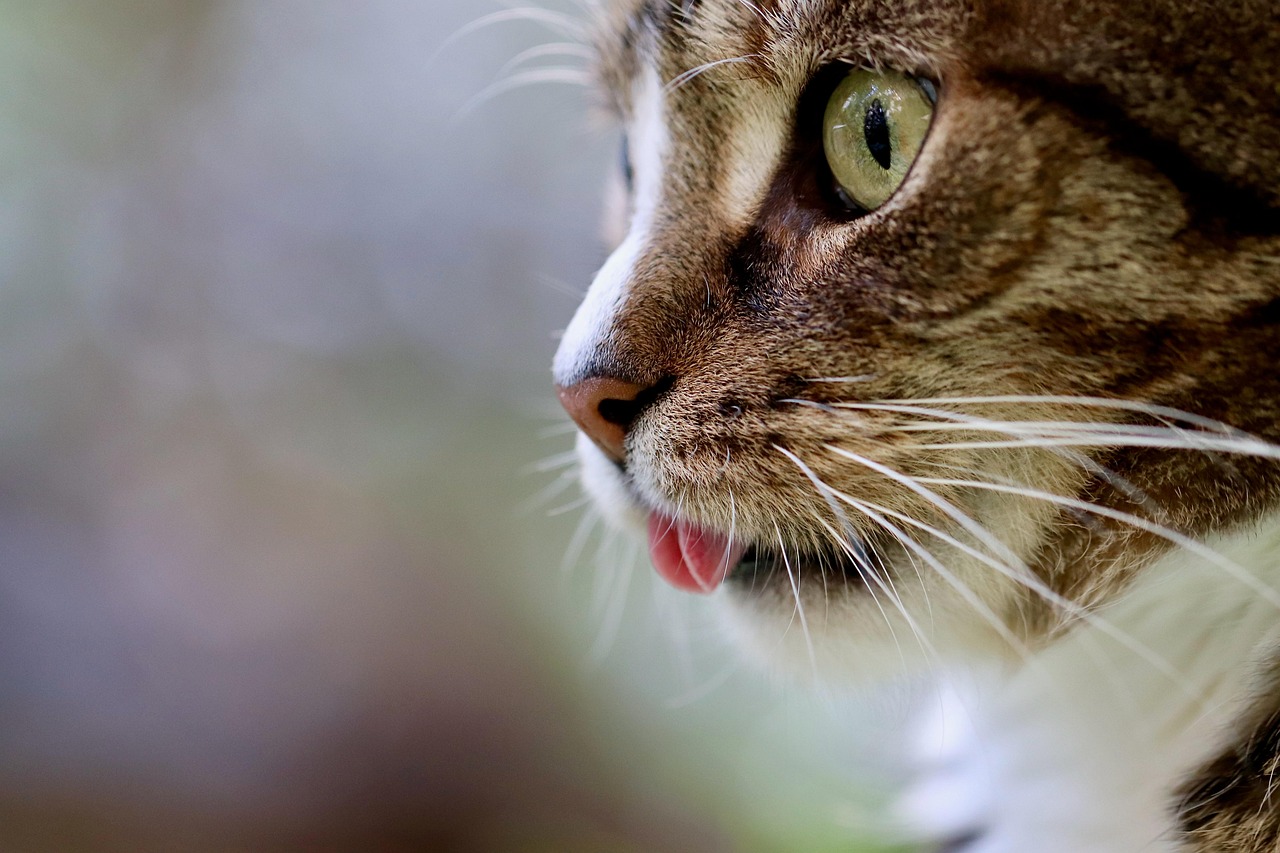
Finally, understanding your camera settings and how they affect color in photography is crucial. The right exposure can enhance colors and ensure they appear vibrant and true to life. Adjusting the white balance is equally important; improper settings can lead to unflattering color casts that detract from your image’s quality. Use natural light to your advantage to highlight the rich colors in your cat’s fur while avoiding harsh shadows. Pay close attention to the time of day when capturing outdoor shots; golden hour lighting brings warmth and radiance. Experimenting with settings helps determine what works best for your style. Post-processing is another avenue to refine colors, allowing for adjustments in saturation, contrast, and sharpness, enhancing the final image. Editing software can be a powerful tool when enhancing color dynamics and correcting exposure. Ultimately, a solid understanding of both natural and artificial lighting, coupled with skillful post-processing, ensures your cat photography compositions stand out through their vivid colors. By mastering these techniques, you will create inviting and captivating images that resonate with any audience.