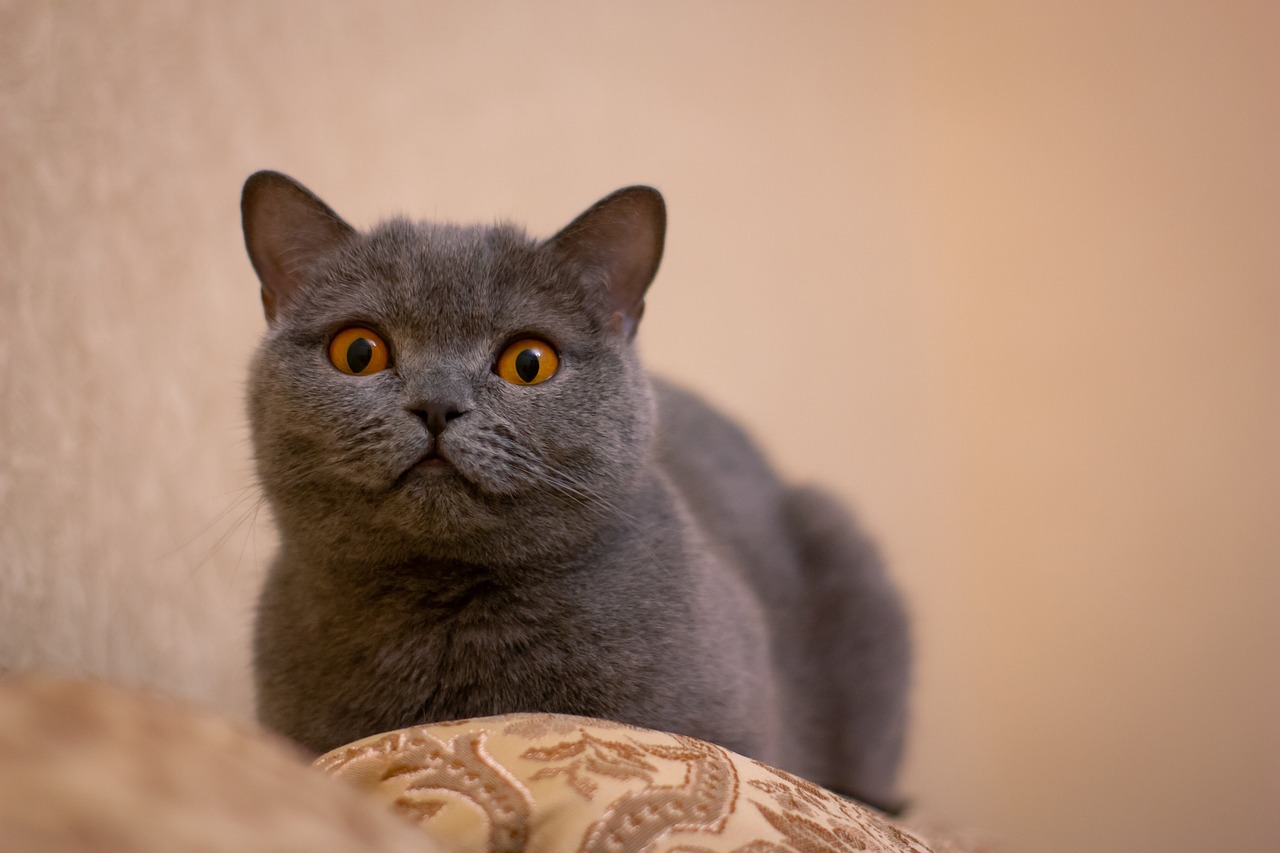

Breeding for Temperament: Upcoming Focus in Cat Breeding
As the world of cat breeding evolves, the focus is increasingly shifting towards the temperament of cats. Traditional breeding strategies often prioritized physical traits such as coat color, size, and pattern. However, breeders are now recognizing the significance of a cat’s personality. Breeding for temperament has become essential in creating high-quality feline companions. Understanding and selecting for temperamental traits can benefit both the animals and the owners. Happy, well-adjusted cats lead to more satisfying human-animal relationships. The growing need for suitable home environments requires cats to be adaptable and emotionally stable. As breeders focus on personality traits, the genetics behind behavior also deserves more attention. Innovative breeding practices can incorporate temperament evaluations in their breeding programs. Moreover, the integration of behavioral science into breeding decisions will result in healthier, happier cats. By understanding the genetic factors that influence temperament, breeders can make more informed choices. This approach ultimately supports responsible breeding decisions, aligning with contemporary animal welfare standards, and caters to the desires of potential pet owners.
As breeders increasingly emphasize temperament, it is vital to consider how environmental factors contribute to a cat’s behavioral traits. While genetics play a crucial role, early socialization and upbringing significantly impact a cat’s disposition. A well-rounded cat is often a product of exposure to various experiences during its formative months. These experiences shape their interactions with humans and other pets. By investing time in socializing kittens, breeders can positively influence temperament. Implementing structured socialization programs alongside genetic selection will provide a balanced approach to breeding. Breeders are also recognizing the value of working closely with animal behaviorists to understand underlying behavioral genetics. This collaboration fosters better breeding practices and enhances the health of future generations. As more breeders begin to adopt this comprehensive perspective, the demand for temperamentally sound cats will continue to increase. Such changes will potentially lead to a significant shift in breeding standards within the cat breeding community. By focusing on positive temperament traits, breeders will be fulfilling the needs and expectations of cat owners looking for more than just a pretty face. Ultimately, this collective effort will promote better relationships.
The Role of Technology in Cat Breeding
Advancements in technology also pave the way for better breeding practices. Data-driven techniques and genetic testing are emerging trends that can greatly aid in selecting the best temperamental traits. By utilizing genetic markers and analyzing lineage, breeders can identify promising candidates for their breeding programs. This scientific approach streamlines the breeding process and ensures healthier outcomes. As knowledge grows surrounding the inheritance of behavioral traits, the capacity to choose specific attributes efficiently increases. Furthermore, technology can facilitate the sharing of behavioral data among breeders. Online platforms allow breeders to exchange information about the temperament of their cats, improving breeding decisions across the board. This could lead to collaboration focused on producing cats with desired personalities. Additionally, using technology can also enhance the monitoring of cat behavior throughout the breeding process. Through wearable technology, breeders can observe their cats in real-time, leading to immediate adjustments in handling and care routines. Ultimately, leveraging technology aids not only in enhancing breeding stock but also fosters a community centered on health and temperament.
The demand for cats with specific temperamental qualities highlights the importance of responsible breeding. Consumers today prioritize animal welfare and are increasingly educated about the ethical implications of breeding practices. As such, breeders should maintain transparency regarding their breeding objectives and methods. This openness cultivates trust among potential cat owners and encourages a responsible approach to pet acquisition. By promoting awareness of the differences in temperament between various breeds, breeders can help prospective owners select the right cat for their household. Moreover, educating owners about the significance of temperament will further support their understanding of feline behavior. With a greater understanding of temperament, owners are more likely to engage in responsible pet ownership practices. This ultimately leads to higher satisfaction rates among cat owners, reducing the likelihood of abandonment. As breeders focus on responsible breeding practices, the potential for understanding behavioral characteristics in cats increases, contributing to overall welfare. Creating educational resources that outline the significance of temperament in cat breeding will also empower owners. Breeders will find that fostering a knowledgeable community surrounding breeding practices incentivizes responsible ownership and enhances the human-animal bond.
Ethics and Regulations in Breeding
As with any evolving industry, the ethical considerations surrounding cat breeding are becoming increasingly scrutinized. Cat breeding organizations are beginning to adapt their regulations to account for the rising emphasis on temperament. Incorporating temperament into breeding standards helps ensure that breeders prioritize the well-being of the animals they produce. This proactive approach can streamline and standardize breeding practices in line with contemporary societal values. Breeders must stay informed about the latest ethical guidelines to maintain their licenses and uphold good standing in breeding communities. Furthermore, the growing demand for attractive and healthy companion animals aligns with the public’s desire for ethical breeding practices. As the emphasis on temperament and animal well-being continues to grow, it’s vital that breeders educate themselves regarding ethical breeding standards. By actively participating in organizations promoting best practices, breeders demonstrate accountability and commitment to the future of their craft. The development of transparent breeding practices fosters a positive outlook on the breeding community as a whole. In addition, these practices create an environment where responsible breeding can flourish, promoting the overall welfare of cats.
Looking ahead, it is clear that temperament-focused breeding will have a lasting impact on the cat breeding industry. As trends shift in response to consumer demand, breeders must adapt to provide the best possible options. By prioritizing temperament in breeding programs, aspiring breeders foster an emotional connection between cat and owner. Furthermore, focusing on personality traits helps improve adoption rates while reducing the number of shelters filled with abandoned cats. As people seek to deepen their relationships with their pets, temperament considerations will be paramount in selection criteria. Progressive breeders will model best practices that emphasize quality over quantity in breeding outcomes. Future breeders will strive to produce vibrant, loving companions able to integrate seamlessly into diverse home environments. The breeding community will also witness a greater collaboration across its spectrum. Whether from shelters, rescue organizations, or show breeders, together, they can contribute to producing cats with great dispositions. The landscape of cat breeding is poised for positive change, led by progressive breeders committed to innovative practices that prioritize temperament. As these trends solidify, the future of cat breeding promises great advancements.
Conclusion: The Future of Cat Breeding
In conclusion, breeding for temperament represents a critical evolution within the cat breeding community. This shift signifies a commitment to enhancing the bond between humans and cats, resulting in better welfare for both. The importance of integrating temperament into breeding programs cannot be overstated, as doing so will enhance the quality of life for countless cats and their owners. As ethics, technology, and education continue to shape the future landscape of cat breeding, the stakes are high. Breeders who adapt to these changes will not only ensure the success of their businesses but will redefine what responsible breeding means in today’s society. By prioritizing temperament and animal welfare, the entire cat breeding industry will cultivate a healthier environment for all felines. Future generations will benefit from responsible practices cultivated today. As the focus on temperament grows, the potential for positive relationships between cats and their human companions reaches new heights. The future of cat breeding is bright, promising a new era focused on emotional well-being, and a stronger bond among pet lovers.
As the world of cat breeding evolves, the focus is increasingly shifting towards the temperament of cats. Traditional breeding strategies often prioritized physical traits such as coat color, size, and pattern. However, breeders are now recognizing the significance of a cat’s personality. Breeding for temperament has become essential in creating high-quality feline companions. Understanding and selecting for temperamental traits can benefit both the animals and the owners. Happy, well-adjusted cats lead to more satisfying human-animal relationships. The growing need for suitable home environments requires cats to be adaptable and emotionally stable. As breeders focus on personality traits, the genetics behind behavior also deserves more attention. Innovative breeding practices can incorporate temperament evaluations in their breeding programs. Moreover, the integration of behavioral science into breeding decisions will result in healthier, happier cats. By understanding the genetic factors that influence temperament, breeders can make more informed choices. This approach ultimately supports responsible breeding decisions, aligning with contemporary animal welfare standards, and caters to the desires of potential pet owners.