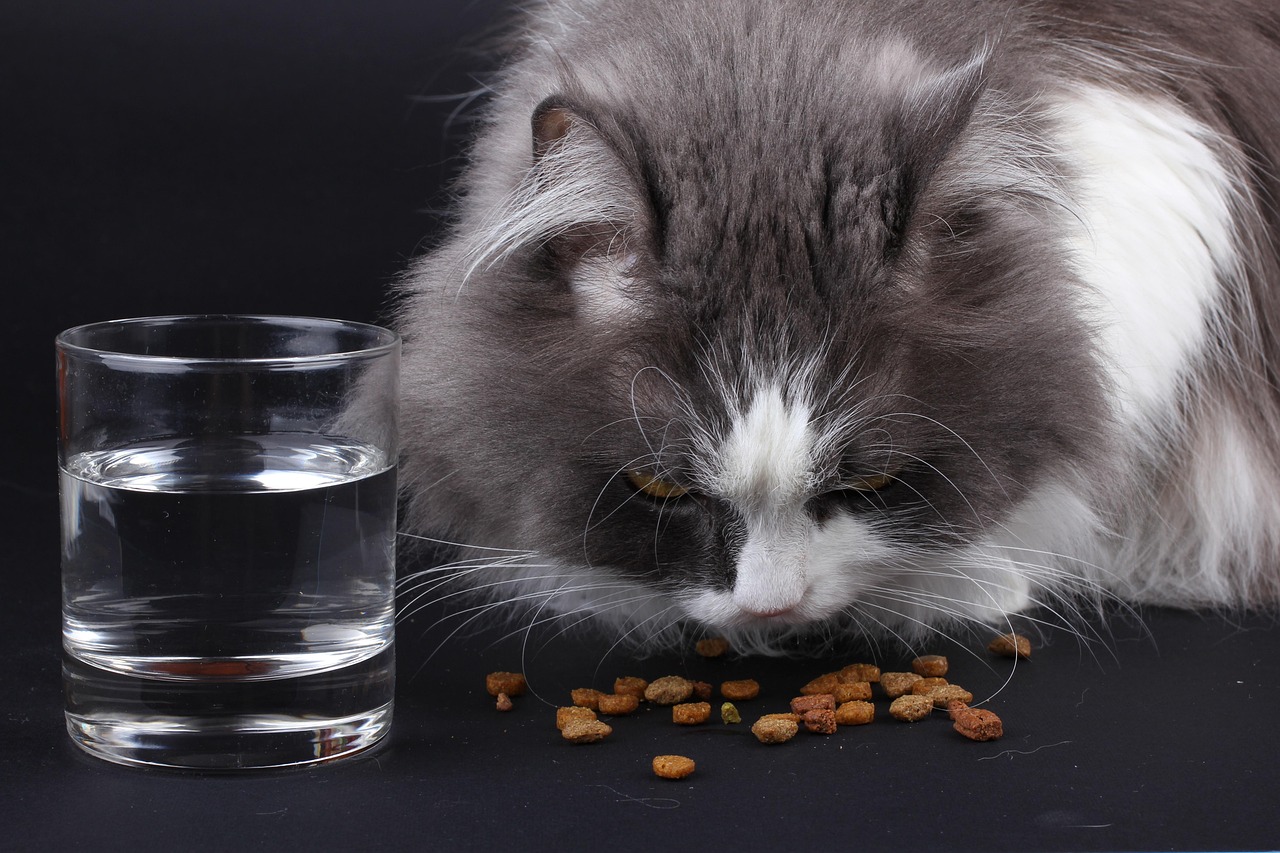

Understanding Nutritional Needs of Kittens
Preparing for kitten adoption involves understanding their unique needs, especially concerning nutrition. Kittens grow rapidly during their first few months, necessitating a special diet. Unlike adult cats, kittens require higher protein and fat levels to support development. A diet rich in animal proteins, vitamins, and minerals, along with omega-3 and omega-6 fatty acids, is essential. Kittens need to be fed high-quality commercial kitten food, specifically formulated for their growth phase. This food generally contains more calories and necessary nutrients than that for adult cats. Additionally, keep fresh water accessible at all times to stay hydrated. Regular feeding schedules are crucial; kittens benefit from multiple small meals throughout the day. Monitoring their weight and adjusting food amounts accordingly helps prevent obesity as they grow. It’s advisable to consult with a veterinarian to establish a tailored nutrition plan based on the kitten’s specific needs. Different breeds may also have varied nutritional requirements. It’s important to avoid feeding kittens adult cat food, as it lacks essential components required for growth. Prioritizing their diet will set a solid foundation for a healthy life ahead.
When selecting food for kittens, parents must consider several critical factors. Quality is paramount; always choose brands that use real ingredients. Avoid products with artificial preservatives, colors, or fillers. Ideally, the food should be AAFCO-approved to ensure it meets the necessary nutritional standards. Manufacturers usually specify that the food is designed for kittens on the packaging. Read nutritional labels for calorie and protein content to ensure they meet the kitten’s needs. The protein source should primarily come from meat, ideally chicken, turkey, or fish. Ingredients like meat by-products should be avoided as they can indicate lower quality. A shift towards wet food can also benefit hydration, ensuring the kitten stays well-hydrated. Offering both wet and dry food gives a balanced diet while keeping the kitten excited about their meals. Additionally, introducing variety in flavors and types will encourage a more robust appetite. However, transitions to new foods should be gradual to avoid gastrointestinal upset. Always monitor your kitten’s reactions to new foods and consult a veterinarian for any persistent issues. A healthy kitten is a joyful companion, and proper nutrition plays an integral role in that joy.
Feeding Guidelines for Kittens
Feeding guidelines for kittens vary by age, size, and breed. Typically, kittens need three to four meals per day for optimal growth. This can gradually decrease to two meals as they approach adulthood. For kittens under six months, it is crucial to provide high-energy food to suit their rapid growth. Once they surpass this age, you can begin to introduce adult cat food, but this should be done gradually. Every kitten is unique due to differing metabolic rates and activity levels, making individual assessment vital. Weighing your kitten regularly can help track growth patterns and ensure they are receiving enough nutrition. Consult with a vet if you notice any drastic weight changes. Additionally, be mindful of potential food allergies. Some kittens may show sensitivity to certain ingredients, leading to symptoms like gastrointestinal upset or skin conditions. Identifying these allergies typically requires keeping a detailed record of their diet and any reactions observed. Once identified, appropriate alternatives can be explored. The importance of balance and variety cannot be stressed enough; keep their meals as diverse and exciting as possible.
Kittens also enjoy treats, which can serve as tools for training and bonding. However, it is important to offer treats with caution, ensuring they do not exceed 10% of their daily caloric intake. The remaining 90% should come from their main diet to maintain a comprehensive nutritional balance. Selecting healthy treats that are appropriately formulated for kittens is wise. Consider options that promote dental health or provide extra nutrients. Raw fruits and vegetables may also be introduced in moderation as occasional snacks. Yet, not all human foods are safe for kittens; consult your veterinarian for safe options. Transitioning quickly between different food types might cause digestive upset, leading to diarrhea. Instead, gradually introduce new foods to your kitten’s diet, allowing their digestive system time to adjust. Keep a watchful eye on bowel movements and general health during this transition. Consistent monitoring will help you gather useful feedback about their overall well-being. Lastly, maintain meal cleanliness and organization to contribute positively to your kitten’s feeding experience. An organized feeding area encourages good habits and good health.
Water Intake and Hydration
Hydration is equally as important as nutrition for kittens. Fresh water must always be available, encouraging your kitten to drink regularly. Kittens can be susceptible to urinary tract issues, especially if they are on a dry food diet. If you are concerned about their water intake, consider using water fountains designed for pets. Moving water often entices kittens to drink more, keeping them hydrated and healthy. Keep water bowls clean and filled, changing the water multiple times a day. Bringing fresh water into their environment allows them to stay active and hydrated. It is essential to monitor your kitten’s urine output; dark or concentrated urine can indicate dehydration. Dehydration can result in severe health problems and is often overlooked. Additional moisture can be provided through wet food options, which allows hydration to be integrated into their main meals. Be sure to assess the moisture content in the meals provided. Some pets enjoy playing in the water, so ensure their new environment is safe and hygienic. Pets that stay hydrated are generally more energetic and playful, positively impacting their development. Healthy kittens lead to happy homes.
As kittens advance in age, their nutritional needs will evolve. It’s essential to adjust their diet based on any changes. At around twelve months, many kittens transition from kitten food to adult food. It’s crucial to do this transition carefully to avoid gastrointestinal issues. Gradually mix adult food into their current diet over a week or two. This will allow the intestinal flora to adjust to the new food. Be observant during this transition, looking for any signs of discomfort or allergies. As they reach adulthood, ensure they maintain a balanced diet to control weight and preserve overall health. Overfeeding or poorly measured portions can lead to obesity. Regular vet check-ups can provide insights into dietary needs pertaining to life stages. Nutrition also plays a role in maintaining a kitten’s coat health and energy levels. A well-balanced diet will keep their fur shiny, and they will be less prone to skin issues. A few small changes can significantly impact their life quality. A focus on nutrition sets the stage for a happy and healthy long life. Knowledge is key in this process.
Conclusion
In conclusion, adopting a kitten is a big responsibility that extends beyond just providing shelter. It’s about ensuring they receive adequate nutrition and hydration to support their growth and overall health. Understanding their specific needs aids in building a strong foundation for their future. Regular monitoring of their diet coupled with guidance from a veterinarian can create a nurturing environment. Nutrition labels should always be your guide in selecting the right food. Products should indicate they are tailored for kittens to substantiate the claims of nutritional adequacy. Remember that proper portions, feeding schedules, and hydration are equally crucial for their well-being. Building healthy habits from an early age promotes a lifetime of good health. Kittens are little explorers, and a balanced diet fuels their curiosity. Pay attention to their preferences and dislikes, as this will add variety and interest to their meals. Follow these guidelines to navigate the intricacies of kitten nutrition. With patience and love, you can contribute positively to their lives. Each kitten brings joy and companionship, and your dedication ensures their thriving future.
By following these guidelines and being attentive to your kitten’s individual needs, you will set the stage for a healthy, happy life together. Investing in your kitten’s nutrition is an investment in your shared future. Every choice you make today influences their health tomorrow. Thus, take your time in researching and understanding what your new companion requires. Building a strong bond through nourishment fosters trust and a deep connection. As they grow and thrive, their devoted nature will provide endless companionship and joy. Always approach their care with love and an open heart, ensuring you take steps toward a harmonious relationship. Remember, a well-fed kitten is a happy kitten. Consistency pays dividends in their growth journey. Celebrate each milestone, as they will guide you in understanding how to provide the best care. Your efforts will ensure your kitten leads a long and fulfilling life. Cherish the moments spent together and build a foundation of health, joy, and love. This rewarding experience of kitten adoption will be intertwined with your dedication to their well-being. Embrace this transitional phase and enjoy the journey ahead with your new furry friend.