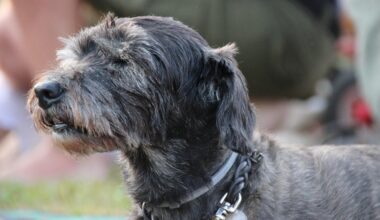

Natural Remedies to Calm Dogs During Thunderstorms
Thunderstorms can be a distressing event for many dogs, often triggering fear and anxiety that may leave owners feeling helpless. While it’s important to provide physical safety, exploring natural remedies can significantly ease your dog’s discomfort. One effective method is creating a safe space for your dog during storms, such as a quiet room or a cozy den filled with blankets. You can also consider pheromone diffusers, which release calming scents that help alleviate anxiety. Some owners report success with weighted blankets, as they provide a comforting, secure feeling. Additionally, ensure your pet remains engaged with their toys, which can serve as a distraction. Regular exercise can also help reduce anxiety by lowering excess energy levels. A calm demeanor during a storm can foster a sense of security in your pet, so try to stay composed. Herbal supplements like chamomile or valerian root can be beneficial but should be administered only after consulting your veterinarian. Always observe your dog’s behavior and adjust your approach until you find what works best for them. With patience and these remedies, you can help your dog feel safe and secure during stormy weather.
Another natural remedy for helping dogs through thunderstorms is to utilize calming music or white noise. Certain sounds can mask the thunder noise that causes anxiety, aiding in relaxation for your furry friend. Many dogs respond positively to gentle classical music or even specially designed soundtracks intended for calming pets. This can be accompanied by creating a peaceful atmosphere, perhaps dimming lights or using a relaxing aroma such as lavender oil. Additionally, you can encourage your dog to engage in independent play while you remain close by. This reassures them of your presence and can distract from the storm outside. Training exercises can also reduce anxiety. Teaching your dog commands and tricks can create a sense of focus and engagement, distracting them from the noise. Consistent practice is key to building confidence. Moreover, consider inviting trusted friends over to create a positive distraction during storms. Interaction and playtime with familiar faces can divert their attention effectively. Finally, remember to reward calm behavior positively, reinforcing the idea that storms are nothing to fear. With time, dogs can learn that storms are just another part of life, and they can cope with them with the right strategies.
Understanding Dog Anxiety
Understanding the causes of dog anxiety is essential for effectively addressing their fear of thunderstorms. For many dogs, the sudden loud noises and flashes of light can trigger a natural flight response, leading to panic and distress. It’s crucial to recognize that this fear is often rooted in a lack of exposure to such stimuli when they were puppies. Helping your dog gradually adapt to loud noises through controlled exposure can help. Start by introducing mild sounds during calm moments and rewarding relaxed behavior. Another common reason for fear can be linked to changes in their environment, especially if they have a history of trauma. Observing your dog’s reactions can help you identify specific triggers beyond thunderstorms, such as fireworks or certain household sounds. Additionally, some breeds are genetically predisposed to anxiety, emphasizing the importance of a proper understanding of your dog’s background. Knowledge can empower you to choose appropriate remedies and training strategies. When you understand what leads to anxiety, it becomes easier to employ techniques that build their confidence. Remember, patience is essential in alleviating anxiety, as each dog may take a different amount of time to adapt to loud noises.
Incorporating routine and predictability in your dog’s life can also play a vital role in calming them during a storm. Dogs thrive on routines, so adhering to consistent daily schedules for feeding, walks, and playtime can provide comfort. This predictability reduces stress as they know what to expect. While unpredictable weather can be challenging, having a plan in place for stormy days can bring a sense of security. For instance, a thunderstorm preparedness kit including their favorite toys, treats, and bedding can create a safe haven when storms hit. Additionally, encouraging quiet time and rest before a storm can help, as a tired dog is less likely to panic. Providing interactive toys or puzzles can also channel excess energy and distract them from loud sounds. Consult your veterinarian for additional recommendations tailored to your dog’s needs. Some dogs may benefit from supplements or gentle calming aids. Always monitor your dog’s reactions and consult professionals when necessary. Careful observation will help you understand what eases their fear and enables you to adjust your strategy effectively.
Seeking Professional Help
If your dog’s fear of thunderstorms is severe and the natural remedies aren’t working, it may be time to seek professional help. Behaviorists or trainers specializing in anxiety can provide tailored guidance suited to your dog’s specific needs. They might suggest a behavior modification plan that incorporates desensitization techniques and counter-conditioning methods. These approaches aim to gradually expose your dog to their fears in a controlled way, minimizing panic reactions over time. In some cases, vets may recommend medication to manage anxiety effectively. While it’s not the first line of defense, medication might be necessary for dogs with severe panic attacks. Working closely with your veterinarian ensures that any prescribed medications are safe and appropriate for your dog. Additionally, consider joining support groups or classes for pet owners facing similar challenges. Sharing experiences and advice with other pet parents can provide encouragement and effective solutions you may not have considered. Above all, understanding that alleviating anxiety takes time can keep you motivated through the process. Your commitment and patience will help develop the best strategies for keeping your dog calm and secure during thunderstorms.
Another aspect of managing your dog’s anxiety during thunderstorms involves creating a bill of rights for your dog. From providing a safe space to respecting their natural instincts, we need to advocate for our pets as diligently as we would for ourselves. Dogs have the right to feel safe in their environments, and by prioritizing their well-being, we affirm this right. Implementing changes in the home environment, such as removing loud squeaky toys during storms or minimizing unnecessary noise can contribute to a more soothing atmosphere. Ensure your dog has access to comforting items, such as favorite toys or blankets that carry their scent. Additionally, engaging in training sessions focusing on obedience and positive reinforcement can empower your dog. Such sessions build a strong bond between you, allowing your dog to feel secure and supported. Positive interactions enhance trust, helping them cope with challenging situations like thunderstorms. Encourage them to relax by practicing deep-breathing exercises together. This can serve as a calming ritual, preparing your dog for the next storm and solidifying your partnership in combating their fears.
Conclusion: Reinforcing Calmness
In conclusion, reinforcing calmness in your dog during thunderstorms demands a multifaceted approach. Relying solely on one method may not be sufficient, thus integrating several strategies can lead to more effective results. Begin by assessing your dog’s unique needs and responding accordingly. Gradually desensitize them to storm-related noises through creative practices and positive reinforcement. Surround them with familiar and comforting elements that they associate with safety. Alternatively, utilizing technology, whether sound machines or calming apps, can offer innovative solutions. Observing your dog’s triggers will help you adapt more precisely and find the perfect combination of techniques for them. Consistency plays a significant role; maintaining a stress-free atmosphere while positively addressing their anxiety will reinforce their sense of security. Always prioritize your dog’s mental health by providing ample love and support. Lastly, remember that the ultimate goal is to help your dog feel relaxed and confident. With the right blend of patience, understanding, and support, you can provide your furry friend comfort during thunderstorms and listening ahead. Together, you can navigate the challenges of fear and emerge more strongly bonded in each storm’s wake.
Implementing these strategies consistently will establish a positive foundation for your dog’s psychological resilience. Celebrating small victories when your dog exhibits calm behavior will only enhance their ongoing development. Positive reinforcement through treats or praise promotes desirable responses, keeping their spirits high. Establishing a collaborative spirit with your pet during thunderstorms will enrich your relationship and improve their confidence in coping with challenges. Dogs aware of their owners’ unwavering support are more likely to flourish in the face of anxiety. Moreover, remain sensitive to the nuanced language of your dog; observe body language that indicates stress and respond appropriately. Proper engagement can include offering distractions such as interactive games or scheduled activities that express love for dog ownership. Strive for a consistently calm environment, ensuring that your dog understands they are in safe hands. A smooth transition through thunderstorms can enhance trust levels between you and your dog. Ultimately, enhancing your dog’s training for thunderstorms will reduce anxiety not only during storms but throughout their lives. By incorporating these natural remedies, both you and your dog can enjoy stormy weather with a little less fear and a lot more peace.