
Maintaining Your Tripod for Stable Cat Photos
When it comes to capturing those precious moments of your feline friend, a tripod can be an invaluable tool. However, just like any equipment, it requires regular maintenance to perform at its best. Poorly maintained tripods can lead to unsteady shots, which is especially frustrating during those fleeting moments when your cat is at its most photogenic. Start by checking the legs of your tripod for any signs of wear or damage. Look for scratches or dents, as these can affect stability. Ensure that all levers and locking mechanisms are functioning smoothly; if they are stiff or loose, they must be repaired or replaced to prevent accidents when photographing a lively cat. Keeping the rubber feet clean will also provide better grip on various surfaces. Additionally, consider the tripod’s head – if it rattles or has stiff movements, you’ll need to address this. Lubrication may help, but ensure you use appropriate products. Regular inspection and simple fixes can prolong the life of your tripod and ensure you consistently capture stunning, stable cat photos.
Cleaning Your Tripod
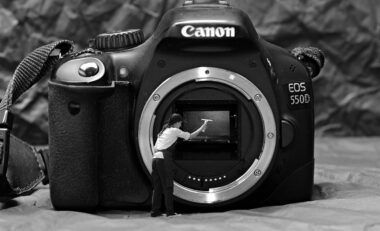
Cleaning your tripod is a fundamental aspect of maintenance that should not be overlooked. Dust, dirt, and grime can accumulate, affecting its overall functionality. To properly clean your tripod, start by disassembling it into its key components, including the legs, center column, and head. Use a soft brush or cloth to wipe away any loose dirt or debris. For stubborn grime, a damp cloth can be used; however, make sure it’s not overly wet, as moisture can damage internal parts. Pay special attention to the joints and locking mechanisms, where dirt often collects. A can of compressed air can effectively blow out dirt from hard-to-reach places. Once clean, take time to inspect each part for any signs of wear or damage. Look for bent parts, rust, or corrosion, especially if your tripod has been exposed to the elements. If you do spot any issues, consider repairing or replacing that part before your next shoot. Regular cleaning will not only improve performance but also extend the life of your equipment, ensuring it remains effective for capturing your cat’s precious moments.
Another crucial aspect of maintaining your tripod for cat photography is ensuring that the gear is properly lubricated. Over time, the lubrication on moving parts can wear out, leading to stiff operation and potential damage. For your tripod’s head, including both ball and pan-tilt types, it is essential to check the smoothness of motion. If it doesn’t feel smooth, then applying a specific lubricant designed for photographic equipment can rejuvenate its performance. Make sure you follow the manufacturer’s guidelines regarding what type of lubricant is appropriate for your tripod. Utilize a small amount on the moving components, and avoid over-lubricating, as this can attract dust and negate the benefits. While lubing, kindly observe whether any parts require replacement; worn-out components can hurt stability and usability. If the issues persist even after lubrication, it might be time to consult the manufacturer for professional advice or service. Proper lubrication of your tripod’s parts enhances its life span and helps you achieve the perfect stability. Consistent performance is vital, especially when waiting for that one magical shot of your beloved feline.
Storage Conditions Matter
Storage conditions for your tripod can significantly impact its longevity and performance. When not in use, store your tripod in a dry place, away from excessive humidity and temperature extremes. Moisture can lead to rust, especially in metal components, while humidity can promote mold in less obvious parts. Ideally, keep your tripod in a dedicated bag or case to protect it from dust and accidental knocks. Many photographers opt for padded bags specifically designed to accommodate tripods. If your area experiences swings in temperature, consider removing your tripod from its storage one day a month to let it acclimate, preventing condensation build-up. Avoid storing your tripod near chemicals or solvents, which may corrode parts. If shooting in diverse environments, it’s prudent to clean your tripod after exposure to saltwater or sandy conditions, as these elements can cause considerable damage. Always remember, the way you store your gear can dramatically affect its performance during shoots. Proper storage ensures that your tripod is always ready to go when the perfect moment arises to photograph your cat, enhancing your photography experience.
No matter how meticulous you are about maintenance, accidents can happen. If your tripod happens to drop or fall while you’re photographing your cat, inspecting it right away becomes critical. Start by checking for any visible damage or bending in the legs and joints. Perform a function check to ensure that the locking mechanisms still work properly. If any components feel loose or don’t move smoothly, those parts will require immediate attention. Additionally, look for cracks in the head or the mounting platform, as these can threaten the integrity of your setup. If you find significant damages, replacing parts may be the best route rather than trying to fix them. Consult the tripod manual or manufacturer for guidance on replacement parts, which can often be ordered online. Staying proactive with your tripod’s upkeep increases the chances of continuing successful photography sessions. Understand that ensuring your equipment’s functionality not only keeps your camera stable but also minimizes the risk of losing precious moments of your playful cat in action. Being vigilant enables better photographic opportunities and lessens the frustrations of unexpected issues.
Understanding Weight Limits
Another vital aspect of tripod maintenance is knowing its weight limit. Each tripod is designed to support a specific maximum load, which is crucial to understand to avoid damaging the structure. If you consistently exceed this limit, it can lead to instability and potential failure during essential shoots, resulting in frustrating moments. Begin by referring to your tripod’s specifications, which usually indicate the maximum weight capacity. Always consider the weight of your camera, lens, and any additional accessories you might attach, like external flashes. Ensuring a proper balance is key to maintaining stability during shoots, especially when photographing dynamic cats. If you frequently use heavy gear, contemplate investing in a heavier-duty tripod designed for increased weight support. Consistently exceeding weight limits can not only damage your gear but can impede overall performance. If unsure about weight limits, consult user reviews or manufacturer specifications for information and recommendations. Knowing your equipment limits helps ensure optimal usage. This knowledge means you can safely capture sharp, well-composed images of your furry friends without the risk of damaging your beloved gear during those all-important cat photography projects.
Lastly, consider the importance of inspecting the tripod’s user manuals for recommended maintenance schedules and guidelines. If you’ve misplaced the hard copy, most manufacturers provide digital versions online, accessible via their official websites. Regularly revisiting these manuals can ensure that you keep up with repairs, maintenance, and updates specific to your model. Manufacturers may also offer tips on improving performance or suggestions for compatible accessories, allowing you to get the most out of your tripod. Additionally, staying informed about potential recalls or known issues will help you address problems before they escalate. Being proactive not only extends the lifespan of your equipment but ensures that your next epic cat photo session is a success. Stay organized by keeping a maintenance log that tracks when inspections or repairs were performed. Documenting usage helps you stay consistent with maintenance, making it easier to be prepared for any upcoming photography adventures. Ultimately, taking the time to follow these guidelines will guarantee that your tripod is always ready to provide the stability needed for capturing those perfect moments of your beloved cat.
In conclusion, maintaining your tripod for cat photography is essential for achieving stunning, stable shots. By prioritizing cleaning, proper lubrication, and correct storage, your equipment will continue to perform optimally. Additionally, understanding weight limits and consulting user manuals will guide you in preserving the life of your gear. Whether photographing a playful kitten or a majestic adult cat, ensuring that your tripod is in excellent condition will contribute to your photographic success. Emphasizing regular inspections for potential damages they can prevent unexpected failures during shoots. Following these practices allows you to focus more on your photography and less on equipment issues. Remember that a well-maintained tripod not only supports your camera but also enhances your creative expression when documenting your feline friends. The effort you invest in your equipment reflects in the quality of your images, capturing the essence and personality of your cats effectively. Therefore, embrace the responsibility of keeping your tripod well-maintained to fully enjoy the rewarding experience of cat photography and create lasting memories.