
Natural Remedies and Support for Cats with Lyme Disease
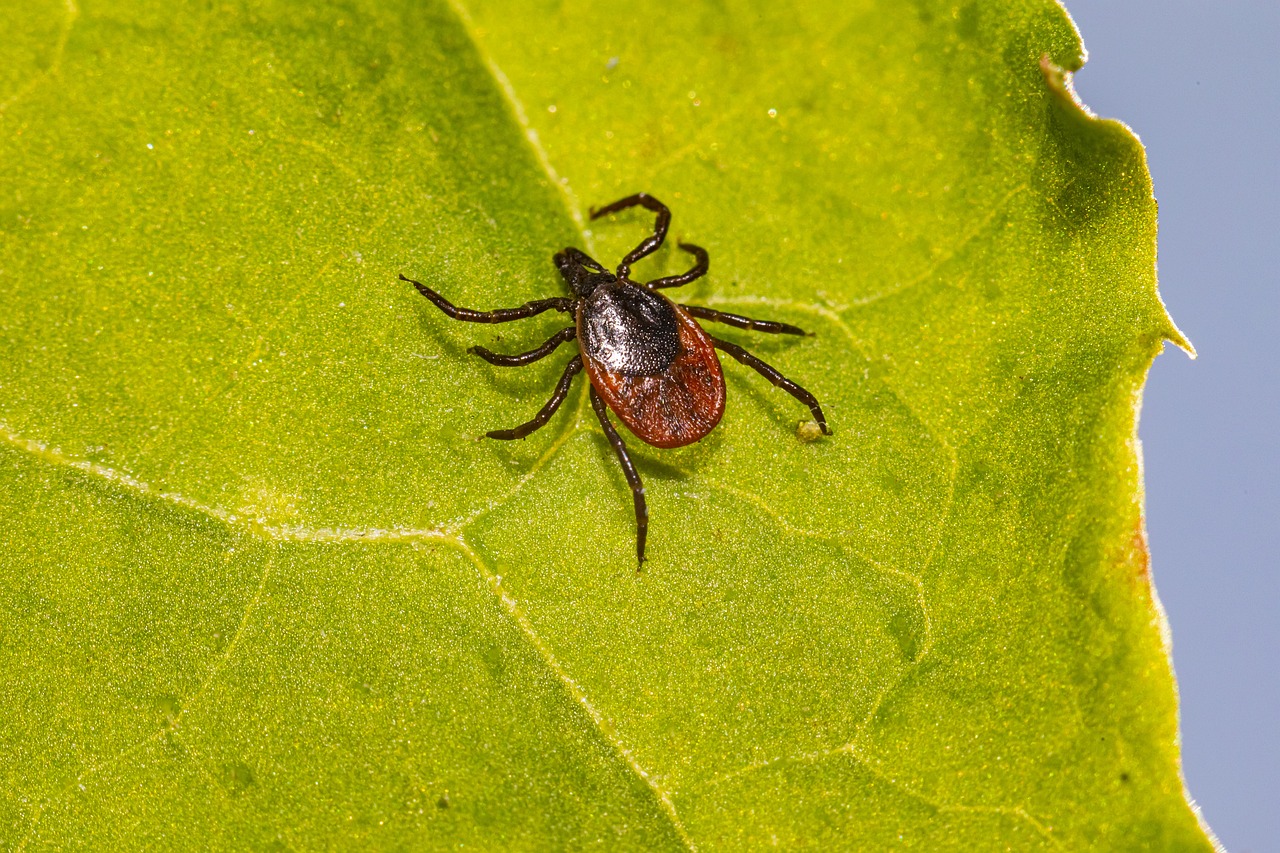
Feline Lyme disease has been a growing concern among pet owners and veterinarians. This tick-borne illness primarily stems from the bite of infected ticks, which can transmit the bacteria Borrelia burgdorferi to your cat. Signs of Lyme disease in cats can include fatigue, joint swelling, and fever. If you suspect your cat has been exposed to ticks or shows any symptoms, consulting a veterinarian is imperative. In addition to conventional treatments, many cat owners wish to explore natural remedies that may help manage symptoms and support their cat’s health during recovery. Briefly touching on these options can provide a balanced approach in conjunction with veterinary care. Keep in mind that no single remedy may cure this condition, but holistic interventions often enhance overall well-being and quality of life. As we delve deeper into this issue, we’ll explore various remedies, nutritional support, and herbal options, all aimed at fostering a safer environment and a healthier lifestyle for your cat during this challenging period.
Natural remedies can serve as supportive treatments when dealing with feline Lyme disease. One effective category includes herbal remedies, such as cat’s claw, which is believed to assist in boosting the immune system. This herb has long been used to aid overall health and may offer anti-inflammatory benefits for cats suffering from joint pain due to Lyme disease. Additionally, supplements like omega-3 fatty acids from fish oil can support your cat’s joints and promote a shinier coat. Including these supplements in their diet should only occur after consulting your veterinarian. Furthermore, natural anti-inflammatories like turmeric may offer relief from pain and swelling. It’s essential to ensure safe dosages and usage, given that not all supplements are safe for feline ingestion. Moreover, another useful approach is providing a calming environment using pheromone diffusers, which can help alleviate anxiety caused by illness. While these natural remedies can provide support, they should complement, not replace, standard veterinary treatments. Monitoring your cat’s condition closely while integrating these options can lead to improved health outcomes.
Dietary Support for Cats with Lyme Disease
Diet plays a crucial role in recovery for cats diagnosed with Lyme disease. A balanced and nutritious diet strengthens the immune system and aids in overall healing. Many experts recommend high-quality protein sources found in commercial cat food. Proteins such as chicken and salmon are excellent choices, providing essential nutrients and amino acids necessary for recovery. Additionally, incorporating wet food can support hydration, especially in cats who may have reduced appetite due to illness. Notably, whole foods high in antioxidants, like blueberries and spinach, can further boost immune function. Supplements like probiotics are also beneficial, as they help maintain gut health during the treatment process. Moreover, working with your veterinarian to develop a tailored meal plan can ensure that your cat’s specific needs are met. Observing your cat’s response to dietary changes is critical, as some may show sensitivity to certain ingredients. Overall, consistency in a balanced diet not only aids recovery from Lyme disease but also promotes long-term health and well-being.
Hydration is an essential factor when caring for a cat with Lyme disease. Ensuring your cat remains well-hydrated will help support their immune system, particularly during times of illness. Providing fresh, clean water at all times is paramount. Many cats prefer running water, so using a cat water fountain can encourage them to drink more frequently. In addition to standard water, offering low-sodium chicken or beef broth can also entice cats to stay hydrated. Adding moisture-rich foods to their diet can also contribute to hydration. If your cat is less interested in drinking, consider consulting your veterinarian to assess potential underlying issues contributing to dehydration. Monitoring how much your cat drinks daily is vital, as decreased fluid intake may lead to further health complications. Additionally, ensuring a stress-free environment is important in encouraging regular drinking. If you notice signs of lethargy, dry mouth, or reduced urination, immediate veterinary attention is necessary. By emphasizing proper hydration, you can significantly influence your cat’s overall health and recovery path from Lyme disease.
Environmental Control Measures
Preventing tick exposure is essential for cats with Lyme disease or at risk of contracting it. Environmental control measures prove effective in limiting tick encounters. Regularly checking your yard for tall grass, thick bushes, and other potential tick habitats is vital. Keeping your lawn mowed and trimming shrubbery can significantly reduce tick populations. Additionally, consider using natural repellents around your home to deter ticks. Essential oils such as lavender and peppermint can be effective but ensure they are safe for feline use before application. Furthermore, keeping your cat away from wooded areas and tall grasses during walks can minimize the likelihood of tick bites. Implementing a strict tick-check routine after outdoor activities is crucial in catching any ticks early. If you find a tick, ensure proper removal techniques are employed to prevent infections. Regular vet checkups can help monitor your pet’s health and suggest preventative measures tailored to your environment. Being proactive about tick prevention will greatly aid your cat’s recovery and help avoid further complications.
Besides natural remedies and dietary adjustments, holistic therapies can provide additional support for cats dealing with Lyme disease. Many pet owners have found success in incorporating practices such as acupuncture and massage into their cat’s treatment plan. These therapies can help alleviate pain associated with joint discomfort and improve overall mobility. Acupuncture, performed by a certified professional, involves inserting thin needles at specific points to relieve pain and promote wellness. Meanwhile, massage can enhance circulation, reduce tension, and strengthen the bond between you and your cat. Always ensure any therapy undertaken is carried out by qualified practitioners experienced with cats. Moreover, hydrotherapy is another great supplementary option, allowing cats to engage in light exercise while reducing the strain on their joints. Using underwater treadmills or swimming can facilitate movement without harmful impact. Regularly engaging in these therapies will not only help manage symptoms but also significantly enhance your cat’s quality of life. Implementing holistic therapies alongside veterinary care can provide a comprehensive approach to supporting your cat’s recovery.
Emotional Support for Cats with Lyme Disease
Providing emotional support for your cat during illness is equally important as physical care. Many cats may experience anxiety or stress stemming from their condition, affecting their behavior and overall well-being. Creating a calm and comfortable environment is essential for their recovery. Offer your cat cozy spots with soft bedding and plenty of hiding spaces where they can feel secure. Providing interactive toys and gentle play can also help distract them from discomfort. Additionally, maintaining a regular routine can alleviate stress, allowing your cat to anticipate daily activities. Spend quality time cuddling or simply sitting quietly beside them, as your presence offers comfort. If possible, consider using anxiety-relief products such as calming collars or natural supplements, which can have soothing effects. Moreover, pheromone diffusers can create a relaxing atmosphere, promoting calmness in your home. Most importantly, monitoring their behavior for any signs of distress is vital. If your cat displays ongoing signs of anxiety, consult your veterinarian for recommendations tailored to emotional health support. With a structured approach to emotional care, you can create an environment that fosters healing and peace.
Understanding the overall approach to managing feline Lyme disease, including natural remedies and supportive measures, is vital for responsible pet care. While it’s important to consult with a veterinarian for any medical treatments, integrating holistic and natural strategies into your cat’s care can provide supplementary benefits. A balanced diet, effective hydration strategies, and environmental control form the foundation of good health practices. Additionally, exploring holistic therapies like acupuncture and engaging in playful interactions help cater to both physical and emotional needs for recovering cats. With the right blend of conventional and alternative methods, maintaining your cat’s emotional well-being remains key. Constant monitoring is necessary to ensure effective management of symptoms throughout recovery. As owners, being proactive and responsive to any changes in behavior is crucial to a successful recovery. By fostering a supportive environment, you empower your cat to navigate through illness with greater resilience, ensuring a better quality of life post-recovery. Strengthening the bond between you and your feline companion through attentive care ensures they feel loved during these challenging times, leading to a happier and healthier future.