
Top Techniques to Socialize Your Dog for Agility Competitions
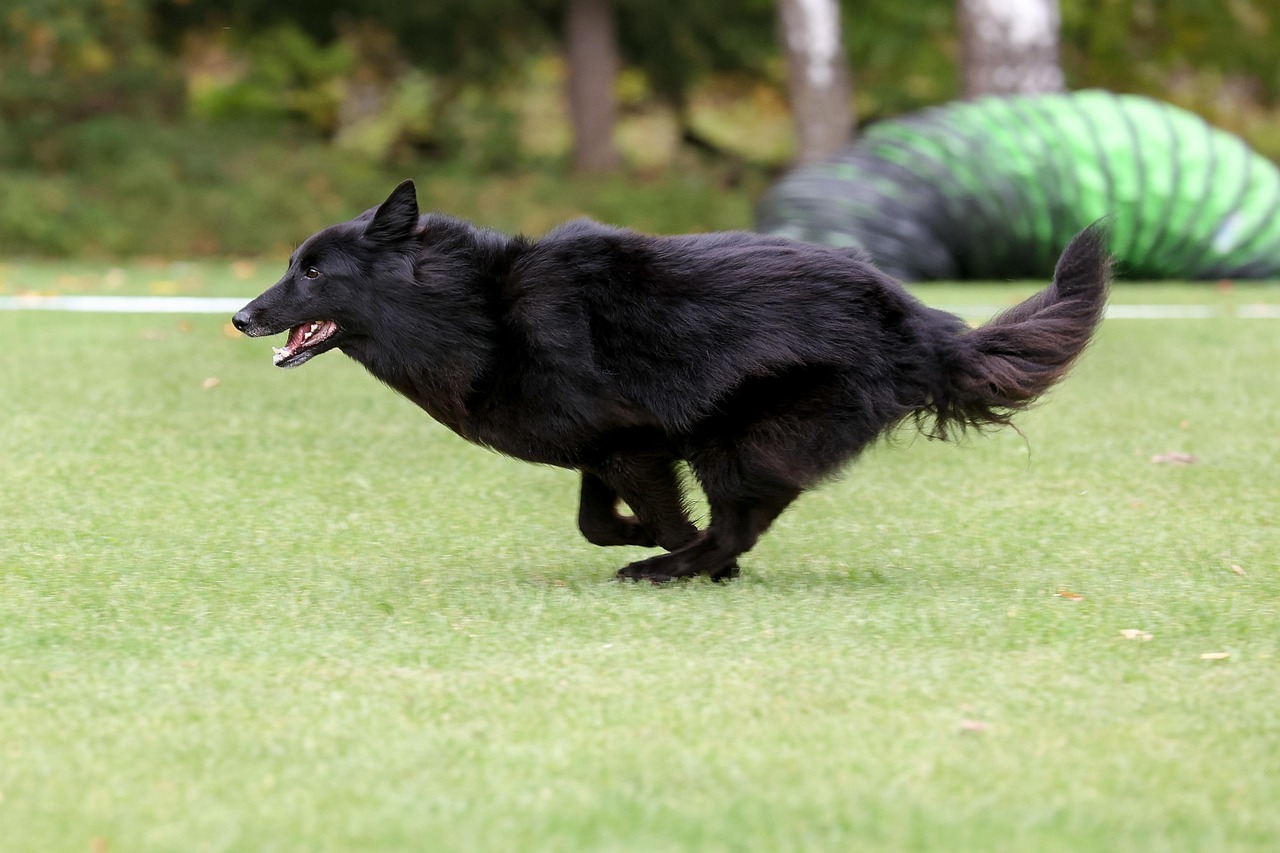
Socializing your dog for agility training is a crucial step towards ensuring they thrive in a competitive setting. Start by introducing your dog to a variety of environments; this helps them adapt to different scents, sounds, and sights. Aim to expose them gradually to different settings, such as parks, street fairs, or busy neighborhoods, to build their confidence. Begin in less chaotic environments and progressively increase the difficulty level as they grow more comfortable. Organized socialization events can be immensely beneficial; attending dog training classes, agility workshops, or group play sessions allows your dog to interact with different dogs and people in a controlled atmosphere. Additionally, employ treats to motivate your dog; rewarding them during socialization sessions will create positive associations. Another vital aspect is to be patient and calm; dogs can sense their owner’s emotions. If your dog seems anxious, provide reassurance and avoid forcing interactions. Remember, each dog has its unique pace; respecting their limits while encouraging progress will lead to better outcomes. By focusing on gradual exposure and positive reinforcement, you will help your dog become a confident performer in agility competitions.
Once your dog is acclimated to new environments, focus on group interactions to sharpen their social skills. Participating in group training sessions can significantly enhance your dog’s confidence and comfort levels. During these sessions, observe how your dog interacts with others and guide them to engage appropriately. Use a combination of verbal commands and body language to encourage positive interactions. Ensure that they meet other dogs on neutral ground to avoid territorial behaviors. Consider organizing playdates with friendly and well-socialized dogs to encourage social play; this can help them learn proper play etiquette and boundaries. Observe how your dog behaves during play; if they show signs of anxiety or aggression, intervening promptly helps redirect their behavior. It’s also essential to manage their introductions carefully; use positive reinforcement techniques when they behave well around other dogs. Consistency is key; regular socialization practice strengthens their abilities. Over time, your dog will understand how to navigate different social situations with ease. Incorporating these strategies will ultimately lead to a better-behaved dog that excels in agility training and is less stressed in competitive environments.
Positive Reinforcement Techniques
Utilizing positive reinforcement is one of the most effective techniques in socializing dogs for agility training. Rewarding your dog with treats, praise, or play for good behavior reinforces their positive actions. This method encourages them to repeat favorable behaviors while building trust between you and your pet. Initially, focus on the simplest commands and behaviors, such as sitting near other dogs or staying calm in busy environments. Gradually increase the complexity of tasks as your dog becomes more comfortable, rewarding them for each success. Incorporate agility equipment during training to create a fun and stimulating environment, enhancing their enthusiasm for learning. Socialization should always be a positive experience; avoid overwhelming your dog with too many interactions at once. Monitor their body language and take breaks as necessary to prevent stress. If they display signs of fear or aggression, redirect their focus to a more positive activity. Consistent training sessions that incorporate both agility skills and social interactions are vital for success; by combining physical challenges with socialization, you create a well-rounded training experience that prepares your dog for competitions.
An essential part of socializing your dog for agility involves familiarizing them with the agility equipment they will encounter in competitions. Start with basic obstacles like jumps and tunnels in a non-competitive environment. Allow your dog to explore this equipment at their own pace, ensuring they feel secure and confident. It’s important to use playful approaches during this exploration; encourage them to interact by using toys or treats. Introducing equipment too quickly or forcing them could lead to anxiety, so patience is paramount. Once they are comfortable with the equipment, gradually add distractions, such as other dogs or people during training sessions. This step not only reinforces their agility skills but also helps them learn to maintain focus amidst distractions. While progressing, maintain a low-stress atmosphere; fostering a calm environment is crucial to helping your dog feel confident. Regular practice will ensure your dog learns how to efficiently navigate through obstacles during competitions. The goal is to make agility training synonymous with fun, allowing your dog to shine when it comes time to show off their skills in a competitive setting.
Exposure to Different Scenarios
Exposure to various scenarios will prepare your dog for the unpredictability of agility competitions. Incorporating diverse environments helps them adjust to different stimuli and remain adaptable. Start by taking your dog to different locations, such as public parks, dog-friendly events, and busy streets. During these outings, encourage your dog to engage with other dogs and people while practicing obedience commands. Focus on maintaining a positive attitude and remain observant of their reactions. It’s also beneficial to vary the time of day and weather conditions during socialization outings; this will simulate the changing conditions they might experience during an agility trial. Another effective technique is to invite friends and their dogs over to create a social gathering; this helps your dog learn how to interact with new individuals and dogs in a familiar setting. Ask others to show off their dogs’ agility skills to demonstrate appropriate behavior, creating a learning opportunity for yours. Integrating these varied experiences allows your dog to develop confidence and resilience, positioning them to tackle agility challenges with excitement rather than fear.
Consistency in training and socialization practices is essential for fostering agility success. Establish a structured training schedule that incorporates regular socialization periods alongside agility practice sessions. Aim for frequent, shorter training sessions rather than infrequent, lengthy ones, as dogs often learn better through repetition. During these sessions, continually implement the positive reinforcement techniques discussed earlier to motivate your dog. A strong bond based on trust and feedback encourages a willingness to explore and learn. Frequent outings can evoke excitement and curiosity; make these experiences enjoyable and vary your training methods to keep your dog engaged. Consider integrating socialization into your daily routine; simple activities like walking in parks or visiting dog-friendly stores also create learning opportunities. By infusing socialization into everyday life, you will enhance your dog’s adaptability in various situations. Over time, your dog will learn to associate new experiences with positivity, leading to greater confidence in diverse environments. The combination of structured training and ongoing socialization will culminate in a well-adjusted and agile companion ready to shine in competitions.
Conclusion: Building a Confident Agility Dog
In conclusion, socializing your dog for agility competitions is essential for developing a confident and capable partner. Through consistent training, gradual exposure to various environments, and using positive reinforcement techniques, you can cultivate a well-rounded agility dog. Focus on nurturing their skills to navigate real-world challenges by familiarizing them with agility equipment and different social scenarios. An effective socialization plan includes blending agility practice with social interactions, creating an enjoyable training experience. Remember to remain patient, allowing your dog to progress at their own pace while respecting their boundaries. Regularly participating in group sessions or forums can provide additional support, enabling you to share experiences with fellow dog trainers. As your dog becomes more social, you’ll notice improved performance in agility exercises as well as reduced anxiety in competitive settings. The knowledge and skills you build together will not only lead to agility success but also enrich your relationship. By prioritizing socialization and agility training, you ensure a rewarding journey for you and your canine companion toward agility excellence.
Socializing your dog for agility training is a crucial step towards ensuring they thrive in a competitive setting. Start by introducing your dog to a variety of environments; this helps them adapt to different scents, sounds, and sights. Aim to expose them gradually to different settings, such as parks, street fairs, or busy neighborhoods, to build their confidence. Begin in less chaotic environments and progressively increase the difficulty level as they grow more comfortable. Organized socialization events can be immensely beneficial; attending dog training classes, agility workshops, or group play sessions allows your dog to interact with different dogs and people in a controlled atmosphere. Additionally, employ treats to motivate your dog; rewarding them during socialization sessions will create positive associations. Another vital aspect is to be patient and calm; dogs can sense their owner’s emotions. If your dog seems anxious, provide reassurance and avoid forcing interactions. Remember, each dog has its unique pace; respecting their limits while encouraging progress will lead to better outcomes. By focusing on gradual exposure and positive reinforcement, you will help your dog become a confident performer in agility competitions.