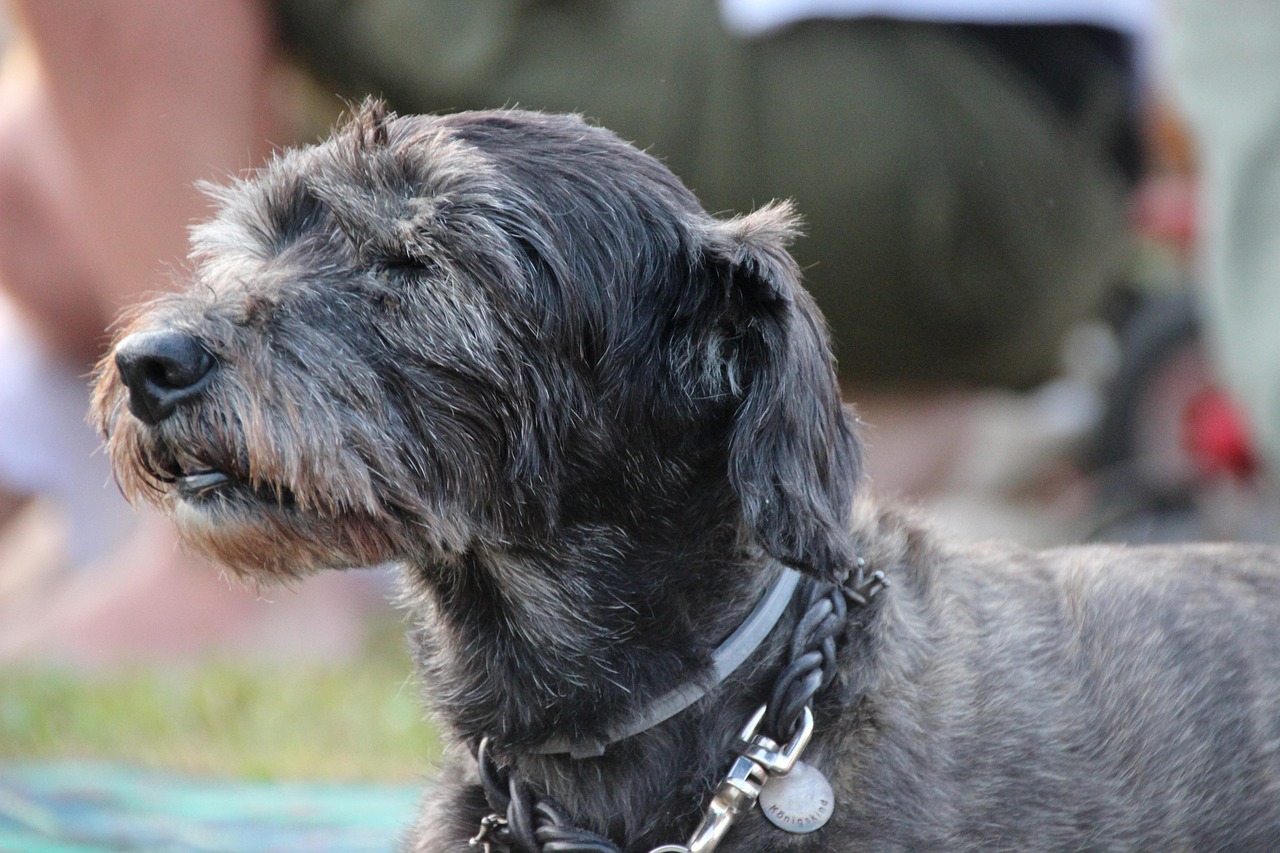

Understanding Senior Dog Caloric Needs
As dogs age, their bodies undergo various changes that affect their nutritional requirements. A senior dog typically requires fewer calories than a younger dog due to decreased physical activity and metabolism. It’s important to understand that caloric needs can differ based on factors such as size, weight, and health conditions. Evaluating your senior dog’s activity level and overall health can help determine the appropriate calorie intake. Ensuring that your senior dog maintains a healthy weight is vital, as obesity can lead to various health issues like arthritis or diabetes. It’s ideal to consult with a veterinarian who can offer tailored nutritional advice and recommendations based on your dog’s specific needs. Adjusting portion sizes, choosing high-quality dog food, and providing appropriate supplements can significantly enhance your dog’s quality of life as they age. Additionally, regular monitoring of their weight and body condition will help you make necessary dietary changes. Tracking their caloric intake consistently can lead to a longer, healthier life for your furry friend. Always remember, a balanced diet is key to robust senior dog health.
The Importance of Balanced Nutrition
A well-balanced diet is crucial for your senior dog’s health and longevity. Senior dogs need a mix of proteins, fats, carbohydrates, vitamins, and minerals to support their aging bodies. Proteins are essential as they provide necessary amino acids for muscle maintenance. Look for dog foods with high-quality protein sources like chicken, lamb, or fish. Healthy fats are also important; they provide energy and help keep your dog’s skin and coat healthy. Omega-3 and omega-6 fatty acids are particularly beneficial as they can reduce inflammation, which is often a concern for older dogs. Carbohydrates should not be overlooked; they offer dietary fiber, which aids in digestion. Ensure that you include plenty of veggies and some grains in their diet. Additionally, vitamins and minerals can support immune health and overall vitality. Opting for specially formulated senior dog food often provides these balanced nutrients, specifically designed for their age group. Your veterinarian can recommend brands or specific diets that suit your dog’s needs best. In summary, keeping a balanced diet will improve your senior dog’s general well-being.
Portion control is key when feeding a senior dog to prevent weight gain. Due to decreased physical activity, senior dogs are prone to obesity, which can complicate existing health conditions. Your veterinarian might suggest calculating the dog’s daily caloric needs based on their body weight and activity level. For example, a moderately active dog generally requires approximately 30 calories per pound of body weight per day. To help maintain their ideal weight, it’s vital to measure their food servings accurately. Avoid free feeding, where food is available all day; this can lead to overeating. Consider breaking their meals into smaller, more frequent portions to help manage hunger and maintain energy levels throughout the day. Treats are often an overlooked calorie source, so be mindful of their caloric content and adjust meals accordingly. Treats should only comprise a small percentage of their daily caloric intake, ideally no more than 10%. To avoid the risk of obesity, use healthy snacks like carrots or green beans in moderation. Remember, consistency in portion control will help your senior dog remain healthy and active.
Monitoring Weight and Adjusting Diet
Regular monitoring of your senior dog’s weight is essential to ensure they are not gaining excess weight, which can negatively impact their health. Weigh your dog weekly or bi-weekly to notice any significant changes. If you notice their weight increasing, it may be necessary to decrease caloric intake or increase activity levels. Conversely, if they are losing weight, a vet visit is warranted to rule out any underlying health problems. Aging dogs also tend to lose muscle mass, and you might need to adjust their diet accordingly to include more proteins to help maintain muscle. There are various weight management diets specifically designed for older dogs that could assist in meeting their caloric and dietary needs. Remember that commercial dog food typically outlines recommended servings on the package, but these may not always be tailored to your dog. Consultation with a veterinarian will ensure that you establish the best dietary plan. Additionally, keep a journal of your pet’s weight and diet changes. This log will help you track their weight efficiently and support discussions with your veterinarian.
This is why hydration should not be overlooked in senior dog care. Proper hydration is crucial to maintain overall well-being, especially in older dogs who may face kidney issues. Make sure your dog has access to fresh, clean water at all times. Dehydration can be difficult to spot in dogs, so observe any changes in their behavior or bathroom habits closely. If your senior dog is not drinking enough water, try providing wet dog food or adding water to dry kibble to increase their fluid intake. Some dogs respond well to ice cubes or broths as an alternative to plain water. You can also consider using pet fountains, which may encourage them to drink more due to the running water feature. Ensure that your dog is drinking adequate fluids daily because dehydration can worsen existing health issues and lead to complications. Always consult with your veterinarian if you notice changes in your dog’s drinking habits. Making hydration a priority as part of your senior dog’s nutrition plan will promote their overall health.
Understanding Special Dietary Needs
Some senior dogs may develop specific health conditions as they age, requiring dietary adjustments or specialized foods. Dogs suffering from arthritis may benefit from diets rich in anti-inflammatory ingredients, such as omega-3 fatty acids and glucosamine. This population of dogs may also require additional proteins to support joint health and overall muscle mass. Additionally, diabetic dogs require special attention to carbohydrate intake, meaning that their diets should focus on high-quality, low-glycemic ingredients. Senior dogs experiencing kidney issues might need a diet lower in phosphorus and protein while still keeping the protein quality high to maintain muscle mass. If your senior dog has allergies or food intolerances, selecting hypoallergenic dog food is essential to avoid further complications. This can include the avoidance of grains, certain proteins, or even artificial additives. Work closely with your vet to analyze your dog’s health history, activity level, and dietary sensitivities when creating a suitable meal plan. Always check to see that special diets are properly balanced for their unique requirements.
Lastly, always consult your veterinarian before making any significant changes to your senior dog’s diet. Your vet can help you determine the best food options and portion sizes according to your dog’s specific needs, age, and medical background. Never abruptly switch your dog’s diet, as this can lead to digestive upset. Instead, transition gradually by mixing new food with the old over a week or more. Monitoring your dog for any adverse reactions during this period is crucial. Dietary changes may need to be assessed every few months, as your dog’s needs will change with age and health. Providing your senior dog with the right balance of nutrition can significantly impact their quality of life. Encourage regular vet check-ups for ongoing evaluations. Taking proactive measures in senior dog care will foster a nurturing environment for your aging companion, ultimately prolonging their happiness and vitality. A thriving dog is one that receives not only the right nutrition but also plenty of love and regular exercise suitable for their capabilities.