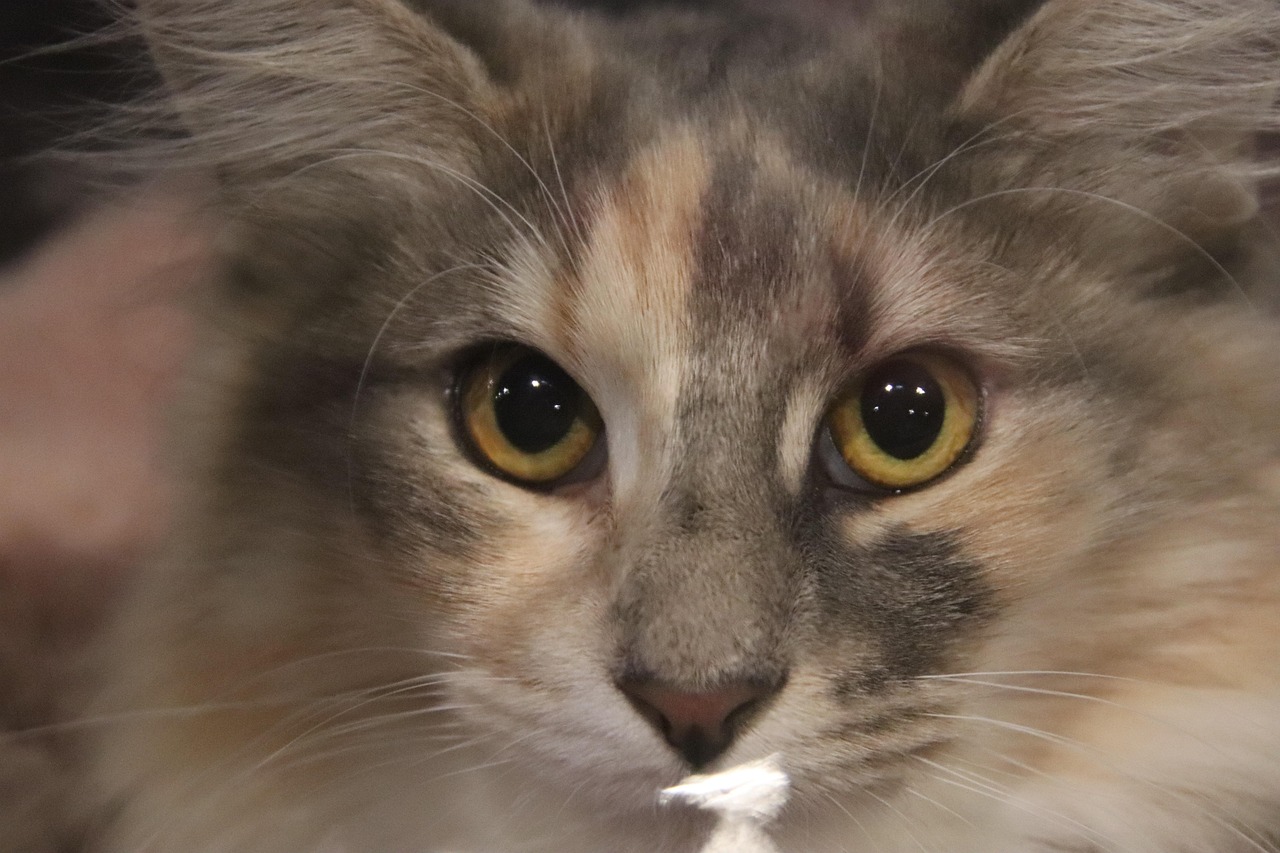

The Impact of Venue Changes on Cats in Shows
Cat shows can be exciting and a platform for showcasing feline beauty and personality. However, they also present common challenges that can affect the behavior and comfort of cats. One major challenge is the change of venues. Different venues can produce varying environments that may not be entirely suitable for every cat. Cats, as creatures of habit, tend to feel more secure in familiar surroundings. This discomfort can be exacerbated by unfamiliar scents, sounds, and audiences present at a new venue. Each of these factors can contribute to a cat’s stress levels. Stress in cats can manifest through vocalization, aggression, or withdrawal, making it essential for handlers to prepare thoroughly when relocating venues. Moreover, the need for acclimatization to new spaces should not be overlooked. Adequate preparation, including exposing the cats to similar environments beforehand, can help minimize anxiety. Ensuring that a cat feels safe and controlled during these events is vital for optimal performance. Careful planning and understanding of a cat’s emotional needs can lead to a more satisfied feline competitor. Ultimately, by addressing these concerns and providing a supportive environment, handlers can enhance their cats’ show experiences.
Another challenge associated with venue changes in cat shows pertains to logistical issues encountered by exhibitors and organizers alike. Moving to a different location can introduce various complications, such as acquiring necessary permits, dealing with new vendors, or managing changes in setup and layout. These logistical hurdles can affect the smooth operation of the event. Changes in the overall environment can also influence the behavior of both cats and judges during competitions. Factors such as space limitations, lighting, and proximity to distractions can alter how cats perform. Judges may have differing styles influenced by their experiences and familiarity with specific types of venues. When handlers are unaware of these changes, it can undermine the exhibition standard. Furthermore, the level of comfort and familiarity with a venue can differ among exhibitors. Some may embrace the excitement of a new location, while others may find it daunting. Organizers should thus consider the needs of both the exhibitors and the cats when planning shows. Ensuring that both humans and felines adapt smoothly is crucial for a positive competitive environment, promoting overall satisfaction for everyone involved.
Environmental Factors Affecting Cats
The influence of environmental factors in changing venues cannot be underestimated, especially in cat shows where these elements can significantly impact stress levels. For instance, noise level is one critical aspect; some venues may have high levels of background noise from announcements or crowds. Such unexpected sounds can induce anxiety in many cats. Additionally, the layout of new locations might not accommodate a cat’s need for personal space. Cats naturally prefer secluded areas where they can retreat if feeling overwhelmed. Hence, venue changes may strip them of comfort zones, resulting in performance issues. The temperature and ventilation in unfamiliar spaces can also play a huge role in a cat’s comfort level. A cooler or overheated environment may lead to lethargy or hyperactivity, affecting their demeanor during judging. Lighting conditions are equally important as inappropriate lighting can make cats feel insecure. Handlers must evaluate these facets diligently. By understanding the influence of environmental changes, handlers can implement strategies to ease anxiety and foster a conducive atmosphere for their feline companions, leading to more positive show experiences.
One often overlooked aspect of venue changes in cat shows is the impact on the audience and judges. For many exhibitors, the familiarity with judges plays a crucial role in their competitive strategies. Changes in venues may lead to changes in judge availability or preferences, which can cause uncertainty for exhibitors. Different judges may emphasize various traits or characteristics when assessing cats, adding another layer of complexity for participants. Furthermore, the crowd dynamics can also shift depending on the new venue. A larger audience might create an overwhelming situation for some cats, while a smaller crowd may provide a calmer experience. The energy of the audience can directly affect how cats behave during the show. If the crowd is overly enthusiastic, this can unsettle more sensitive feline competitors, leading to unpredictable behaviors. Handlers must be aware not only of their cats’ reactions but also of how venue changes can alter audience dynamics and impact judges’ opinions. Understanding these factors is essential for making informed decisions during shows, ensuring that every participant has the best chance of success despite venue fluctuations.
Strategies for Adapting to Venue Changes
To overcome the challenges presented by venue changes in cat shows, exhibitors need effective strategies aimed at ensuring their cats remain calm and comfortable. Firstly, acclimatizing cats to different environments before show days can be very beneficial. This can involve short trips to similar venues or setting up mock shows at home. Secondly, familiar items such as blankets or toys from home can provide a sense of security for the cats. Additionally, utilizing calming aids, such as pheromone sprays or anxiety-relief medications prescribed by veterinarians, can help manage stress. Regular socialization is also crucial; introducing cats to diverse situations prepares them for the unpredictable nature of different venues. Understanding a cat’s unique personality can inform personalized approaches to handling stress during shows. Training exercises can facilitate positive reinforcement and build a sense of confidence. Lastly, maintaining a consistent routine during travel — including feeding and playtimes — can help create predictability amid the changes. By leveraging these strategies, exhibitors can enhance the show experience for their feline friends, ensuring they remain happy and competitive despite changing venues.
Furthermore, after the venue change, evaluating the overall experience is vital for future improvements. Observations from each show can offer tremendous insight into how cats responded, which aspects worked well, and what adjustments are necessary for future events. Gathering feedback from both judges and attendees can highlight the strengths and weaknesses of a new venue. This will assist organizers in making informed decisions in planning upcoming shows. Additionally, discussions between handlers about their experiences can create a collaborative environment, where shared insights foster better preparedness for future venue changes. Documenting behavioral responses of cats can also contribute valuable knowledge to the community. Not only does this benefit individual exhibitors, but it enriches the collective understanding of the effects of venue changes. Building these strategies into a broader plan ensures that the impact of venue changes is minimized. Strengthening communication among participants can create a supportive network, fostering resilience when facing the challenges ahead. Learning from each cat show experience is essential for continuous improvement in the world of feline competitions.
Conclusion
The impact of venue changes on cats in shows encompasses various challenges that can affect their performance and overall well-being. Understanding these factors is essential for exhibitors aiming to provide a comfortable experience for their feline companions. By recognizing the significance of environmental influences and employing strategies to mitigate stress, handlers can create a supportive atmosphere conducive to competitive success. Venue changes, while often necessary for logistical reasons, can pose difficulties that affect both cats and their presentations to judges. Planning, preparation, and adaptation are crucial components of navigating these challenges effectively. Exhibitors who prioritize their cats’ emotional needs while addressing logistical issues are better equipped to maintain a favorable showing environment. Moreover, the continual evaluation of performances and feedback should guide improvements for future events. As the cat show community evolves, fostering cooperation among handlers and organizers to combat the challenges that arise from venue changes will ultimately create better outcomes for both exhibitors and their beloved cats. Emphasizing these points can contribute to an enriching and rewarding cat show experience, allowing all participants to thrive despite changes in venue.
When approaching the topic of cat shows, it’s important to highlight the competitions’ beauty while also understanding the realities involved.