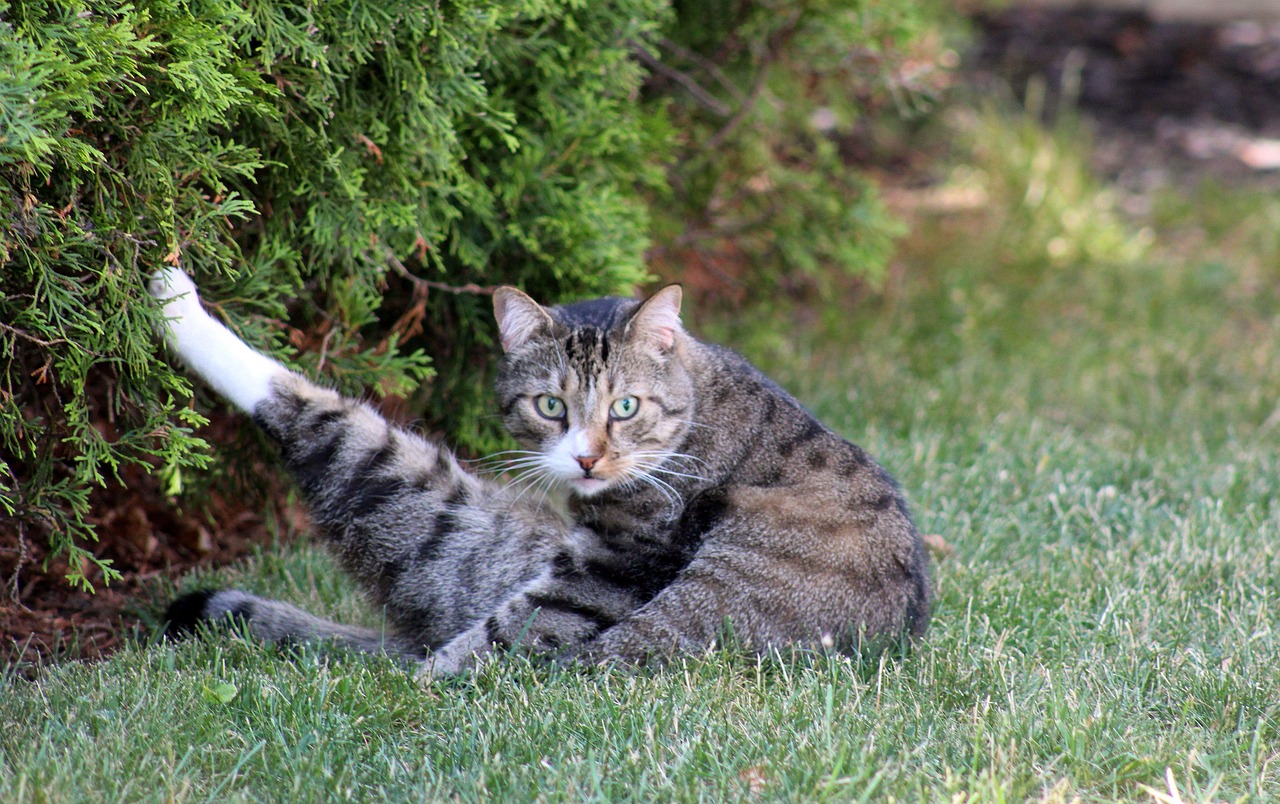

Training Your Cat to Come Inside When Called
Training your cat to come inside when called can be challenging yet rewarding. Establishing a routine can significantly help. Begin with calling your cat using a consistent phrase like “Come inside” or simply their name. It’s essential to use the same phrase every time. This consistency helps your cat understand what you expect from them. Make sure to call them at regular intervals as well, particularly at meal times, as cats are naturally inclined to respond to food. To encourage them to come, make it an inviting experience. Using a positive tone of voice, offer treats or their favorite toy as an incentive. Timing is crucial; call them when they are outside but within hearing range. Do not get frustrated if they do not respond immediately; patience is vital. Always reward them when they come inside, reinforcing this behavior with praise or a small treat. In no time, your feline friend will associate the call with positive rewards, making them more likely to run to you when called. Consistency and patience are paramount in this rewarding training journey.
Consider using clicker training to enhance your cat’s responsiveness. A clicker is a small handheld device that produces a clicking sound, signaling when a desired behavior has occurred. Start by associating the click with a treat. Each time your cat comes when called, click at that moment and immediately reward them. You should conduct these training sessions in a quiet place to minimize distractions, as this will help your cat focus. It’s recommended to keep training sessions short, ideally around five minutes, to maintain their attention and avoid overwhelming them. Allow them to explore the area during breaks but always redirect their attention back to you with a call. Incorporate this practice into your daily routine; gradually they will understand that coming when called leads to a reward. Eventually, you can increase the distance from which you call them. This gradual challenge fosters confidence as well. Remember to celebrate small victories along the way! Every successful response builds a strong bond between you and your cat. With persistence, your cat will learn to come inside promptly when they hear you calling.
Creating a Positive Environment
Creating a positive environment for training begins with removing distractions. Cats are curious creatures, and outside distractions can deter them from focusing on your call. Choose a calm time and setting where they feel safe and secure. Ensure that the place is free from noises or disturbances, such as loud traffic or barking dogs. You can also consider using their favorite toys, as familiarity can encourage the desired behavior. Always observe your cat’s body language; it can provide essential clues on their comfort level. If they seem anxious or distracted, take a step back and try training another time. Additionally, using treats that they love can enhance their motivation. Experiment with various treats that they naturally enjoy to find what works best. Their favorite treats can be an excellent way to create a positive training experience. Keep in mind that not every cat reacts the same way to training, so adjusting your tactics may be necessary. Flexibility will lead to greater success in strengthening your training program. Ultimately, happy and relaxed cats are more likely to respond positively to being called.
Incorporate playtime into your training to deepen your bond and keep sessions fun. Engaging your cat in interactive play will make your presence more appealing. Use toys like feather wands or laser pointers to capture their interest. When they are excited, call them to the play area, rewarding them with playtime as they come to you. The combination of play and food rewards solidifies the connection between the command and happiness. Ensure that you vary play sessions; this maintains their interest and concentration. Furthermore, maintain a consistent schedule for calls; try calling them at specific times daily, gradually reinforcing the habit. As always, be patient. Cats can have different learning curves. Some may pick it up quickly, while others need time to adjust. If your cat occasionally ignores your call, remain calm and avoid frustration, as this can create negative experiences for them. Reinforce the behavior positively when they respond correctly! Remember, your goal is to build a trusting and rewarding relationship, ensuring they feel comfortable responding to your command each time you call.
Using Environmental Cues
Using environmental cues can aid cat training by associating activities with your call. Consider developing a signal routine leading up to your call, such as shaking a treat bag. This pre-call notification helps establish expectations in your cat’s mind. Additionally, create a visual marker they can associate with coming inside, such as setting their favorite mat at the door. When you call them, point to the mat or the door, creating a clear visual sign alongside your voice. The more they relate the cues to rewards, the more they will respond positively. Gradually, they will associate those specific cues and your voice together, prompting them to come inside when called. Other markers might include sounds like a jingling bell. Experiment with different sounds to discover what resonates with your cat. Observing their reactions can provide valuable insights into what will work best for them. As your training progresses, maintain consistency in your calling routine. Positive reinforcement when they come to you will ensure that the training remains effective and enjoyable for your feline companion.
Always be aware of timing when calling your cat to come inside. Understanding your cat’s schedule is crucial for successful training. For instance, calling them only when they are hungry or during playtime offers a better chance of success. Routine builds predictability, which cats thrive on. Try to align your calls with times of the day when they are naturally aware of their surroundings, such as early morning or late afternoon. Cats are inherently more active at these times. When they are in their natural state of curiosity or hunger, they are more likely to heed your call. Moreover, patience plays an essential role in ensuring successful training outcomes. If at any moment they don’t immediately respond, avoid scolding or losing your temper. Instead, try again later. The balance of challenging them with rewards is necessary to increase their responsiveness. Frequent calls that lead to immediate rewards stimulate them to come inside when called, growing into a habit they will continue. Over time, with persistence, they will learn to respond quickly to your commands, developing a reliable behavior pattern that encourages timely returns indoors.
Final Thoughts on Training
In conclusion, training your cat to come inside when called is a journey that requires consistency and patience. It involves not only rewarding positive behaviors but also establishing a trusting relationship. Make sure to stay as flexible and observant of your cat’s communication styles. Each cat has its unique personality and learning preferences, so adapt your strategies accordingly. Remain enthusiastic about the process, ensuring that both you and your cat find joy in the training sessions. As they successfully respond, remember to celebrate those wins, however small they may seem. Celebrate their efforts with treats, affection, or playtime to strengthen your bond even further. Creating a time and space for training fosters a positive experience for your cat. The outcome will be a joyful interaction where your cat feels safe and content to come indoors when called. Maintaining a healthy balance of patience, affection, and reward during this process will ensure a rewarding experience for both you and your feline companion. With time and dedication, your cat will learn to come inside when called, enhancing your shared experiences together.