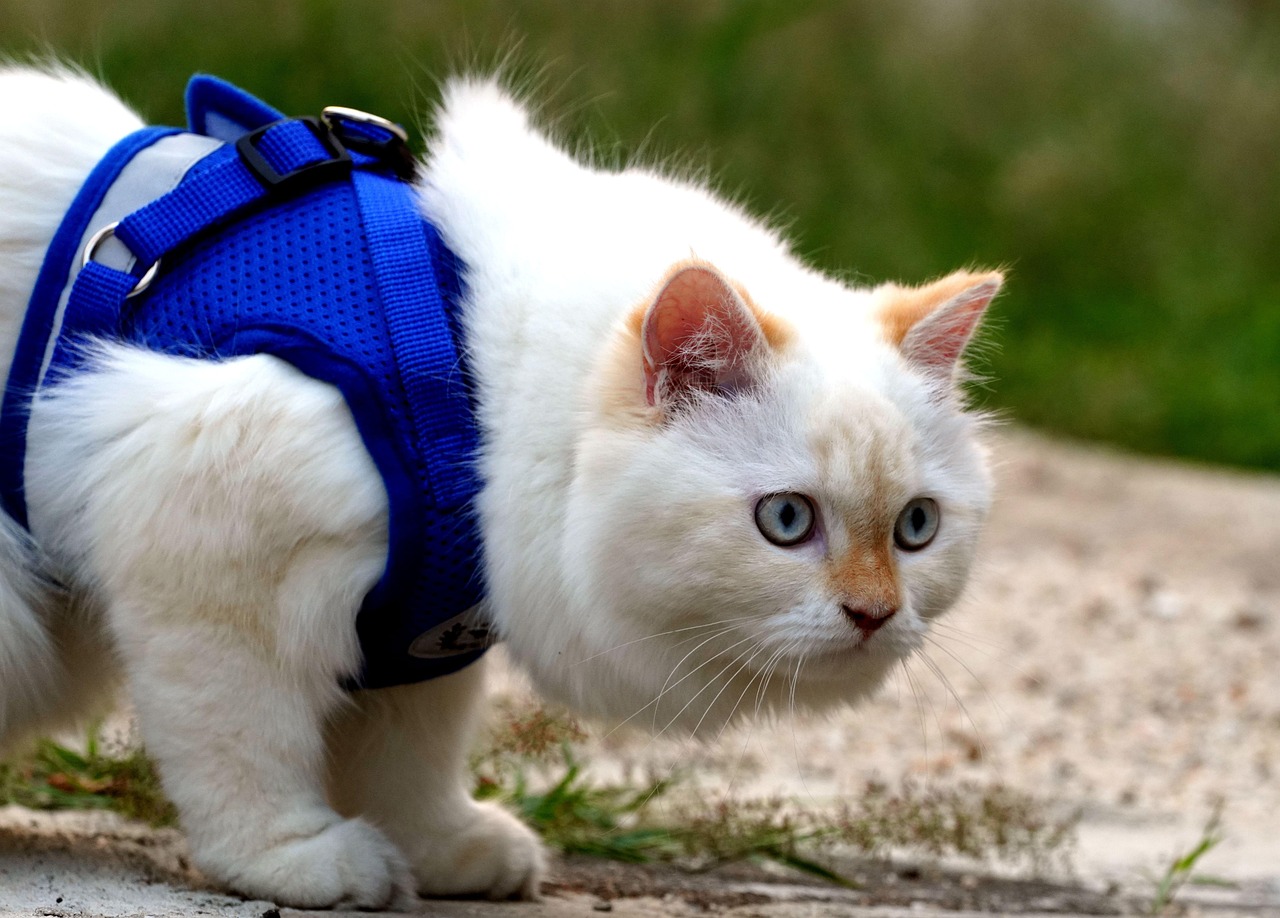

Choosing the Right Leash and Harness for Your Cat
Choosing the right leash and harness for your cat is an essential step in getting them accustomed to walking outside safely. Cats have unique body shapes compared to dogs, and their harnesses should cater specifically to their comfort and safety. Look for harnesses that provide a snug fit without being too tight, as your cat should feel secure yet unhindered in their movements. Ensure that the materials used are soft and breathable. Check for adjustable straps, as this will allow you to tailor the fit to your cat’s specific body shape. Additionally, consider the style of the harness; a vest-style harness typically distributes pressure more evenly across the body. You should also evaluate the leash length; a standard six-foot leash is usually ideal, as it offers a good balance between control and freedom for your cat. Avoid retractable leashes, as they can confuse cats. Always supervise your cat while they are learning to walk on a leash, as this ensures safety and comfort. With these factors in mind, you will be better equipped to choose suitable gear for your feline friend.
Once you have selected a harness, it is crucial to introduce it to your cat positively. Start by letting your cat sniff and explore the harness before attempting to put it on. You can make the harness more inviting by associating it with treats or playtime. Once your cat appears comfortable with the harness, gently put it on them. Pay attention to their body language; if they show signs of stress or discomfort, consider giving them more time to adjust. Once the harness is on, allow your cat to walk around indoors while supervised. This helps them acclimatize to the sensation of wearing the harness. After a few successful indoor sessions, you can gradually introduce them to outdoor walking. Take your time; don’t rush the process. When you first step outside, it’s essential to choose a quiet, familiar area. Place your cat on the leash, allowing them to sniff their surroundings and adjust to the new environment. Their confidence will likely grow as they become familiar with walking outdoors alongside you. Slowly increase the distance you walk together during each session.
Key Features of a Suitable Cat Harness
When selecting a cat harness, several key features are important to consider. Look for a harness made of durable and lightweight fabric, which can withstand outdoor activities. A well-designed harness will have multiple adjustment points to ensure a secure fit while preventing your cat from wriggling free. Also, opt for a harness that is easy to put on and take off; this minimizes stress for both you and your cat. Ensure it has safety features, such as reflective strips for visibility during walks in low-light conditions. Moreover, having a harness with a back attachment point can provide better control and prevent tugging. Look for padded straps that reduce friction on your cat’s skin, ensuring their comfort. Testing the harness out before venturing outdoors can help determine if it’s suitable. Have your cat wear it for short periods, observing their reactions to ensure they feel at ease. Remember, a well-fitted harness not only protects your feline friend but also enhances the overall walking experience for both of you.
Leashes also play a significant role in leash training your cat. Opt for a leash that is lightweight but sturdy enough to withstand your cat’s pulls and movements. A flat or nylon leash is often recommended for cat training. Consider a leash with a soft grip handle, as this becomes especially helpful during longer walks. Ensure the leash length is appropriate; six feet is ideal for allowing some freedom of movement while still being manageable for you. Avoid using heavy leashes, as they can become cumbersome for both you and your cat. Check for any wear and replace the leash if necessary to maintain safety. Using the leash correctly is equally important; always keep a relaxed grip and allow your cat to explore its surroundings naturally. If they pull, be gentle yet firm in redirecting them back to your side without pulling aggressively. Establishing a routine for walks can help your cat get used to the leash quicker. Consistency and patience are necessary, as each cat has its own pace for adapting to walking on a leash.
Tips for Successful Leash Training
Successful leash training involves understanding your cat’s behavior and ensuring the experience is enjoyable. Begin your training in an enclosed space, where your cat can explore and feel safe. Gradually progress to areas with distractions, maintaining a calm demeanor. Using treats to reward good behavior can motivate your cat, reinforcing the positive experience. Keep training sessions short to maintain your cat’s interest; ideally, aim for 10-15 minutes per session. Monitor their body language for signs of fear or stress; if they appear overwhelmed, it may be best to shorten the training or take a break. Utilize a clicker for positive reinforcement if your cat is familiar with it. Make regular walks a routine; cats thrive on consistency, which helps them adapt to leash training. Always carry water, especially on warm days, to keep your cat hydrated. If you encounter distractions like other animals or intense noises, stay calm, and use gentle commands to redirect your cat’s focus. With consistent practice and support, your cat will learn to enjoy and anticipate their leash training outings.
As your cat gains confidence in leash walking, you can explore various environments. Gradually introduce them to new settings, such as parks or quiet streets, ensuring each new experience is comfortable. Monitor how your cat reacts to different sounds, sights, and scents. If they appear anxious, it may be best to retreat to a familiar area for a while. Patience is key when helping them adapt to new experiences. Some cats will take to leash walking naturally, while others may require more time and encouragement. Always provide rewards for exploring or behaving well in new areas; this reinforces their confidence in these unfamiliar settings. Keep an eye on the weather too; extreme temperatures can be uncomfortable for your feline companion. During colder months, consider using a cat jacket or sweater for additional warmth. Remember to allow ample time for breaks during longer walks, as cats may tire quickly compared to dogs. Use these moments to socialize or engage in play, as their experiences while on the leash should be positive. Connecting with your cat via walking supports their overall well-being.
Safety Considerations While Walking Your Cat
Safety is paramount when training your cat to walk on a leash. Before setting out, always double-check that your cat wears their harness correctly and securely. It is also wise to ensure that your cat remains up-to-date on vaccinations and flea treatments, as outdoor environments can expose them to various health risks. Use reflective gear on both your cat and yourself for visibility, especially during early morning or evening walks. Carrying a leash in a secure manner can prevent accidents if your cat tends to dart unexpectedly. If your cat gets frightened, they might try to escape; thus, keeping a firm grip on the leash is critical. Additionally, avoid busy roads or areas with high traffic, as they can be overwhelming and dangerous. Be cautious of other animals as well; not all dogs or stray cats share the same friendly attitude. Learning to recognize your cat’s stress signals will help you determine when a situation becomes too much. Following these safety guidelines ensures your outdoor adventures together remain enjoyable and stress-free.
Over time, both you and your cat will grow comfortable with leash training, fostering a deeper bond between you. Successful leash training can lead to enriching experiences, enabling outdoor exploration while maintaining safety. As your cat masters walking on a leash, they will also enjoy the mental stimulation and exercise that come with these outings. Building this connection can significantly enhance your cat’s overall quality of life. You may even find your cat more social and open to different environments after consistent practice. Eventually, your walks can evolve into pleasant routines, promoting not only your cat’s health and happiness but also your peace of mind. Always celebrate successes along the way, big or small, as positive reinforcement will help solidify their progress. Engaging in these activities together allows you both to bond and enjoy the great outdoors. Research has indicated that pets who experience more outdoor interactions tend to exhibit better behavior and reduced anxiety. In summary, choosing the right equipment, introducing your cat patiently, and ensuring safety will create a fulfilling leash-walking experience for both you and your feline friend.