
Choosing the Right Parasite Control Products for Dogs
When selecting parasite control products for your dog, it’s crucial to consider the specific needs of your pet. Understanding the various types of parasites, such as fleas, ticks, and worms, can guide your choice. There are numerous products available, from topical treatments to oral medications. Each option has its benefits and potential drawbacks. For instance, topical treatments may offer quick relief from fleas but could leave residues. Oral medications, on the other hand, require special attention to dosage and potential side effects. Consult with your veterinarian to evaluate which product suits your dog’s health condition and lifestyle. Furthermore, consider the frequency of application or treatment, as some products provide extended protection while others may need more frequent use. Always prioritize safety by choosing products that are appropriate for your dog’s age, weight, and overall health. Reading reviews and gathering information can also be helpful in making the right choice. Investing time in research can lead to maintaining your dog’s health and comfort, ultimately leading to a happier and healthier pup.
Understanding Different Types of Parasite Control Products
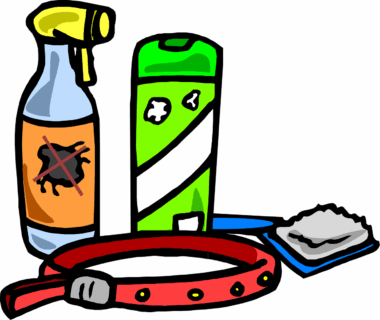
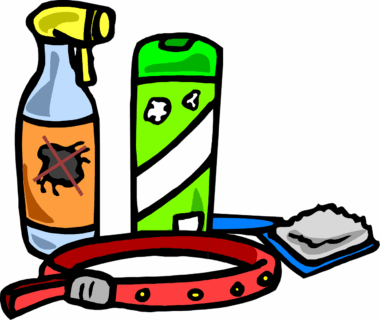
Parasite control products can be classified into several categories, including preventatives, treatments, and environmental control measures. Preventative measures are often utilized before infestations occur. These include topical treatments and collars specifically designed to repel and kill parasites. Treatments typically target existing infestations, removing parasites from your dog’s body. Some options include tablets and topical treatments which provide fast-acting relief. Environmental control measures can involve cleaning your home and yard to eliminate parasite habitats. Flea and tick sprays for your yard or home can be beneficial in reducing pest populations that threaten your pets. Understanding the differences ensures that you choose the most effective strategy for your dog and household. For instance, if your dog is frequently outdoors, strong preventative measures should be a priority. Always opt for products that are not only effective but also safe for your pet and family. Integrating these methods into a comprehensive parasite management strategy will make a substantial difference in keeping your dog free from potential harm caused by pests. Awareness of the various products and their functions is crucial for success.
Another vital aspect of parasite control is the timing and frequency of treatments. Different parasites have specific life cycles, which may necessitate varied treatment protocols. For example, fleas may require consistent treatment every month, while some intestinal worms may only need administering dog wormer bi-annually or annually. It’s essential to synchronize treatments with the specific life cycles of the parasites affecting your dog, thereby maximizing their efficacy. Consult your veterinarian for advice on when to begin treatment and how often to repeat it. Regular follow-ups and check-ups can help in adjusting treatment schedules as needed, ensuring you are effectively combating parasite infestations. Seasonal adjustments might be necessary, depending on your area and the prevalent parasites. Understanding the environmental factors in your area can guide your application and maintenance schedule. Continuously monitoring your dog for signs of new infestations or adverse reactions to treatments is equally necessary. Staying proactive in managing your dog’s parasite control will ultimately lead to more effective strategies and a healthier pet.
When choosing a product, check the ingredient list carefully. Some dogs can have adverse reactions to specific chemicals, so it’s essential to verify compatibility with your pet’s health profile. Natural alternatives are gaining popularity among dog owners seeking safer, holistic options. Products containing ingredients like diatomaceous earth, nematodes, or essential oils may provide effective control for some dogs. However, discussions with your veterinarian are vital to ensure these treatments are safe against your dog’s individual needs and health conditions. Additionally, effectiveness can vary based on the severity of the infestation and the type of parasite. Those severely affected often require immediate attention with potent products, while mild cases may benefit from gradual approaches. Transitioning to a different product should be done with caution to prevent any health complications. Always observe your dog after treatment for any adverse reactions. Documenting changes in behavior or physical response can provide essential feedback for future parasite management decisions. Ultimately, a well-informed approach will facilitate optimal health for your furry friend.
Complementary Practices to Enhance Parasite Control
In conjunction with selecting suitable parasite products, incorporating a routine grooming practice is essential. Regular grooming helps in identifying potential infestations and enables early intervention. Brushing your dog can help remove loose fur, dirt, and any parasites that may be hiding. Bathing your dog with an appropriate shampoo is also beneficial, especially for dogs prone to fleas and ticks. Utilizing flea combs can specifically assist in removing fleas and eggs that might otherwise be missed. Pay close attention to the common areas where these pests tend to congregate, such as around the ears, base of the tail, and underarms. Creating a hygiene routine that includes grooming, bathing, and frequent cleaning of their living environment will significantly enhance your parasite control strategy. Ensuring your dog also has a clean living area will reduce the risk of reinfestation. Regularly vacuuming and washing pet bedding can help eliminate larvae and egg populations. The more thorough and consistent the routine, the more effective your long-term management strategy will be.
Besides topical and oral treatments, consider vaccination options. Some parasites can be prevented through vaccines, significantly reducing the risk of severe infections. Vaccines for parasites such as Lyme disease and Leptospirosis are available, depending on your dog’s risk factors and environmental exposure. Your veterinarian can help determine which vaccines your dog requires based on lifestyle and geographical areas. Educating yourself about the potential diseases caused by parasites and understanding your dog’s specific risks is key to effective prevention. Future outbreaks can be minimized through timely vaccinations and consistent preventive care. Discuss with your vet any concerns regarding the safety and effectiveness of vaccinations. Also, make sure your dog receives regular check-ups and screenings to catch any health issues early, including parasite infections. Being proactive in vaccinations alongside parasite control treatments creates a more comprehensive health strategy for your dog. Ultimately, the combination of vaccinations, routine check-ups, and parasite control products will offer your dog the best care possible.
Evaluating Effectiveness and Making Adjustments
Monitoring the effectiveness of chosen parasite control products is a critical part of managing your dog’s long-term health. Keep an eye on your dog for observed changes post-treatment, such as reductions in itching, scratching, and other parasite-related behaviors. Document any adverse reactions or side effects you notice, as this can inform future decisions or potential product changes. Furthermore, ongoing evaluation allows for the identification of new parasite threats. If your dog continues to exhibit signs of pest problems despite using specific products, reassessing your choices may be necessary. Engage with your veterinarian to discuss findings and any concerns regarding parasite management. Updated recommendations will reflect your dog’s evolving needs and environmental factors impacting parasite exposure. The right approach often involves a willingness to adapt based on experiences with various products and outcomes. Since different dogs may react differently to treatments, finding a balance that supports both effectiveness and safety is essential. An ongoing commitment to evaluating and adjusting your strategies will ensure optimal care and protection for your beloved pet.
Finally, building a habit of regular communication with your veterinarian can greatly enhance your ability to manage parasites effectively. Share any observations about your dog’s behavior, health status, and response to treatments during visits. This communication enables veterinarians to provide tailored advice and support based on your dog’s specific circumstances. Additionally, staying up to date about the latest parasite threats in your region and emerging products can empower your decision-making. Regular discussions may also address your concerns regarding product efficacy and safety. Always be proactive in seeking clarification on any treatment recommendations. Education regarding parasites and the most effective control products is continuously evolving. Networking with fellow dog owners and participating in pet health workshops can provide supplementary information on best practices. Building community knowledge can lead to more informed decisions and better overall health for all dogs involved. In conclusion, an effective long-term parasite management strategy requires proactive measures, informed choices, and continuous evaluation. By integrating these elements into your care routine, you will foster a safe environment for your dog against harmful parasites.