
Incorporating Puzzle Feeders into Training for Cognitive Stimulation
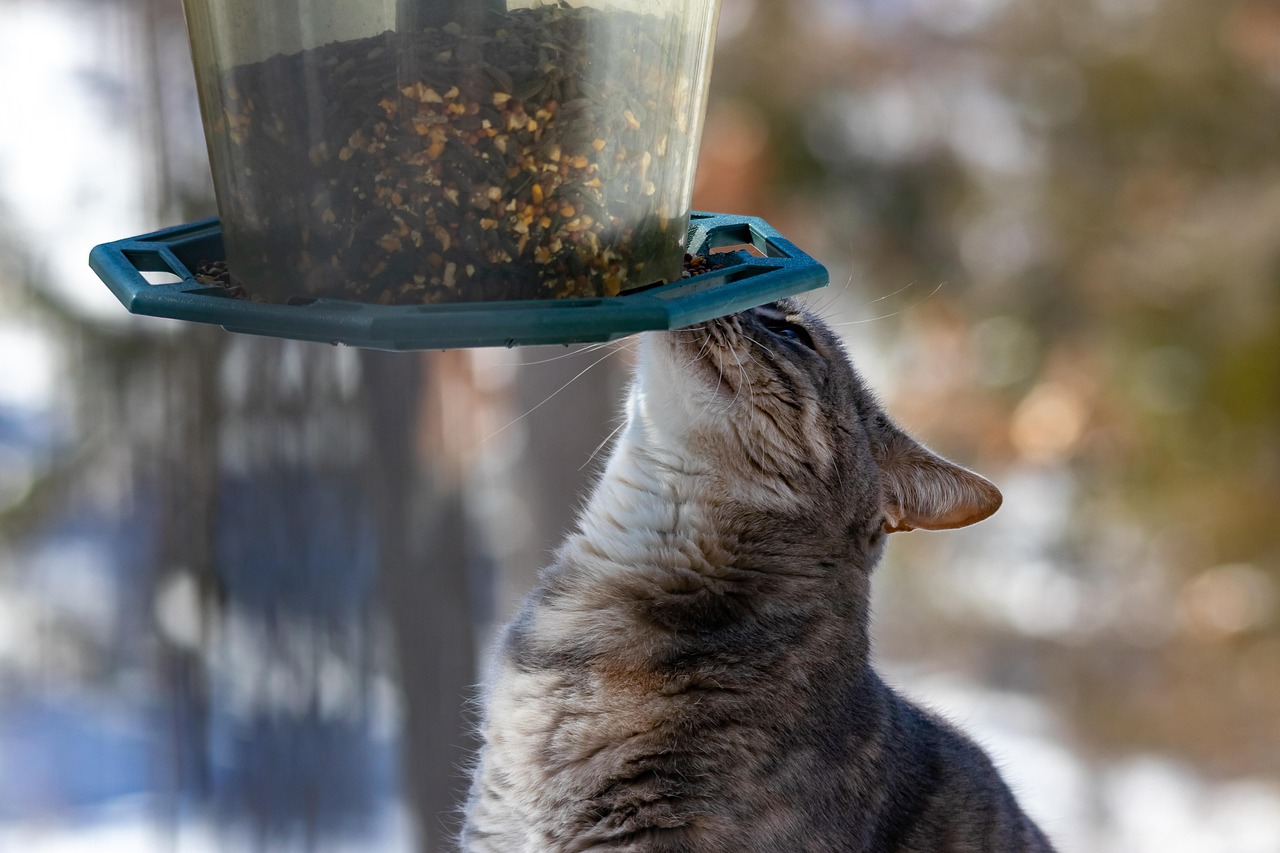
Training cats for better mental health is crucial for their overall well-being. One of the most effective methods involves the use of puzzle feeders. These feeders stimulate a cat’s mind by encouraging them to think and problem-solve. Cats have natural hunting instincts, and puzzle feeders recreate that environment. By making mealtime a challenge, you can help reduce boredom, anxiety, and other behavioral issues. Such enrichment promotes a positive mental state in cats. Puzzle feeders come in various designs, catering to different skill levels and preferences. As you introduce your cat to this concept, start with simpler feeders to ensure they understand the mechanism. Gradually, you can increase the difficulty level as your cat becomes more proficient. Regular use of puzzle feeders not only breaks the monotony but also encourages physical activity. It’s essential to supervise your cat during their initial encounters with these feeders to ensure safety and engagement. In time, they’ll learn to associate mealtime with fun and stimulation, ultimately leading to improved mental health.
The benefits of puzzle feeders extend beyond mental engagement. These devices can help regulate eating habits, which is important for maintaining a healthy weight. Obesity in cats can lead to numerous health problems, affecting their quality of life. By incorporating puzzle feeders, you’re not only providing mental stimulation, but you’re also promoting healthier eating behaviors. This combination helps prevent overeating and encourages your cat to eat more slowly. Eating too quickly can lead to digestive issues, which are common in indoor cats. Puzzle feeders encourage cats to work for their food, mimic their natural hunting behavior, and require them to think critically to succeed. This activity reduces the risk of obesity and its associated health risks. Additionally, puzzle feeders can enhance the bond between you and your cat. Spending time teaching them how to use these feeders contributes to positive interactions. It’s essential to choose puzzle feeders made from safe and durable materials. You can even create DIY puzzle feeders using objects around the house, ensuring a fun and creative experience for your feline friend.
Choosing the Right Puzzle Feeder
Selecting the right puzzle feeder is vital for maximizing benefits. Cats have different skill levels, and understanding your pet’s capabilities will guide your choice. Start with easy options for beginners, ensuring your cat feels successful and motivated. Consider feeders that offer adjustable difficulty settings, allowing you to increase complexity as your cat improves. The material is also essential; look for durable, non-toxic materials. Easy cleaning is a must to maintain hygiene while avoiding mold buildup. Ensure the puzzle feeder is designed specifically for cats and suitable for their size. Some puzzle feeders are designed to hold dry food only, while others can accommodate wet food. Test different types of feeders to gauge your cat’s interest and abilities. Some cats may prefer treat-release toys, while others might enjoy feed-dispensing puzzles. Observing your cat while using these devices will provide insight into what engages them the most. This experimentation can also be entertaining for you as a cat parent. The process of trial and error is part of enriching your cat’s life through creative feeding solutions.
Another critical aspect of using puzzle feeders effectively is the introduction phase. Start by allowing your cat to explore and familiarize themselves with the puzzle feeder without pressure. Fill the feeder with your cat’s favorite treats or a small amount of their regular food to entice them. This positive initial experience can enhance their willingness to engage with the feeder in the long term. Gradually increase the difficulty as your cat learns how to extract the food. It’s essential not to rush this learning process, as each cat has unique learning curves. Providing encouragement, praise, and even treats when they succeed can reinforce positive behavior. Regular use of these feeders will help develop not just their problem-solving skills, but also their patience and persistence. Incorporating puzzle feeders into daily routines can become a bonding experience, as feeding time evolves into playtime. You may find that your cat becomes more observant and curious in general, leading to improved behavior overall. Always be patient and adjust feeding techniques based on your cat’s needs.
Monitoring Your Cat’s Progress
Monitoring your cat’s progress is essential to ensure the puzzle feeders are achieving their intended goals. Regularly observe how your cat interacts with the feeder. Are they becoming more adept at solving the puzzles? You can also track if they’re showing reduced anxiety and improved behavior over time. Maintaining a journal can help document their development and establish any changes in their eating habits, activity levels, and overall mood. Engaging with your cat during these activities fosters stronger bonds. Offer encouragement while they engage with the puzzle feeder. If you notice your cat showing frustration instead of enjoyment, consider simplifying the challenge. Providing varied puzzles can maintain their interest and prevent boredom. Additionally, some cats may prefer certain types of puzzles over others. Being responsive to your cat’s preferences ensures that they remain engaged and excited. Keeping a flexible approach in your training will lead to a more successful outcome. Encourage your cat, maintaining a positive and fun atmosphere during these training sessions for a fulfilling experience for both you and your feline companion.
In addition to puzzle feeders, consider incorporating other forms of enrichment for your cat’s mental health. Variety is key in keeping your feline friend active and engaged. Rotating toys, introducing new activities, and even interactive play sessions can be extremely beneficial. Interactive toys, such as laser pointers or feather wands, can stimulate physical activity while also providing mental challenges. Combine this with puzzle feeders for a comprehensive approach to cognitive enrichment. It’s crucial to continually assess what your cat enjoys and adapt the methods you use. Some cats may respond better to specific toys or activities based on their personality. Observing their preferences allows for a more tailored approach. Remember to engage your cat in short, frequent intervals of play and training to prevent fatigue. Mental exhaustion can be just as significant as physical fatigue. A well-rounded routine combining various forms of stimulation will contribute to improved mental health. Encouraging a healthy balance of physical, social, and mental activities enables your cat to thrive in their environment, fulfilling their natural instincts.
Conclusion: Enhancing Your Cat’s Life
By incorporating puzzle feeders and various enrichment methods into your cat’s routine, you’re taking significant steps toward enhancing their mental health. This proactive approach enables them to lead happier, healthier lives while maintaining an engaging environment. Remember that every cat is unique, and tailoring activities to their preferences can lead to remarkable improvements in their well-being. This effort will reduce behavioral issues and promote better physical health through regular activity. Mental stimulation is crucial for preventing boredom and the development of stress-related behaviors. As you explore puzzle feeders and other enrichment activities, stay patient and flexible. Engaging with your cat in play fosters a bond that enhances the learning experience. Your effort can lead to a more fulfilled and content feline companion over time. Consider consulting with a veterinarian if you have concerns about your cat’s overall mental health. Ultimately, your commitment to understanding and nurturing their needs will pave the way for a stronger, happier relationship with your furry friend.