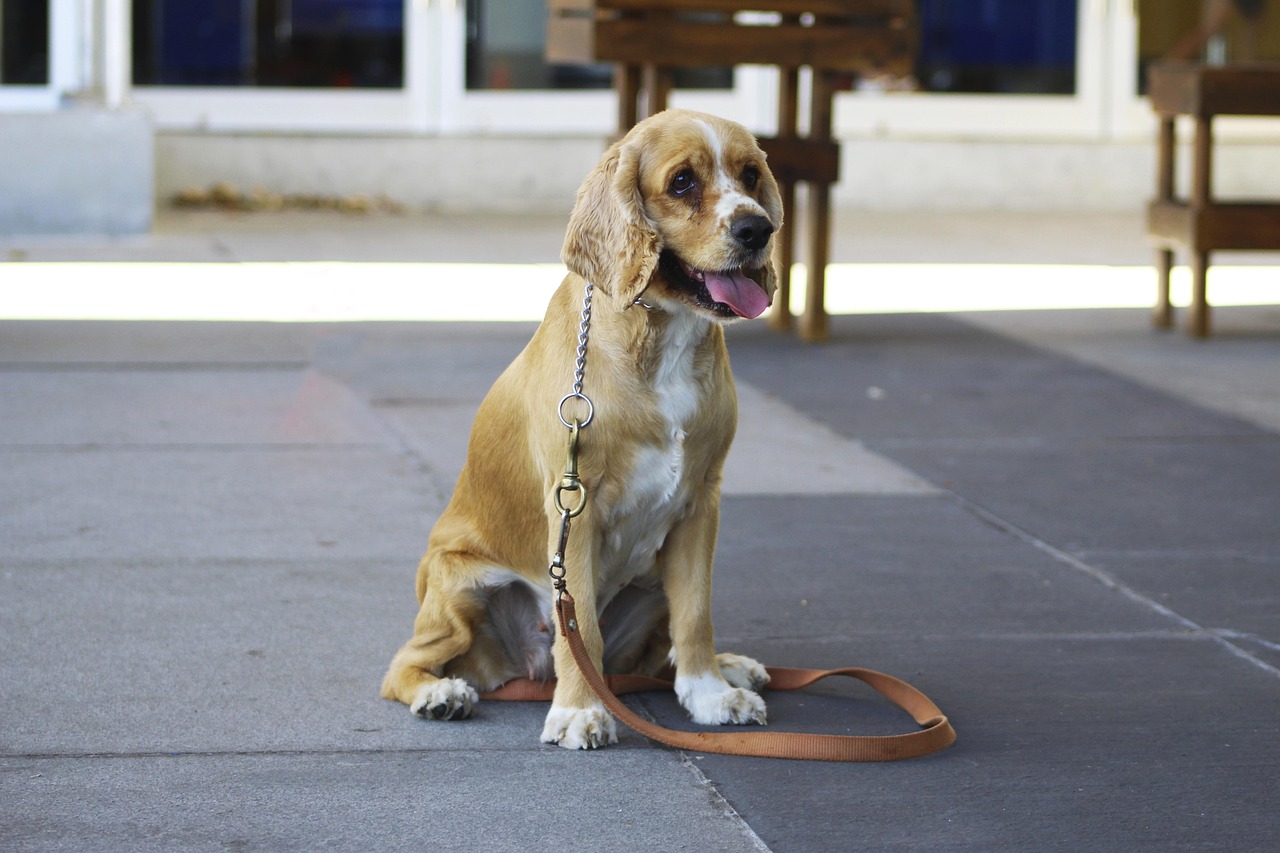

The Importance of Patience and Persistence in Dog Training
Training a dog can be one of the most rewarding experiences for a pet owner. However, it requires significant effort, dedication, and, importantly, patience. Dogs, like humans, learn at their own pace. Each dog has unique characteristics, capabilities, and behaviors that influence how they respond to training. Consistent training routines, paired with a loving approach, instill confidence in your pet. It helps them understand what is expected. Patience is necessary to navigate misunderstandings and challenges during this process. Without it, dog training can become frustrating, leading to ineffective results or causing stress for both the dog and the owner. Persistence plays a crucial role in dog training as well. With time, you will likely face setbacks or challenging behaviors. These moments serve as tests of your dedication and resolve. Being persistent encourages your dog to keep learning and improving their behaviors. A strong bond built on trust and respect is vital for a successful training relationship. Remember, the journey of training is as important as the results. Embrace the learning process and celebrate small victories along the way as you and your dog grow together.
The relationship between a dog and their owner deepens greatly through patient and persistent training practices. Initially, it may feel overwhelming as you learn to communicate through commands and positive reinforcement techniques effectively. Training your dog not only instills obedience but also fosters mutual respect and understanding. Dogs become more responsive to commands when they are given in a calm and positive manner. Employing patience means allowing your dog to process information and learn at their own speed. If a particular behavior or command feels challenging for them, consider adjusting your approach or providing more encouragement. Every dog has individual learning styles, which makes it imperative to tailor your training methods accordingly. Simple commands, consistency, and routine will greatly enhance their learning process. The power of persistence cannot be understated either. Training takes continuous effort, and the results may not be immediate. Consistent practice over time leads to lasting behavior changes. Each successful training session builds further energy and confidence. This reinforces the positive behavioral changes. Always remember to reward your dog promptly. Positive reinforcement fosters enthusiasm for learning, and your dog will strive to impress you.
Incorporating patience and persistence into dog training involves understanding your dog’s behavior patterns. Recognizing when they are struggling during training allows you to adjust techniques accordingly. When you notice frustration in your dog, take a step back, and give them time to relax. Sometimes, a short break can help reinforce what they have previously learned. Dogs thrive on structure, guidance, and encouragement during training sessions. Regularly evaluate how your training sessions are going. If there are consistent roadblocks or misunderstandings, it may be time to consult with dog trainers who can provide expertise. Finding the right balance between discipline and affection is essential for effective training. It keeps the learning environment friendly and focused. Additionally, incorporating fun into training can keep your dog motivated. Utilize playtime as a reward system for their efforts. A game of fetch or a favorite toy can make training not only educational but enjoyable for your dog as well. This mixed approach strengthens the bond between you both. Remember that the goal of dog training is not perfection but growth. Every session should bring new experiences, learning opportunities, and a deeper understanding of one another.
Strategies for Successful Dog Training
Implementing various strategies can enhance your dog training experience significantly. Start by establishing a routine that includes regular training sessions, walking, and playtime. Puppies, especially, benefit from structured environments that enable them to learn new skills and behaviors systematically. Short training sessions are often more effective; keeping them under 15 minutes helps hold your dog’s attention. Focus on one command at a time instead of overwhelming them with multiple tasks. This approach permits you to build a strong command foundation and ensures your dog understands what is being asked. Remember that consistency is vital; always use the same cue for the same command or behavior to avoid confusion. Next, consider the importance of timing. As a trainer, rewarding your dog immediately after they perform the desired behavior reinforces a positive connection. Praise is an excellent motivator in training. Additionally, it provides a sense of accomplishment for your dog. Training is more effective when it is enjoyable; incorporating treats, toys, and exciting praise can improve your dog’s enthusiasm. Make training an enjoyable experience for both you and your dog. Focus on celebrating the small wins that lead to bigger successes.
One of the greatest aspects of dog training is the opportunity it provides for socialization. Taking your dog to various environments helps them learn to adapt to new situations and experiences. This exposure also builds confidence and reduces potential behavioral issues such as anxiety or aggression. Patiently introduce them to different stimuli, individuals, and dogs gradually. This can make them well-rounded companions. Group training classes also offer fantastic socialization opportunities for your dog. They allow dogs to interact with their peers in a controlled atmosphere. You gain valuable experience as you observe how other owners manage their dogs. A skilled instructor can provide essential tips for working through any challenges your pet may face. Always remember that practicing patience during the socialization process is crucial. Dogs can become easily overwhelmed by unfamiliar sights and sounds. Therefore, you should at first allow them to acclimate gently. Supportive interactions during training sessions can lead to improved behavior. Never forget the significance of remaining calm when faced with unexpected challenges. Your emotional response can greatly influence your dog’s behavior. Celebrate their successes while remaining understanding about their struggles in the process.
Tracking your dog’s progress during training is essential, too. Keeping records of the commands they are learning and the challenges they face can help you adjust your methods as needed. Use these notes as a reference to monitor growth and identify patterns in your dog’s learning tendencies. This can aid both in recognizing strengths and in addressing weak spots early on. Besides, it will also be motivating for you to see the progress your dog has made. Sharing these accomplishments with family and friends can create a supportive social environment around your training activities. When training becomes a community effort, it not only strengthens your resolve but also creates lasting bonds between you and your dog. Consistency in tracking and reflecting upon your training sessions enables better decision-making for future sessions. It keeps your focus on continued improvement and adapting to changing needs throughout. As your dog matures, you may discover that previous training approaches need modification or adaptation. As a pet owner, your commitment to growth and training reflects positively in your dog’s behavior. Enjoy the journey and stay dedicated, knowing that your patience and persistence will pay off greatly.
Conclusion on Dog Training
Ultimately, the journey of dog training is a testament to the power of patience and persistence. Embracing challenges along the way helps you build a solid connection with your furry friend. Successful training leads to a well-behaved dog, and it deepens the affectionate bond between owners and pets. Remember that this process does not end with successful commands; it is an ongoing relationship built on understanding and trust. As your dog matures, you will witness the rewards of your efforts manifest in their behavior and demeanor. Forming a supportive environment during training can make all the difference. So, never underestimate the value of a positive attitude and unwavering commitment. The joy of training your dog can only be fully recognized when you witness their growth. Start with small goals, effectively utilize the right strategies, and celebrate their accomplishments without overlooking the importance of kindness and encouragement. If you face challenges, you are not alone; all dog owners go through similar periods. Seeking help from professionals or trainers can provide guidance. And most importantly, enjoy the process as the bond you create with your dog can truly transform both your lives.