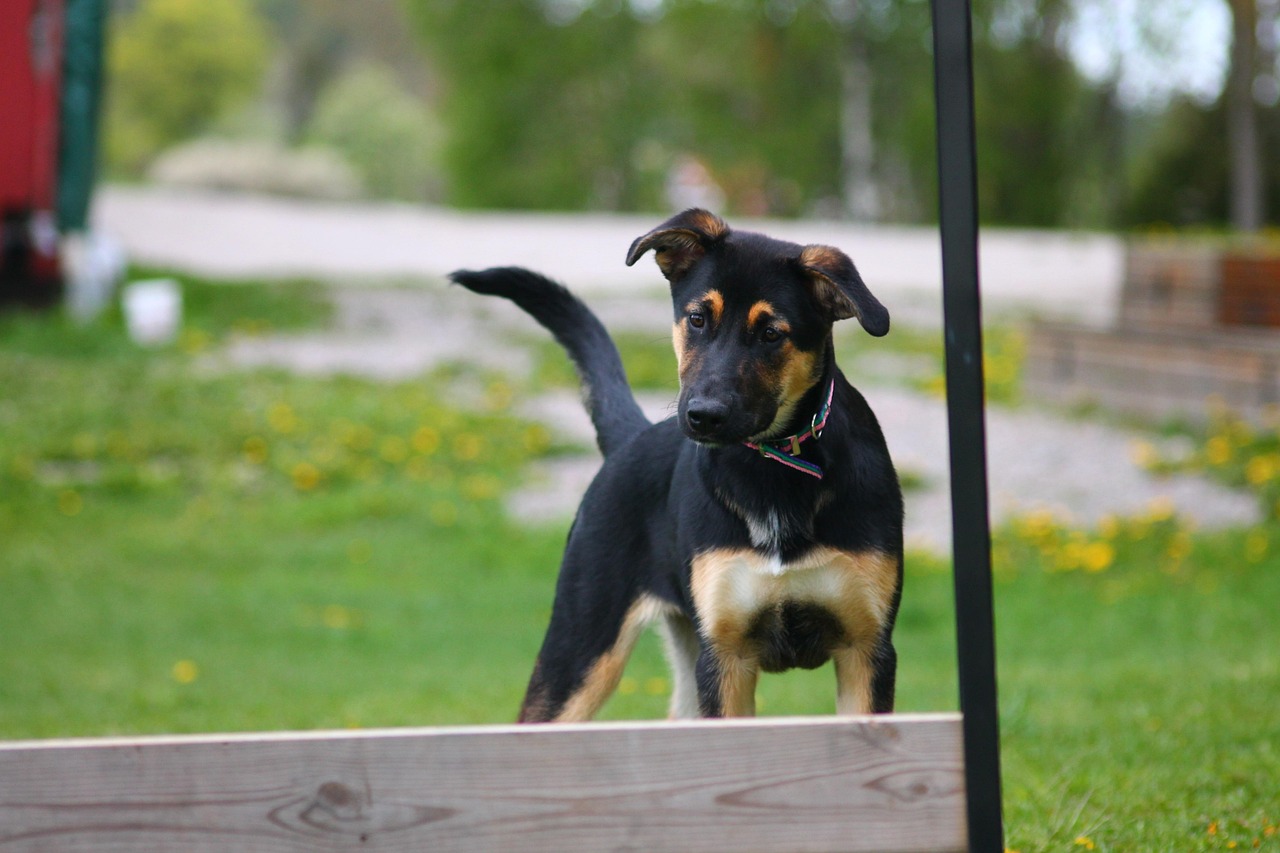

DIY Agility Course Ideas for Puppy Exercise
Creating a DIY agility course for your puppy can be a fun and rewarding project. This process not only encourages bonding between you and your furry friend but also helps in their physical and mental development. The first step is to identify a suitable location, preferably a spacious backyard or a park. Make sure the area is free from hazards, ensuring safety during playtime. You can use household items like cones, chairs, and broomsticks to create a variety of obstacles. Start with simple hurdles, followed by weave poles made from PVC pipes. Creating tunnels using cardboard boxes or fabric can also add some excitement. It is essential to ensure that the materials used are safe and sturdy enough to withstand energetic play. Alongside physical exercise, agility training aids in enhancing your puppy’s coordination and intelligence. Remember to keep training sessions short but frequent, allowing your puppy to learn without losing interest. Always reward them with treats or praise to make the experience enjoyable. Consistent practice will improve their skills and have them eagerly involved in agility courses.
As you design your agility course, you might consider incorporating a variety of obstacles to keep your puppy engaged. One effective way to do this is by setting up jump bars at different heights. You can create jumps using broomsticks placed across chairs, allowing gentle height adjustments as they improve their skills. Pay attention to your puppy’s size and abilities to set appropriate jump levels. Additionally, weaving poles can be erected in a straight line using tall cones or PVC pipes, encouraging them to navigate skillfully. The importance of using positive reinforcement during training cannot be overstated. Whenever your puppy successfully completes an obstacle, reward them with treats or verbal praise. It creates a positive association with the agility exercises, making them more likely to follow through. Moreover, regularly changing the course layout fosters continuous interest while challenging them. You can even invite friends and their dogs for a puppy playdate. This helps socialize your dog, making agility training a joyful experience while providing extensive opportunities for fun. Keep the activities varied, and don’t forget to monitor their fatigue levels for safe play sessions.
Utilizing Simple Household Items
In making your DIY agility course, utilizing simple household items can dramatically reduce your costs while simultaneously fostering creativity in design. Items like laundry baskets, cardboard boxes, and hula hoops can be tweaked to create various obstacles. You can use laundry baskets for tunnels or weave poles, guiding your puppy to dash through. A hula hoop, when held upright, serves as a jump through obstacle. Start by encouraging your puppy to jump through it, offering treats for motivation to build their confidence. Ensure all items are safe and secure, so your puppy won’t get injured during play. Additionally, build platforms using sturdy wood or crates. It helps in developing their climbing skills and an understanding of balance. Regularly assess each obstacle’s height and complexity to correspond with their development stages. Safety is paramount, as you adjust the agility course to meet your puppy’s various learning stages. Make sure they can safely navigate everything without fear. Put on some exciting tunes during training to keep the mood light, creating an atmosphere of joy alongside discipline.
Don’t forget the importance of creating a safe environment while training. Before starting any exercises, inspect the training area for potential hazards such as sharp objects or slippery surfaces. A smooth, even ground ensures your puppy can run without fear of falling. Design your agility course with safety in mind, using soft surfaces like grass or a sandy area to cushion any tumbles. Monitor your puppy’s energy levels closely, as fatigue can lead to accidents. Training should always be tailored to their physical capabilities, gradually increasing the difficulty as they grow stronger and more confident. Incorporate breaks into the exercises, offering water and rest periods to keep them hydrated. Moreover, start with brief training sessions of around 10-15 minutes, particularly for younger puppies. As they gain familiarity and expertise, you can slowly extend these sessions. Lastly, ensure your puppy is properly warmed up before starting agility training. This helps prevent injuries and prepares them mentally for the exercises. Engage in short walks or some light play before introducing the course to get their energy up while ensuring they stay healthy.
Incorporating Training Games
Training games can be wonderfully effective in enhancing your puppy’s agility training while fostering a sense of fun. Begin by integrating simple fetch exercises, placing obstacles strategically so they learn to navigate through their surroundings. This not only boosts their speed and agility, but also enriches their cognitive skills. Another game you can play is hide and seek, where you hide behind various obstacles and call your puppy to find you. This encourages them to think and navigate their environment strategically, reinforcing their bond with you as their owner. Furthermore, incorporate tug-of-war with appropriate toys, allowing them to exercise while having fun. Creative exercises foster energy management, aiding concentration and enthusiasm during agility training. Remember to keep sessions brief and light, as excessively long training can overwhelm them. Each game should be accompanied by positive reinforcement, celebrating every small achievement. The goal is to create memorable experiences alongside practical skills, empowering your puppy to enjoy the training process. Incorporating these games along with the agility course can lead to remarkable developments in their physical and mental performance.
Your puppy’s safety during their exercise regime should always take priority over anything else. Establish clear boundaries around the training area, so they remain focused and manageable. Avoid letting them roam freely, as distractions can lead to accidents or injuries. During training, reinforce commands such as “sit” or “stay” to teach self-control while navigating the obstacles. Consistently practicing commands will enhance their discipline and ensure they excel in their agility training. Invite friends or family to supervise playtime, providing additional support to keep your puppy focused and secure. Building a rapport with your puppy helps to improve their confidence during agility courses. Taking the time to establish trust will result in effective communication, allowing you to instruct them more intuitively. Additionally, the use of clicker training, if introduced effectively, can provide a structured methodology that further promotes understanding of commands. This is particularly useful for teaching complex maneuvers. Remember to be patient and adjust your training methods as needed, ensuring your puppy feels comfortable and secure throughout the entire process.
Benefits of a DIY Agility Course
Finally, establishing a DIY agility course for your puppy opens up pathways to numerous benefits. Firstly, it enhances your puppy’s physical fitness. Regular agility training stimulates their muscles while encouraging cardiovascular fitness. As they navigate various obstacles, they build strength, coordination, and motor skills, increasing their overall agility. Mentally, agility courses serve as stimulants for your puppy’s mind. Learning to navigate through new challenges encourages critical thinking, enhancing their intelligence and problem-solving skills over time. Besides that, agility courses foster social skills, especially when multiple pets are involved during training. Puppies learn to engage effectively, paving the way for lasting friendships. Lastly, training sessions strengthen the bond between you and your furry friend. Positive interactions during exercises create an opportunity for shared experiences, resulting in defined trust and affection. So take some time this weekend to set up a DIY agility course. Your puppy will love it, and you’ll enjoy watching them develop their skills while having a blast. Remember, consistent practice coupled with love and patience enables significant growth in your puppy’s abilities.
Ultimately, patience and encouragement are key elements in your puppy’s agility training journey. Building a successful course doesn’t happen overnight, and it’s essential to celebrate small victories each step of the way. As they become more familiar with the obstacles, you will notice improvement in their confidence and enthusiasm for training. Utilizing creativity when establishing your course can lead to a unique experience for both you and your puppy. One of the important aspects of training is maintaining a positive atmosphere. Incorporating playtime alongside training can make learning to navigate the agility course enjoyable and engaging. It is crucial to ensure that your puppy is always having fun, as this will keep them motivated to participate. Their innate curiosity will lead to exploring and mastering each challenge presented. Regular reviews of their progress can help adapt the course to their growing abilities, ensuring it remains stimulating. With dedication and innovative thinking, your DIY agility course can become an exceptional space for exercise, learning, and fun. Providing each session with love and encouragement will be immensely beneficial to their growth.