
Top 10 Tips for Editing Dog Photos Like a Pro
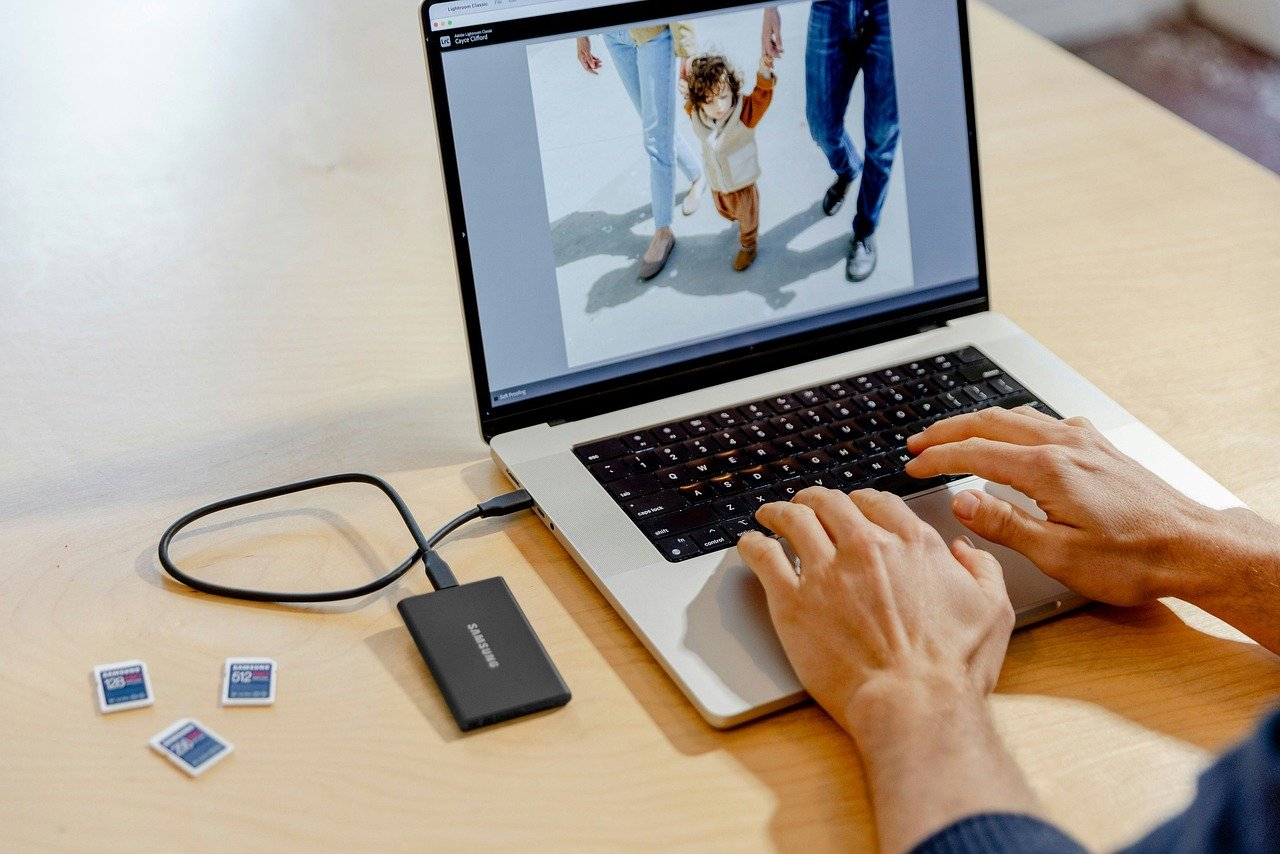
Editing dog photos can elevate your images from good to spectacular. First, you want to understand basic image editing software fundamentals. Programs like Adobe Lightroom and Photoshop are incredibly powerful. They allow detailed adjustments to color, exposure, and sharpness. When you dive into editing, focus on enhancing the dog’s natural colors. Don’t overdo it; lessen saturation where needed to keep a natural look. Always assess the image composition as well; use tools that let you crop and align effectively. Next, utilize filters wisely; some can emphasize your dog’s charm. Avoid heavy filters that alter the overall feel of your photo. Adjust brightness and contrast to make your images pop without making them look unrealistic. Consider the background; if distractions exist, blur them or remove them for a cleaner feel. Learning to adjust clarity and sharpening will enhance the fur detail. So dive into your software, experiment, and don’t hesitate to use tutorials to refine your skills. Practice is essential, and regular edits will continually improve your ability to create captivating dog photos that stand out in any album.
Lighting plays a crucial role in photography and editing. When taking your dog’s photos, natural light can dramatically enhance image quality. If you’re photographing outdoors, early morning or late afternoon gives the best soft light. Once you have your images, assess their exposure. If your shots are under or overexposed, use editing tools to balance them. Adjust the highlights and shadows to bring out the details. Experimenting with the white balance can correct color imbalances caused by different lighting conditions. Recognize that editing isn’t merely about correction; it’s a form of art. Take your time exploring various effects and adjustments. Remember, the goal is to make your dog look its best while still being true to its personality. Each dog has unique colors and features, which deserve showcasing. Creating a style can be fun, whether more vibrant and bright or soft and subtle. And don’t shy away from using presets; they can significantly speed up your workflow. With these tips in mind, you’ll develop a skill set that leads to beautiful dog photography that you and your clients will cherish.
Advanced Editing Techniques to Explore
Once you master basic adjustments, exploring advanced editing techniques can take your dog photography to new heights. Consider using layers for more controlled editing. Layers allow you to edit specific parts of an image without affecting the whole picture. This technique is perfect for fine-tuning areas like the dog’s eyes or fur texture. Another method involves using the clone tool for fixing minor blemishes or distractions in your background. Masking tools can also enhance specific areas like emphasizing your dog’s coat or fur. Always keep a backup of your original image. This backup allows for experimentation without fear of losing your original work. Understanding histogram graphs in editing can help you get precise adjustments for contrast and exposure. Aim for a balanced histogram that captures rich blacks, mid-tones, and bright whites. Incorporating blending modes enhances creative edits, allowing overlays and textures that enhance the feeling of the image. Explore how different adjustments work in harmony with the image’s tone to guide a successful final product. The more you experiment with these techniques, the better your edits will become, showcasing your dog’s unique character dramatically.
Besides technical aspects, consider the emotional resonance of your photos. Capturing your dog’s personality can bring an image to life. Look for unique expressions, actions, or interactions that showcase who they are. Use editing to enhance emotions—sharpening a joyful moment or softening a calm pose can communicate a feeling. Color grading adds an emotional layer to your photo; warm tones can evoke comfort, while cooler tones can create a sense of calm or serenity. Make sure your edits don’t overshadow the subject but rather enhance their story. Composition techniques like the rule of thirds help guide an emotional narrative by placing critical elements at intersections. Don’t forget to include playful elements or props in your photos, as they often show your dog’s fun side. At times, candid shots capture reality’s charm, creating priceless memories. Remember that storytelling is a vital aspect of photography, shaping how your audience connects with the image. Experimenting with different styles and concepts, paired with your editing skills, can produce stunning photos that resonate with viewers profoundly.
Creating Cohesive Photo Sets
If your goal is to share a collection of dog photos, creating a cohesive set is vital. Cohesion helps ensure that each image complements the others, whether for social media, albums, or contests. Begin by understanding your theme; a series based on seasons could guide your edits towards seasonal colors. Adjust your images’ brightness, contrast, and saturation similarly across the set for a unified look. This uniformity can be adjusted through batch processing in editing software. Additionally, consistent use of filters can foster a recognizable style. Aim for images that show similar angles or perspectives; this technique can strengthen your narrative. Consider varying your layouts for series presentations to keep them engaging while maintaining thematic links. Collaborating with your pet poses or backgrounds can also foster creativity, creating beautiful visual storytelling. Finally, presenting your images in a creative format helps maintain viewer interest. Each photo within the set should evoke curiosity, encouraging viewers to absorb your dog’s unique personality in each frame. It all becomes an artistic journey that showcases the bond between you and your furry companion.
Don’t forget about the significance of organization in your editing workflow. An organized photo library saves time, allowing quick access to your images for editing. Create folders based on dates or sessions to find files easily. Use tagging systems to mark favorite shots and identify which images are ready for editing. Importantly, regularly back up your photo library to preserve your hard work. Creating a consistent naming structure for images can help locate photos more quickly. Once editing begins, take control of your workflow by creating a checklist of adjustments for each photo. Familiarize yourself with each step to develop a rhythm and efficiency in your edits. Additionally, keep an eye on the small details that elevate your images. After you finish editing, take a break and revisit your photos with fresh eyes. This approach often reveals areas needing further adjustments or enhancements. Staying organized throughout will ultimately yield better results and make your editing process more enjoyable. This structured approach keeps you focused while allowing creativity to flourish as you edit your dog photos.
The Final Touches – Exporting Wisely
After diligently editing your dog photos, the final steps are just as crucial as the editing process. Export settings can significantly impact the final quality of your photos. Understand the suitable file formats for your intended use; JPEGs are ideal for web, while TIFFs may be used for prints, retaining higher quality. When exporting for social media, navigate image resolutions and dimensions. Most platforms have specific size requirements, so ensure your images are appropriately sized to avoid compression. Carefully analyze color profiles to maintain consistent colors across devices. Adjusting image quality settings judiciously helps prevent pixelation. While exporting, it’s wise to use watermarks for protection when showcasing online while still ensuring they don’t detract from the image quality. Before uploading or sharing, review your final images to ensure all edits flowed seamlessly. Retain an accessible copy of your original edits, allowing for alterations in future applications. Sufficient preparation during this step guarantees your dog photos retain their stunning quality. Following these practices will reflect your dedication and professionalism in the dog photography realm and garner admiration from your audience.
As you continuously develop your editing skills, sharing your knowledge can contribute positively to the photography community. Consider creating blog posts, social media content, or even courses showcasing your editing techniques. Providing insight can help others learn and appreciate dog photography. Encouraging feedback within communities fosters growth and camaraderie, allowing you to connect with like-minded individuals. Always be open to new suggestions or tips on further enhancing your craft. Engaging with other photographers can inspire you as others share their experiences and techniques. Continuous learning is essential for personal development within the realm of photography. Witnessing different styles and approaches expands your creative horizons. Remember, every edit reflects your unique vision and creativity, enhancing how you capture your furry friends. The world of dog photography is vast, and dedication will continuously hone your skills over time and practice. With each new photo session and editing process, embrace the opportunity to improve and innovate your style. Unleash your creativity alongside your beloved pets, creating stunning visuals that speak to the heart of both the subjects and the viewers.